Udawalawe National Park Safari: Complete Traveler & Route Guide
Udawalawe National Park offers guaranteed wild elephant sightings year-round, making an Udawalawe elephant safari one of the most accessible wildlife experiences in Sri Lanka. Situated on the boundary between the Sabaragamuwa and Uva provinces, the park spans open grasslands, reservoir shorelines, and shrub woodland ideal for Asian elephants.
As of November 2026, Sri Lanka welcomes winter peak travelers with streamlined entry rules, including a free 30-day tourist ETA for nationals of 40 eligible countries (must be approved online prior to travel; check the official ETA portal for your nationality). Whether you arrive from Colombo, Ella, or southern beach towns like Mirissa and Tangalle, incorporating an Udawalawe safari into your private driver itinerary provides high-reward wildlife viewing without extreme travel distances.
At a Glance- Key Attraction: Herds of wild Asian elephants grazing near open reservoir banks and savanna plains.
- Best Safari Timing: Early morning (6:00 AM – 9:00 AM) for birdlife and cool air, or late afternoon (3:00 PM – 6:00 PM) for large herd gatherings.
- Location & Access: Typically 2 to 2.5 hours from Mirissa/Tangalle and about 2 hours from Ella by private tour vehicle.
- Ethical Highlight: Nearby Elephant Transit Home (ETH) provides non-contact rehabilitation for orphaned calves.
- Ideal Stay: 1 night near Udawalawe or a seamless day excursion between coast and hill country.
Udawalawe National Park was created in 1972 to safeguard wildlife displaced by the construction of the Udawalawe Reservoir on the Walawe River. The 30,821-hectare sanctuary boasts an African-style savanna landscape featuring open parkland, tall grass, and scattered teak forests that make spotting wildlife remarkably effortless compared to dense jungle habitats.
1. Open Grassland Habitats and Easy Spotting
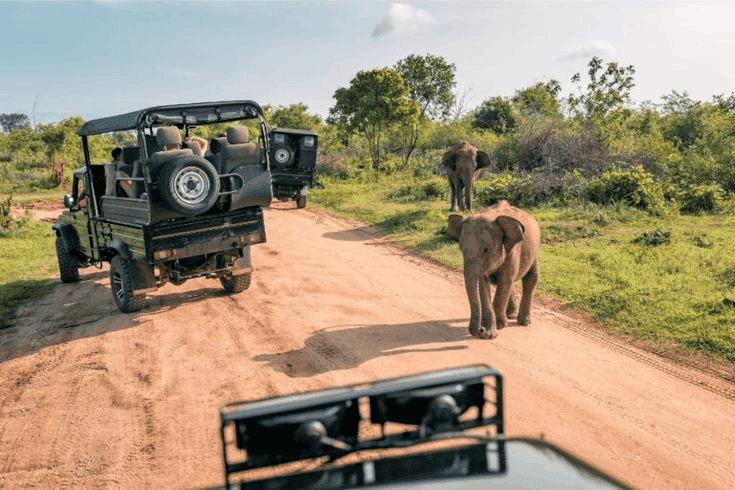
Unlike dense coastal thickets, Udawalawe’s open vegetation provides clear visibility across long distances. Herds can frequently be seen grazing in expansive fields right alongside main safari tracks, offering extraordinary viewing and photography opportunities for families and first-time safari goers.
2. Large Resident Population of Asian Elephants
An estimated 500 to 700 Asian elephants inhabit the sanctuary complex. Because water sources remain constant inside the park even during drier months, family groups containing matriarchs, young juveniles, and playful newborn calves stay within park boundaries year-round.
3. Rich Biodiversity Beyond Elephants
While Asian elephants are the headline species, Udawalawe is home to water buffalo, wild boar, spotted deer, jackals, mugger crocodiles, and water monitor lizards. Birdwatchers can spot over 180 avian species, including crested serpent eagles, changeable hawk-eagles, painted storks, and endemic Sri Lanka junglefowl.
Best Time of Day and Season for an Udawalawe Elephant SafariPlanning your safari around optimal daily cycles ensures active animal encounters and comfortable weather during your drive. As of November 2026, winter season travel from December through February offers warm, dry days across the southern and inland plains, creating prime conditions for safari drives.
Morning vs Afternoon Safaris: How to Choose
- Morning Safari (6:00 AM – 9:00 AM): Ideal for observing active feeding behavior, catching early sunlight across grasslands, and watching diverse raptors hunt along reservoir branches before temperature rises.
- Afternoon Safari (3:00 PM – 6:00 PM): The premier timeframe for peak afternoon feeding hours when large elephant herds gather around the reservoir edge to drink, bathe, and socialize.
- Full-Day Safari (6:00 AM – 6:00 PM): Recommended for photography enthusiasts wanting deep-park exploration, quiet trail tracks, and dynamic lighting conditions throughout the day.
Located just five minutes from the main national park entrance, the Udawalawe Elephant Transit Home (ETH) is a world-recognized conservation facility supported by the Sri Lanka Department of Wildlife Conservation. Founded in 1995, the transit home rescues orphaned, sick, or injured wild calves from across the island, providing medical care and rehabilitation until they are strong enough for wild release.
Unlike commercial animal camps, the ETH operates an ethical rehabilitation platform focused on minimal human contact. Visitors watch scheduled milk-feeding sessions from an elevated viewing platform located approximately 30 meters away from the calves. Feeding sessions typically take place four times daily (9:00 AM, 12:00 PM, 3:00 PM, and 6:00 PM), lasting about 30 minutes. Visiting ETH immediately before or after your park safari offers deep insight into Asian elephant conservation efforts in Sri Lanka.
Udawalawe vs Yala vs Wilpattu: Safari ComparisonChoosing the right national park depends on your trip priorities, route flow, and wildlife focus. While Yala is famous for leopards and Wilpattu for quiet forest lakes, Udawalawe leads the island for guaranteed elephant sightings in open terrain.
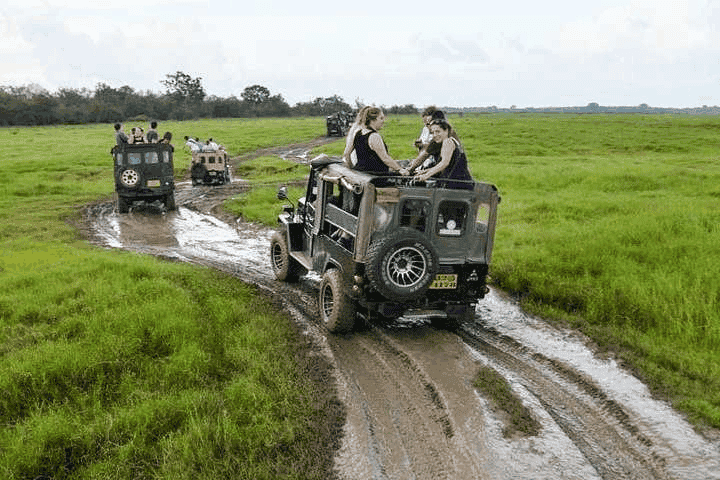
UdawalaweAsian Elephants, Water BirdsSavanna & ReservoirModerateMirissa / Tangalle to EllaYala (Block 1)Leopards, Sloth BearsCoastal Scrub & MonolithsHighTissamaharama / HambantotaWilpattuLeopards, Bears, DeerDense Jungle & Natural LakesLow to ModerateCultural Triangle to JaffnaUdawalawe (ETH)Orphaned Elephant CalvesRehabilitation CenterModerateUdawalawe Gate AccessHow to Hire a Safari Jeep and Plan Your VisitEntering Udawalawe National Park requires a heavy-duty four-wheel-drive safari jeep capable of navigating unpaved trail tracks, mud channels, and reservoir boundaries. Standard tourist cars or vans cannot enter park gates.
Safari jeeps seat up to six guests comfortably and feature elevated, open-air seating platforms. When organizing your tour, request a jeep equipped with a cushioned seating arrangement and a canvas pop-up shade top to protect against strong midday sun while keeping sightlines clear.
Local tip: Book a private safari jeep with a modified pop-up roof rather than standard bench seats, and ask your driver to enter the park right at opening time to beat queue lines and catch herds near open watering holes.
Travelers exploring Sri Lanka under the 30-day free tourist ETA initiative should carry printed or digital copies of their approved ETA clearance along with passports when purchasing park entrance permits at the main ticket office.
How to Route Udawalawe into Your Sri Lanka ItineraryUdawalawe's geographic location makes it a natural bridge between southern ocean beaches and the high-elevation tea plantations of the central hill country. Incorporating a safari into a private tour eliminates back-tracking and maximizes travel efficiency.
1. Southern Coast Connection (Galle, Mirissa, Tangalle)
From southern beach resorts, a morning drive to Udawalawe takes typically 2 to 2.5 hours. Guests can enjoy a 3:00 PM afternoon safari, stay overnight near the park, and proceed into the tea hills the following morning.
2. Hill Country Connection (Ella, Haputale, Nuwara Eliya)
Descending from Ella to Udawalawe takes approximately 1.5 to 2 hours via the scenic A23 highway. This route creates a smooth transition from mountain hiking trails to lowland wildlife safaris before reaching southern coastal hotels.
Plan It with Zephyra TravelsPlanning a seamless wildlife journey requires reliable private transfers, expert local safari drivers, and flexible timing tailored to your family or group preferences. At Zephyra Travels, our local guides and drivers coordinate all park permits, jeep bookings, and seamless private chauffeur routing across Sri Lanka's top parks.
Explore our handcrafted Sri Lanka tour packages to start designing your custom private itinerary with our local island experts today.