
The Definitive Wildlife Safari Yala Guide: Leopards, Zones, and Safari Etiquette
A wildlife safari in Yala offers travelers the highest probability in Asia of observing the elusive Sri Lankan leopard (Panthera pardus kotiya) in its wild habitat. Located along the sun-drenched southeastern coast of Sri Lanka, Yala National Park combines dense thorny scrubland, coastal lagoons, and open plains that host an exceptional concentration of apex predators, Asian elephants, sloth bears, and migratory waterbirds.
As of October 2026, international travelers are flocking back to Sri Lanka's wilderness circuits, with winter bookings surging ahead of the peak December to February holiday months. Whether you are an experienced wildlife photographer seeking golden hour encounters or a family hoping to introduce your children to wild Asian elephants, successfully navigating Yala requires insider timing, careful zone selection, and an ethical safari mindset.
At a Glance- Primary Highlight: Renowned for one of the densest wild leopard populations anywhere on Earth.
- Key Wildlife: Sri Lankan leopard, sloth bear, Asian elephant, mugger crocodile, spotted deer, and over 200 bird species.
- Best Time for Leopards: February to June during the dry season, though November through April provides prime birding and pleasant weather.
- Typical Game Drive Options: Half-day morning drives (6:00 AM to 10:00 AM), afternoon drives (2:30 PM to 6:00 PM), or full-day immersive safaris.
- Access Hub: Tissamaharama is the main staging town, situated roughly 30 minutes from the primary park gates.
Yala National Park is vast, spanning approximately 979 square kilometers across the Southern and Uva Provinces. The reserve is divided into five distinct operational blocks or zones, alongside adjacent protected reserves like Bundala and Lunugamvehera. However, only specific sectors are open to general public tourism, each serving very distinct travel styles.
1. Block 1 (Ruhuna) - Best for Classic Big Cat Sightings
Block 1 is the historical heart of Yala and holds the park's highest recorded leopard densities. Its varied geography—featuring iconic granite rock outcrops, natural waterholes, and coastal tracks—makes it the premier choice for first-time safari travelers. Because of its reputation, Block 1 experiences the highest vehicle congestion, particularly around morning sightings. Entering through the main Palatupana Gate early gives visitors the best chance of securing uninterrupted viewing before mid-day heat drives wildlife deep into the shade.
2. Block 5 - Best for Scenic Landscapes and Lower Crowds
Entered via the Katagamuwa Gate near Kataragama, Block 5 borders the scenic shores of the Manik River and pristine reservoirs. While leopard densities here are slightly lower than in Block 1, the experience is considerably more peaceful. Birdlife thrives along the riverbanks, and elephant herds are frequently encountered grazing peacefully by the water's edge without multiple jeeps competing for position.
3. Block 2 and Outer Buffer Zones - Best for Wilderness Enthusiasts
Requiring special access permits and seasonal clearance, Block 2 sits across the Kumbukkan Oya river. Its rugged trails appeal to travelers who prioritize untouched wilderness and bird photography over guaranteed cat sightings. Many travelers combine a morning in Block 1 with an afternoon exploring the buffer corridors bordering Lunugamvehera National Park.
The Best Time to Visit Yala for Wildlife ViewingWildlife viewing patterns in Yala depend closely on rainfall, waterhole levels, and the seasonal rhythm of the monsoons. Understanding these seasonal shifts helps avoid disappointment and ensures realistic expectations on the ground.
Local tip: "To avoid vehicle queues at the gate, always arrive at Palatupana by 5:30 AM with your identification ready. Morning leopards frequently warm themselves on coastal rock faces before 7:30 AM."
The dry season from February to July is historically the most rewarding window for predator tracking. As surface water in the park interior dries out, animals congregate around dwindling waterholes, dramatically increasing sighting frequencies. The months of May and June are particularly famous for sightings of sloth bears feeding on ripe Palu fruit.
Conversely, the northeast monsoon brings rain between late October and December, transforming the scrub into lush green woodland. While big cats disperse across wider territories during wet periods, migratory birds arrive in huge numbers, making November through February phenomenal for birdwatching enthusiasts.
Peak Dry SeasonFeb to JunExceptional for leopards & bearsModerate to HighPhotographers & Big Cat TrackersPark Maintenance ClosureSep to mid-OctBlock 1 typically closedLowExploring Block 5 & UdawalaweWinter MigrationNov to JanGreat for elephants & birdsHighHolidaymakers & BirdwatchersLate Summer WindowJul to AugReliable waterhole activityModerateFamily Summer VacationsNote that Block 1 usually closes for 4 to 6 weeks between September and mid-October for infrastructure maintenance and wildlife rehabilitation during the driest period of the year. Our local drivers and guides seamlessly redirect itineraries to alternative gates or neighboring reserves during this window.
What Animals Will You See on a Yala Wildlife Safari?While the leopard commands headline attention, Yala supports a diverse ecosystem often compared to leading African reserves. Keep your binoculars ready for these foundational species:
- The Sri Lankan Leopard: As the island's apex predator with no competing lions or hyenas, Yala's leopards show remarkably confident territorial behavior, often resting conspicuously on giant boulders or crossing main dirt roads.
- The Sloth Bear: Shaggy, reclusive, and solitary, the sloth bear (Melursus ursinus inornatus) is most active in the earliest daylight hours, tearing open termite mounds with elongated claws.
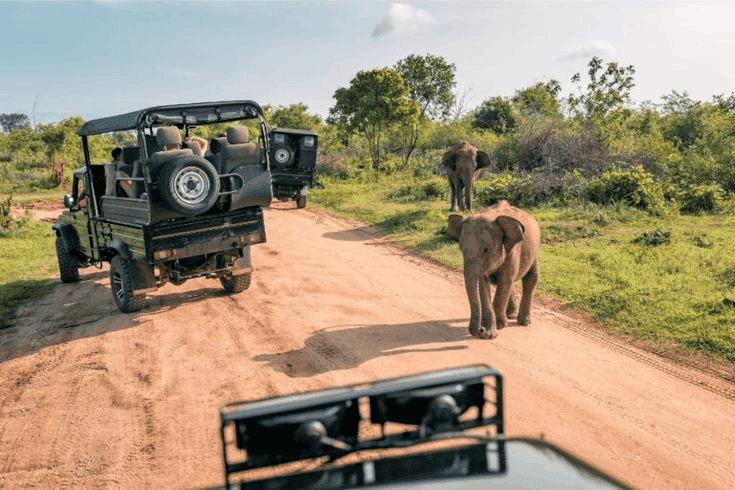
- Asian Elephants: Solitary bulls and small family herds wander freely between Yala's coastal lagoons and forested scrub, particularly during late afternoons.
- Reptiles and Crocodilians: Mugger crocodiles bask openly along the margins of coastal lagoons, alongside massive land monitors and rare python sightings.
- Avian Splendor: Crested serpent eagles, painted storks, white-bellied sea eagles, green bee-eaters, and migratory waders blanket the wetlands.
Choosing the right safari duration depends entirely on your endurance, photography focus, and travel party.
- Morning Safari (6:00 AM – 10:00 AM): Offers the crispest morning light, cooler temperatures, and the highest probability of spotting active predators heading back from nocturnal hunts.
- Afternoon Safari (2:30 PM – 6:00 PM): Superb for observing elephant herds drinking at waterholes and capturing golden hour light over the lagoons. However, mid-afternoon heat can keep leopards resting in dense thickets until late in the day.
- Full-Day Game Drive (6:00 AM – 6:00 PM): The ultimate commitment for dedicated wildlife enthusiasts. You remain inside the park throughout midday, resting at designated beach pavilions along the coastline while other jeeps exit. This maximizes your tracking window, but the prolonged rough driving can be physically demanding.
Responsible tourism preserves Yala's fragile ecosystem for future generations. As local operators, we strictly enforce ethical standards on every excursion. We encourage all visitors to observe these essential field rules:
- Never encourage off-roading: Keep your vehicle firmly on designated tracks to prevent soil compaction and habitat destruction.
- Maintain absolute silence: Whispering during sightings prevents distress to animals and increases the duration of your encounter.
- Never use flash photography: Flashes disorient wildlife and can provoke defensive reactions from elephants and mother leopards.
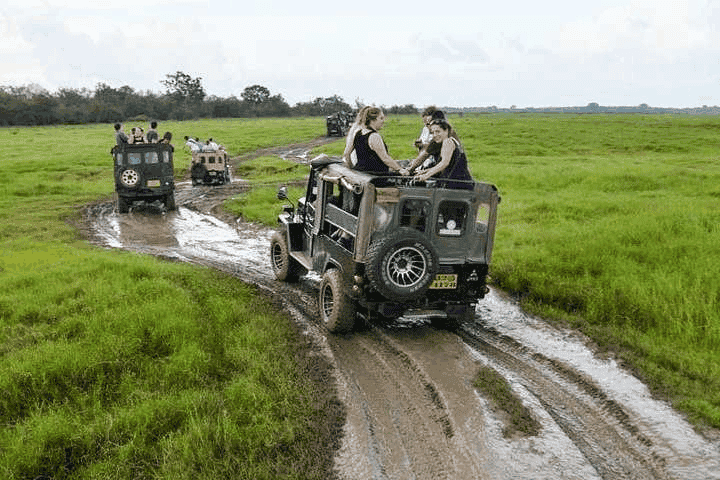
- Keep all limbs inside the vehicle: Specially modified 4x4 safari jeeps feature open sides for observation; leaning outward can startle wildlife.
- Pack strictly zero-waste: Single-use plastics are banned within the park boundaries. Carry a reusable water canister.
At Zephyra Travels, we believe an exceptional safari depends entirely on the caliber of your naturalist and driver. As part of Zephyra Group, our Colombo-based team pairs you with seasoned, licensed local drivers who understand animal tracking, wind direction, and ethical positioning rather than chasing crowds. We arrange customized 4x4 vehicles with raised tiered seating, ensuring unobstructed views and complete comfort across the rugged terrain of Yala.
Ready to experience the thrill of tracking leopards across the wild southern coast? Explore our curated private itineraries on our Sri Lanka tour packages page, or contact our local travel specialists to design your personalized wildlife journey today.