
Planning Your Sri Lankan Safari: Parks, Wildlife, and Seasons
Planning a Sri Lankan safari offers one of the densest wildlife experiences in Asia, putting you within close reach of leopards, Asian elephants, sloth bears, and blue whales on a single compact island. To make the most of your adventure, your park choice must match the time of year and the specific species you want to encounter.
Sri Lanka holds an exceptional position for naturalists and photographers because distinct regional weather patterns create peak game-viewing conditions across different reserves throughout the calendar year. Whether you are seeking the dramatic leopard concentrations of Yala, the gentle open plains of Udawalawe, or the tranquil forest tracks of Wilpattu, understanding local terrain and seasonality is the foundation of an unforgettable journey.
At a Glance- Top Leopard Encounters: Yala National Park (Block 1) and Wilpattu National Park feature the highest predator observation opportunities.
- Guaranteed Wild Elephants: Udawalawe National Park offers year-round sightings, while Minneriya hosts the world-renowned dry season gathering.
- Peak Winter Season: December to April brings calm waters for marine safaris and prime conditions across southern and western reserves.
- Protected Conservation Rules: Strict department regulations keep all visitors inside open-top 4x4 vehicles accompanied by registered tracker guides.
- Smart Logistics: Morning drives offer active birdlife and predatory hunting, while late afternoon drives provide dramatic lighting and watering hole visits.
Choosing the right safari reserve depends on the animals you prioritize, your overall travel route, and your tolerance for tourist vehicle density. Each conservation zone protects distinct habitats ranging from coastal thorn scrub to monsoon forests and freshwater reservoirs.
1. Yala National Park - Best for Big Cats and Coastal Scenery
Yala National Park remains the headline wildlife destination in Sri Lanka, celebrated for possessing one of the highest leopard densities on earth. Situated in the southeastern dry zone, Yala's dramatic rock outcrops, coastal lagoons, and open scrub facilitate relatively frequent sightings of the Sri Lankan leopard (Panthera pardus kotiya).
Beyond leopards, Yala delivers reliable encounters with mugger crocodiles, spotted deer, wild water buffalo, and vibrant waterbirds around coastal salt flats. Because of its global fame, vehicle tracks around popular sighting areas in Block 1 can get busy during peak months. Travelers looking for quieter trails often explore Block 5 or Katagamuwa sanctuary gates with a seasoned tracker.
2. Wilpattu National Park - Best for Dense Forest and Sloth Bears
Wilpattu is Sri Lanka's largest and oldest protected reserve, characterized by its picturesque "willus"—natural sand-rimmed water basins that collect rain and sustain wildlife. Located on the northwest coast, this park features dense dry-monsoon forest interspersed with serene open clearings.
Wilpattu is legendary for the reclusive Sri Lankan sloth bear (Melursus ursinus inornatus), especially when palu fruit ripens in early summer. Leopards here are often seen strolling calmly along wide red-sand tracks. The park offers an untamed, wilderness atmosphere where hours can pass without meeting another safari vehicle.
3. Udawalawe National Park - Best for Guaranteed Elephant Encounters
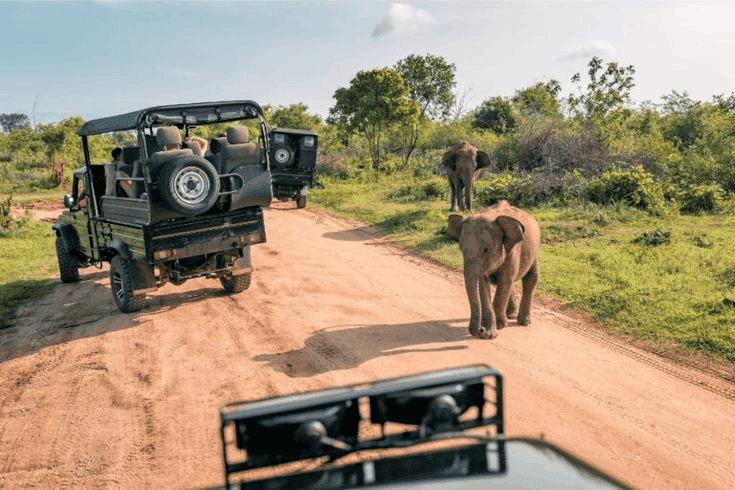
Udawalawe delivers an authentic savanna experience rivaling East Africa, centered around a vast reservoir flanked by distant hill-country mountain ridges. If observing herds of wild Asian elephants with newborn calves is your dream, Udawalawe is unmatched.
Because the terrain is dominated by tall grasses and scrub rather than dense forest canopy, visibility is outstanding. In addition to hundreds of resident elephants, Udawalawe is home to white-bellied sea eagles, crested serpent eagles, jackals, and vibrant monitor lizards.
4. Minneriya and Kaudulla - Best for the Great Elephant Gathering
Minneriya National Park, along with neighboring Kaudulla and Hurulu Eco Park, forms a vital ecological corridor in the North Central Province. During the dry months between July and October, the receding waters of ancient man-made reservoirs reveal lush fresh grassland.
This environmental shift triggers "The Gathering," where up to 300 wild elephants congregate on the exposed lake bed to feed, socialize, and bathe. Witnessing vast matriarchal families interacting on open plains is widely considered one of the great wildlife spectacles of the planet.
Park Comparison: Habitats, Signatures, and SeasonsSelecting your safari destination requires balancing focal species against regional weather windows. The table below outlines how Sri Lanka's premier wildlife parks compare:
YalaLeopards, Crocodiles, ElephantsCoastal thorn scrub & lagoonsFebruary to July2 to 3 drivesWilpattuSloth Bears, Leopards, DeerDense dry forest & sandy willusFebruary to OctoberFull-day or 2 drivesUdawalaweWild Asian Elephants, Birds of PreyOpen grassland & reservoirsYear-round (Peak: Oct-Apr)1 to 2 drivesMinneriya / KaudullaLarge Elephant Herds (The Gathering)Grass plains & seasonal tanksJuly to October1 afternoon driveHow to Plan a Successful Game DriveMaximizing your wildlife viewing requires proper field preparation and a solid understanding of animal behavior in tropical climates. Wildlife activity fluctuates dramatically depending on temperature, sun angle, and park gates.
- Book dedicated dawn or dusk permits: Tropical predators and large mammals rest during midday heat; schedule your entry for first light at 6:00 AM or late afternoon at 2:30 PM.
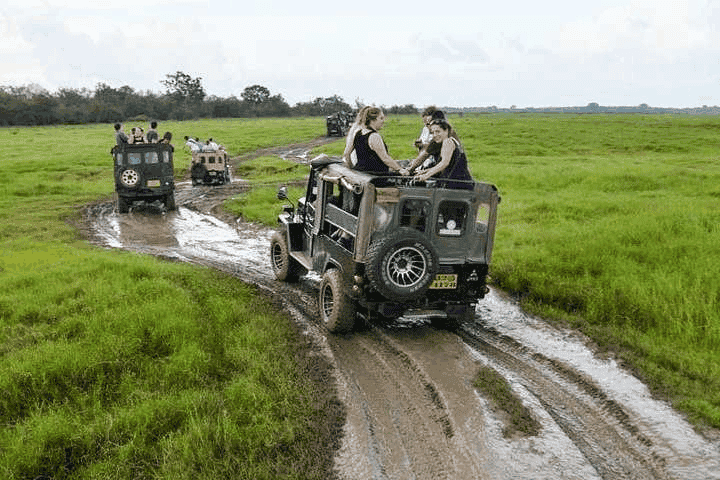
- Hire a specialized 4x4 with an experienced local driver: High-clearance four-wheel-drive vehicles with raised stadium seating provide vital elevation above tall scrub.
- Carry optical gear and dust protection: Bring binoculars with at least 8x magnification, telephoto camera lenses, and protective dry bags to shield sensitive electronics from dust.
- Prioritize patience over chasing radio calls: Waiting silently near natural water sources or game trails frequently yields better natural sightings than racing between reports.
Responsible Safari Etiquette and Wildlife EthicsLocal tip: Morning drives tend to be cooler and reward birdwatchers, but afternoon safaris provide warmer golden-hour light and generally offer higher chances of catching leopards descending from sun-warmed granite rocks.
Preserving Sri Lanka's fragile natural habitats depends directly on ethical travel behaviors from tour operators and visitors alike. Sustainable safari tourism protects vulnerable species and supports the surrounding rural communities that coexist with wildlife.
Visitors must remain inside their vehicles at all times except at officially designated rest stops. Refrain from calling out to animals, using drones, or encouraging drivers to speed off established trail tracks. Responsible wildlife viewing respects natural animal behavior without disrupting feeding, mating, or migration patterns.
Plan It with Zephyra TravelsAt Zephyra Travels, our wildlife journeys are led by verified local chauffeur-guides and experienced park trackers who understand animal behavior and ethical park driving. We handle all logistics—from custom private 4x4 safaris to boutique wilderness lodge bookings—ensuring your adventure is safe, flexible, and immersive.
Explore our tailor-made itineraries and start crafting your personalized island adventure by visiting our Sri Lanka tour packages today.