
The Ultimate Sri Lanka Wildlife Safari Guide to All National Parks
A Sri Lanka wildlife safari offers one of Asia's most intense big-game viewing experiences across a surprising diversity of ecosystems, from tropical dry zone forests and wetlands to misty high-altitude cloud forests. Whether you want to spot elusive leopards, watch massive herds of wild Asian elephants, observe rare sloth bears, or photograph vibrant migratory birds, knowing which national park to visit based on seasonality and wildlife density is essential for an unforgettable adventure.
As of November 2026, Sri Lanka continues to be recognized globally for its incredible biodiversity and accessible wildlife reserves. Below is our complete, local-expert breakdown of every major national park in Sri Lanka to help you craft the perfect wildlife travel itinerary.
At a Glance- Yala National Park: World-famous for the world's highest density of leopards (Block 1).
- Wilpattu National Park: Sri Lanka's largest reserve, renowned for natural lakes (villus), leopards, and sloth bears with far fewer crowds.
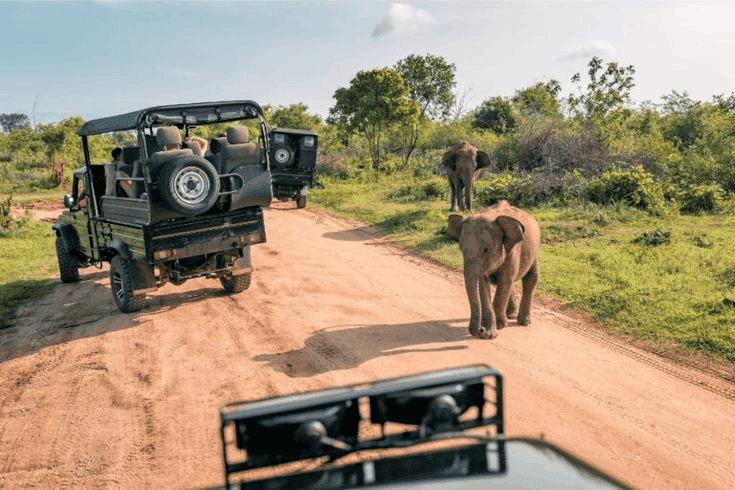
- Udawalawe National Park: Nearly 100% guaranteed year-round Asian elephant sightings in open grassland settings.
- Minneriya, Kaudulla & Hurulu Eco Park: Home to the iconic "Elephant Gathering" during the dry season.
- Gal Oya National Park: Unique boat safaris where you can watch wild elephants swimming between reservoir islands.
- Kumana & Bundala National Parks: World-class birdwatching havens for coastal, aquatic, and migratory species.
- Wasgamuwa & Maduru Oya: Off-the-beaten-path wilderness areas offering peaceful, uncrowded game drives.
- Horton Plains National Park: High-elevation cloud forest ideal for endemic primate watching, birding, and scenic trekking.
- Pigeon Island & Marine Parks: Underwater safari zones for reef sharks, sea turtles, and seasonal whale watching.
1. Yala National Park – High Density Leopards and Coastal Wilderness
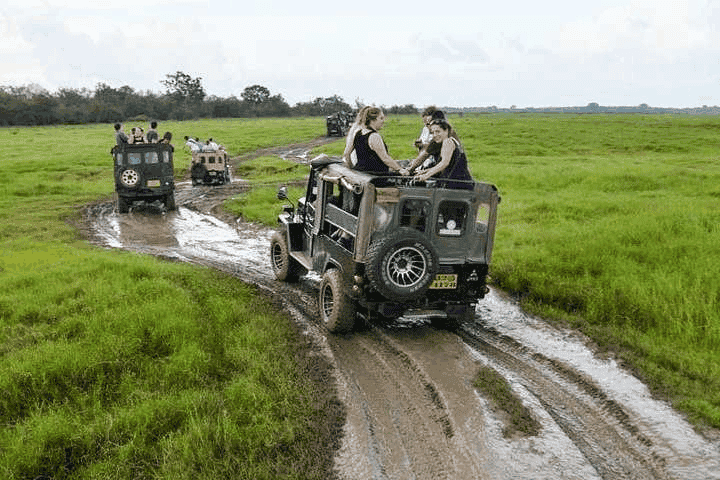
Yala National Park is Sri Lanka's flagship wildlife destination, stretching along the southeastern coast. It boasts one of the highest concentrations of leopards anywhere on earth, particularly in Yala Block 1 (Ruhuna). Beyond big cats, game drives in Yala regularly reveal Asian elephants, sloth bears, spotted deer, wild water buffaloes, mugger crocodiles, and dozens of bird species. Because of its international fame, morning safari queues at the main entrance gate can be long, so booking private morning or late-afternoon safaris with an experienced tracker is strongly recommended. Note that Block 1 typically closes briefly during the peak dry season (usually September) for ecological recovery.
2. Wilpattu National Park – Natural Lakes, Sloth Bears, and Peaceful Trails
Located on the northwestern coast, Wilpattu is Sri Lanka's oldest and largest national park. Characterized by over 100 natural sand-rimmed water basins called villus, Wilpattu offers a deeply immersive jungle experience with dense forest canopy and lower jeep numbers than Yala. It is arguably the best reserve on the island for sighting the elusive Sri Lankan sloth bear, alongside healthy populations of leopards, barking deer, sambar, and painted storks. Wilpattu requires a slightly slower, more patient pace of travel, making it a favorite for photography enthusiasts and wildlife lovers who prefer tranquility over rapid game spotting.
3. Udawalawe National Park – Open Plains and Guaranteed Elephant Sightings
If seeing wild Asian elephants is your top travel priority, Udawalawe National Park must be on your itinerary. Built around a large reservoir, the landscape features scrub jungles and rolling tall grasslands that resemble an East African savanna. Because cover is sparse, elephant sightings here are virtually guaranteed on almost every game drive. You will frequently watch mothers with calves bathing, grazing, and interacting in natural family herds. Udawalawe is also home to jackals, jungle cats, crested serpent eagles, and mugger crocodiles sunning along riverbanks.
4. Minneriya, Kaudulla & Hurulu Eco Park – The Elephant Gathering Complex
These three interconnected parks in the Cultural Triangle form a vital biological corridor for big herds of elephants. Between July and October, as water sources dry up across the North Central Province, hundreds of wild elephants trek to the receding shorelines of the ancient Minneriya Tank. Known as The Elephant Gathering, this event is considered one of wildlife's greatest natural spectacles. Elephants migrate fluidly between Minneriya, Kaudulla, and Hurulu Eco Park depending on water levels and pasture growth, so local guides always check recent herd movements before selecting which park entry gate to use each afternoon.
5. Gal Oya National Park – Boat Safaris and Swimming Elephants
Gal Oya National Park offers one of the most unique safari experiences in South Asia: a motorboat safari across the vast Senanayake Samudra reservoir. Surrounded by evergreen forests and rugged mountain backdrop, you can observe elephants feeding along small island shores and even swimming across deep open waters from one island pasture to another. Gal Oya is also a sacred sanctuary for indigenous Vedda communities and an exceptional sanctuary for rare resident birds like the spot-billed pelican and white-bellied sea eagle.
6. Kumana National Park – Southeastern Wetlands and Coastal Avian Haven
Adjacent to Yala's eastern border, Kumana National Park (formerly Yala East) centers on a large natural mangrove swamp fed by the Kumbukkan Oya. It is legendary among birdwatchers, serving as a vital nesting ground for thousands of migratory and resident waterfowl between May and June, including rare black-necked storks, spoonbills, and heron species. Kumana is significantly less crowded than Yala, yet it harbors the same land mammals, including leopards, sloth bears, and elephants that cross freely across park boundaries.
7. Bundala National Park – Coastal Lagoon Safari and Migratory Birding
Located near Hambantota on the southern coast, Bundala National Park is a UNESCO Biosphere Reserve and Sri Lanka's first Ramsar wetland site. Its series of brackish lagoons, salt pans, and sand dunes attract over 200 bird species annually. During the northern hemisphere winter (November to March), thousands of migratory shorebirds, including greater flamingos, flock to Bundala. It is also an excellent sanctuary for seeing large estuarine crocodiles, monitor lizards, land tortoises, and small herds of wild elephants.
8. Wasgamuwa & Maduru Oya National Parks – Off-the-Beaten-Path Wilderness
Situated in the Matale and Polonnaruwa districts, Wasgamuwa National Park is bounded by the Mahaweli and Amban rivers. It is famous for housing large herds of marshland elephants and big populations of purple-faced langurs. Nearby Maduru Oya National Park protects critical water catchments and features ancient irrigation sluice ruins inside thick forest foliage. Both parks receive a fraction of the visitor volume seen down south, offering undisturbed wilderness game drives for travelers exploring Sri Lanka's central dry zone.
9. Horton Plains National Park – High-Altitude Cloud Forest and Endemics
Perched high in the Central Highlands near Nuwara Eliya, Horton Plains National Park is a windswept plateau of montane grassland and cloud forest located above 2,000 meters elevation. Unlike dry-zone parks where you ride in 4x4 jeeps, Horton Plains is explored on foot via an 9-kilometer loop trail leading to World's End precipice and Baker's Falls. Hikers regularly encounter herds of sambar deer grazing in misty grasslands, as well as endemic species like the purple-faced langur, Sri Lanka whistling thrush, and highland chameleon.
10. Marine National Parks – Coral Reefs, Sea Turtles, and Whales
Sri Lanka's wildlife extends well beyond land. Pigeon Island National Park off Nilaveli (Trincomalee) is a protected marine sanctuary famous for live coral reefs, blacktip reef sharks, and hawksbill sea turtles. Around the island's southern and western seas, designated ocean corridors off Mirissa and Kalpitiya allow seasonal whale watching excursions where giant blue whales, sperm whales, and spinner dolphins travel along deep offshore oceanic trenches.
Park Comparison: Choosing the Best Safari for Your ItineraryYalaLeopards, Sloth Bears, ElephantsFebruary to JulyFirst-time visitors & big cat seekersTissamaharama / PalatupanaWilpattuSloth Bears, Leopards, BirdsFebruary to OctoberPhotographers & quiet nature loversAnuradhapura / PuttalamUdawalaweAsian Elephants, Water BirdsYear-RoundFamilies & elephant loversUdawalawe / EmbilipitiyaMinneriya / KaudullaElephant Gathering (Mass Herds)July to OctoberCultural Triangle travelersHabarana / SigiriyaGal OyaSwimming Elephants, Water SafarisMarch to JulyOff-the-beaten-track adventurersAmpara / BibileKumana & BundalaMigratory Waterfowl, CrocodilesNovember to AprilAvian enthusiasts & birdwatchersArugam Bay / HambantotaHorton PlainsSambar Deer, Cloud Forest BirdsYear-Round (Mornings)Hikers & nature trekkersNuwara Eliya / EllaBest Times of Year for Sri Lanka SafarisChoosing the right safari location depends on seasonal monsoons and rainfall patterns across Sri Lanka. The southwestern dry zone reserves (Udawalawe, Yala, Bundala) enjoy dry weather and great game viewing from February to September, when animals congregate around permanent water holes. Conversely, northern and eastern reserves (Wilpattu, Kumana) benefit from clear skies through late spring and summer.
Local tip: Always schedule early morning (6:00 AM) or late afternoon (3:00 PM) safaris. Midday heat drives big mammals deeper into dense shade, making sightings significantly harder during peak sun hours.Plan It with Zephyra Travels
Navigating Sri Lanka's wildlife reserves requires smooth transport, reliable 4x4 vehicles, and experienced local trackers who understand seasonal animal movements. Our dedicated team manages all logistics, airport transfers, hotel selection, and private game drives so you can focus entirely on enjoying Sri Lanka's extraordinary natural heritage. Explore our tailor-made Sri Lanka tour packages to start crafting your custom wildlife itinerary today.