Sri Lanka When to Visit: A Complete Seasonal and Regional Guide
Deciding on sri lanka when to visit depends on which coast or region you plan to explore, as the island experiences two distinct monsoon seasons. For the west coast, south coast, and Cultural Triangle, the best weather occurs between December and April, while the east coast shines from May to September.
Because Sri Lanka lies in the Indian Ocean just north of the equator, temperatures remain warm year-round along the coast (typically 27°C to 32°C). However, rainfall, ocean swells, and humidity shift dramatically depending on the monsoon winds. Understanding these regional microclimates allows you to enjoy clear skies, calm seas, and dry wildlife safaris during any month of the year.
At a Glance- South & West Coasts: Best from December through April for swimming, diving, and beach stays.
- East Coast & Jaffna: Best from May through September with calm seas and sunshine.
- Cultural Triangle: Pleasant from December to April, though manageable year-round with light inter-monsoon showers.
- Hill Country: Crisp and dry from January to March; cooler temperatures around 12°C to 20°C.
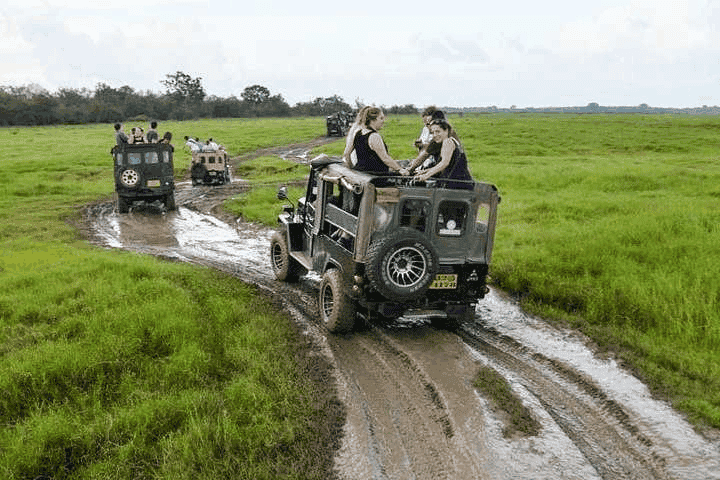
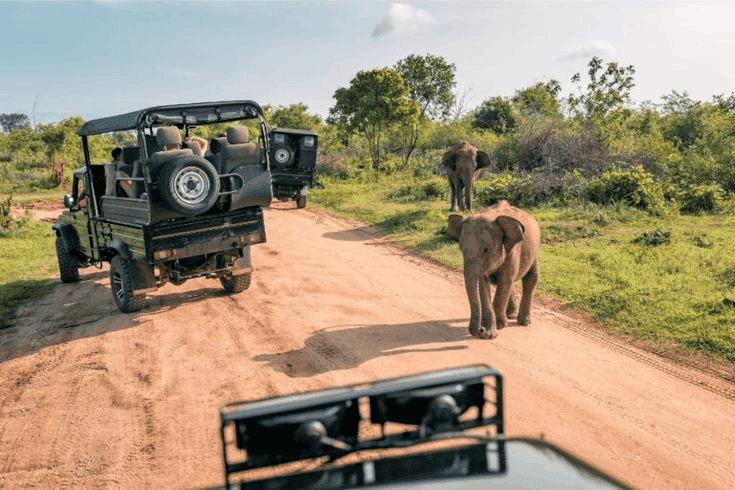
- Wildlife Safaris: Excellent year-round; Yala and Udawalawe peak from December to April, while Minneriya elephant gathering peaks from July to September.
Sri Lanka does not experience a single island-wide rainy season. Instead, two opposing monsoons dictate weather patterns across different geographical zones. This dual-monsoon dynamic makes Sri Lanka a genuine year-round destination because dry, sunny conditions exist on one side of the island while rain falls on the other.
The Southwest Monsoon (Yala)
The Yala monsoon brings rains to the southwestern quarter of the island from May through September. Regions affected include Colombo, Bentota, Galle, Mirissa, and the western slopes of the Central Highlands. Ocean currents along the southwest coast become strong during these months, making sea swimming unpredictable. However, during this exact period, the eastern and northern regions remain bathed in sunshine.
The Northeast Monsoon (Maha)
The Maha monsoon brings rain to the north, east, and north-central regions from October through January. Coastal areas such as Pasikudah, Arugam Bay, Trincomalee, and Jaffna receive their primary rainfall during this period. Conversely, the southwest coast experiences its dry season, offering turquoise waters and gentle waves ideal for snorkeling, whale watching, and beach retreats.
Inter-Monsoon Periods
The transitional months of April and October into November mark the inter-monsoon periods. During these weeks, brief afternoon thunderstorms can happen anywhere across the island, typically followed by clear evening skies. As of November 2026, overall international arrival patterns show that winter remains the peak travel window, though shoulder months offer quiet beaches and lower crowd density.
When to Visit the South and West CoastsThe south and west coasts host Sri Lanka's most accessible beach towns, historic sites, and marine sanctuaries. The coastal strip stretches from Negombo and Bentota down to Galle, Unawatuna, Weligama, Mirissa, and Tangalle.
1. Peak Season: December to April
During these months, offshore winds drop, ocean swells flatten, and daytime skies stay blue. Water visibility along the southwest coast peaks, creating ideal conditions for whale watching off Mirissa and coral reef snorkeling in Hikkaduwa. Daily temperatures hover around 30°C with low humidity.
2. Shoulder Season: October and November
Late October and November mark the transition out of the Yala monsoon. While occasional rain showers occur in the late afternoon, morning hours are frequently sunny. Traveling during this window allows visitors to experience famous sites like Galle Fort with fewer crowds.
3. Off-Peak Season: May to September
Rough seas and strong currents mean red flags are common along southwest beaches during these months. Surfing is restricted to experienced surfers at specific breaks. However, luxury coastal resorts offer competitive rates, and rain often falls in short, heavy bursts rather than all-day downpours.
When to Visit the East Coast and NorthSri Lanka's east coast features vast powdery beaches, calm lagoons, and prime surfing breaks. Key destinations include Trincomalee, Nilaveli, Pasikudah, Arugam Bay, and the northern peninsula of Jaffna.
1. Peak Season: May to September
While the south coast receives monsoon showers, the east coast enjoys dry weather, flat turquoise waters, and bright sunshine. Pasikudah Bay becomes as calm as a swimming pool, ideal for families and luxury beach stays. Pigeon Island off Trincomalee offers exceptional snorkeling conditions with high water clarity.
2. Surf Season in Arugam Bay
Arugam Bay stands as one of South Asia's top surfing points. The main wave season runs from April to October, peaking between June and August when consistent point breaks pull international surfers. Conditions cater to both beginner lessons in lagoons and advanced point rides.
3. Off-Peak Season: November to February
The Northeast monsoon brings heavy downpours and rough seas to the eastern coast. Many seasonal beach cafes and surf schools close during these months as operations shift back to the south coast.
When to Visit the Hill Country and Tea PlantationsThe central highlands—including Kandy, Nuwara Eliya, Hatton, Ella, and Haputale—sit at elevations between 500 and 2,000 meters above sea level. Temperatures here are significantly cooler than on the coast, ranging from 12°C at night in Nuwara Eliya to 24°C during the day in Kandy.
1. Best Months for Hiking and Scenic Trains: January to March
Early in the year, rainfall in the central mountains drops significantly. Clear sky conditions produce panoramic views across Adam's Peak, Little Adam's Peak, and Ella Rock. The world-famous scenic train journey between Kandy and Ella offers crisp views of tea estates and waterfalls.
2. Visiting Nuwara Eliya in April
April is a festive month in Nuwara Eliya, coinciding with the Sinhala and Tamil New Year celebrations. The town fills with flower blooms, horse races, and cultural festivities. Daytime weather is pleasant, though accommodation should be secured well in advance.
3. Monsoon Rainfall in the Mountains: May, October, and November
The mountains capture moisture from both monsoon winds. October and November see heavy mist and afternoon rainstorms. While mist shrouding tea valleys creates dramatic photography, trails can become slippery, requiring sturdy footwear and flexible scheduling.
Sri Lanka Month-by-Month Weather and Travel GuidePlanning your itinerary requires aligning your personal travel interests with regional weather shifts. Here is how the calendar breaks down across the island:
January - Prime Winter Sun Across the South
January delivers sunshine across the west coast, south coast, Cultural Triangle, and Central Highlands. Ideal for wildlife safaris in Yala and Udawalawe, whale watching in Mirissa, and climbing Sigiriya Rock Fortress in comfortable morning temperatures.
February - Ideal Island-Wide Travel Conditions
February is widely considered one of the single best months to visit Sri Lanka. Rainfall is low across almost all major tourist regions, seas are calm on the south coast, and hiking conditions in Ella and Hatton are optimal.
March - Warm Weather and Cultural Sightseeing
March brings warm, dry weather island-wide. Coastal temperatures rise slightly toward 32°C. Excellent for combining the Cultural Triangle (Anuradhapura, Polonnaruwa, Dambulla) with beach stays in Bentota or Tangalle.
April - Festive Atmosphere and Transitional Skies
Early April remains mostly dry and warm. Mid-April sees the Sinhala and Tamil New Year festival, bringing rich cultural experiences across the island. Late April brings initial inter-monsoon afternoon showers.
May - The East Coast Season Begins
The Yala monsoon establishes itself on the southwest coast, while weather along the east coast in Trincomalee and Pasikudah becomes warm and dry. Great month for lower hotel rates and quiet cultural sites.
June - Peak East Coast Surfing and Sunshine
June brings outstanding conditions to Arugam Bay and Pasikudah. The Cultural Triangle remains largely dry, though warm. Safari conditions in Minneriya National Park begin to prime as water levels fall.
July - Wildlife Safaris and Summer Holidays
July offers excellent conditions for international summer vacations. The Gathering of Elephants begins at Minneriya National Park as hundreds of wild elephants congregate around the ancient reservoir bed.
August - Festivals and Cultural Grandeur
August hosts the famous Kandy Esala Perahera, a ten-day festival featuring traditional dancers, drummers, and illuminated processions. East coast beaches remain sunny and calm.
September - Elephant Gathering Peak and Quiet Trails
September sees the peak of the Minneriya elephant gathering. Weather along the east coast stays fine through mid-month before transitional winds begin to shift late in the month.
October - Inter-Monsoon Transition Month
October experiences variable weather across the island with inter-monsoon showers. It is a peaceful time for travelers who prefer off-peak quiet, though flexible day planning is essential.
November - Pre-Peak Season Preparation
The Northeast monsoon affects the north and east, while the south coast begins dry weather conditions late in the month. As of November 2026, traveler interest picks up rapidly as European winter approaches.
December - Festive Peak Season Launch
December starts the main peak season. Clear blue skies return to southern beaches and hill country valleys, attracting travelers seeking winter sun over Christmas and New Year holidays.
Choosing your exact dates comes down to balancing your priorities between weather stability, crowd levels, wildlife sightings, and budget.
1. Balancing Wildlife Viewing Windows
If seeing leopards and sloth bears in Yala National Park is your top priority, visit between January and July when dry weather forces animals toward visible waterholes. For Asian elephant gatherings, plan your trip between July and September to visit Minneriya or Kaudulla National Parks.
2. Navigating International Travel Seasons
Peak international travel occurs from December through February and again in July and August. During these peak windows, early booking of boutique hotels and private transport is highly recommended. Visiting in shoulder months like March, April, or September offers comfortable weather alongside better availability.
Plan It with Zephyra TravelsLocal tip: Sri Lanka's compact size means you can easily bypass coastal rain by taking a scenic private drive across the central mountains to the opposite shore, swapping rainy skies for coastal sunshine in just four to five hours.
At Zephyra Travels, our local travel experts and dedicated chauffeur-guides design custom itineraries tailored to current weather patterns and seasonal highlights. Operating under the local technology umbrella of Zephyra Group, we deliver reliable, seamless private tours across Sri Lanka with transparent advice every step of the way.
Whether you want to relax on dry golden beaches, trek through misty tea plantations, or watch wild elephants on safari, explore our curated Sri Lanka tour packages to start planning your custom private journey today.