
Navigating Sri Lanka Weather Patterns, Ocean Swells, and Regional Travel Safety
The best time to visit Sri Lanka depends entirely on which coast or mountain region you plan to explore, because two alternating monsoons keep one half of the island sunny while the other receives seasonal rain. For dry skies across the southern beaches, western resorts, and central tea hills, visit between December and April; to enjoy calm turquoise waters on the east coast, choose May through September.
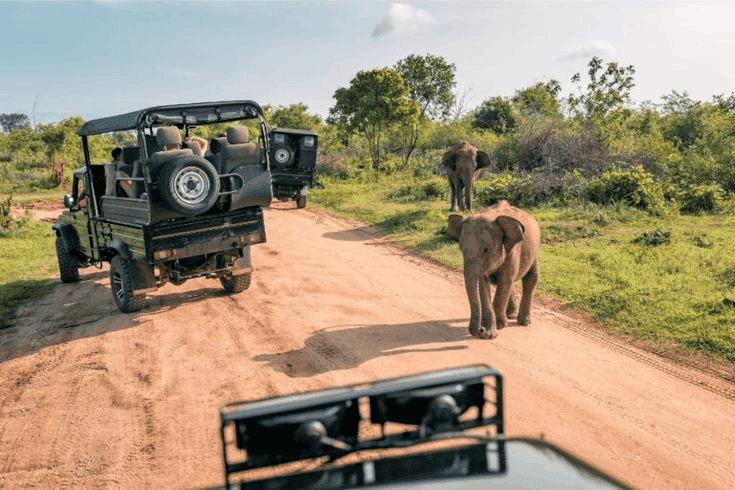
Understanding local weather dynamics is essential for ocean safety, mountain driving, and wildlife tracking. Sri Lanka does not experience an island-wide wet season. Instead, distinct climatic zones allow you to tailor your travel dates to dry, sunny weather year-round while staying safe from seasonal rip currents and hill country road hazards.
At a Glance- Dual Monsoon Microclimates: The southwest monsoon (Yala) brings rain to the south and west from May to September, while the northeast monsoon (Maha) touches the north and east between October and January.
- Peak Winter Season: December to March offers optimal conditions for Galle, Mirissa, Bentota, Kandy, and tea country hiking.
- East Coast Summer: June to August delivers peak sunshine and pristine dive conditions to Trincomalee, Pasikudah, and Arugam Bay.
- Ocean & Shore Safety: Red flags on beaches mean dangerous currents; always confirm with local lifeguards before swimming.
- Mountain Weather: Inter-monsoon thunderstorms can produce sudden mist and wet winding roads in the highlands during October and November.
Sri Lanka sits just north of the equator in the Indian Ocean, which grants the island warm tropical temperatures averaging 27°C to 32°C (80°F to 90°F) along the coast year-round. However, the island's central mountain massif creates a geographic barrier that dramatically splits rainfall between regions.
1. The Southwest Monsoon (Yala)
Active from May through September, the Yala monsoon sweeps in moisture from the Indian Ocean, impacting the southwest coastline, Colombo, and the windward slopes of the central hills. While showers can be heavy, they often arrive in short afternoon bursts rather than persistent gray downpours. During this window, travelers seeking dry beach weather simply pivot east.
2. The Northeast Monsoon (Maha)
From October through January, the Maha monsoon brings rain to the northern plains, the Cultural Triangle, and the eastern coastline. By contrast, the southern and western beaches clear up, ushering in the island's busiest international winter season.
3. The Inter-Monsoon Transition Periods
April and late October through November are transitional periods. Convectional rains can occur island-wide, usually characterized by sunny mornings followed by brief, dramatic twilight downpours and lightning storms.
Local tip: Do not let a rainy forecast in Colombo deter you from visiting Sri Lanka. The island's dual climate means pristine beach weather is almost always available on the opposite coast.Regional Seasonality & Safety Matrix
Use this regional breakdown to match your desired travel style with safe seasonal conditions across the island.
South & West CoastsDecember – AprilMay – SeptemberStrong seasonal rip currents during monsoon; check red flags.Beach lovers, families, surfersEast CoastMay – SeptemberOctober – JanuaryShallow, protected bays at Pasikudah; summer surf at Arugam Bay.Divers, marine adventurersCentral HighlandsDecember – MarchOctober – NovemberMountain fog and wet switchback turns; choose experienced drivers.Hikers, train riders, tea buffsCultural TriangleJanuary – SeptemberOctober – DecemberHigh midday heat; climb rocks at dawn and stay well hydrated.History and culture seekersSouthern SafarisYear-RoundOctober – NovemberOccasional track flooding in late autumn; morning safaris are best.Wildlife and safari enthusiastsOcean Safety and Beach HazardsSri Lanka's coastline offers world-class surfing, diving, and sunbathing, but open ocean dynamics demand vigilance. The Indian Ocean produces powerful swells that vary dramatically by season.
Recognizing Safe Swimming Zones
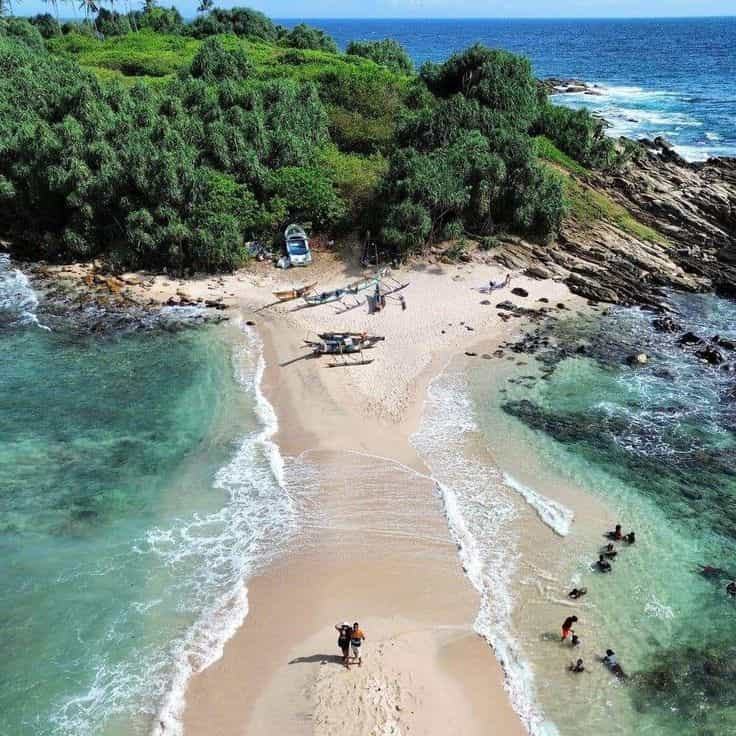
From May to October, the southern shores experience intense surf and undertows. Even confident swimmers should avoid unpatrolled beaches where red warning flags are flying. Look for naturally sheltered bays, such as Unawatuna or the reef-protected shallows of Polhena, if you visit the south during marginal shoulder months.
Marine Life Considerations
Jellyfish can occasionally drift close to shore during monsoon transitions, and sea urchins inhabit rocky reefs around Mirissa and Trincomalee. Wearing water shoes when navigating coral flats or rocky headlands provides effective protection.
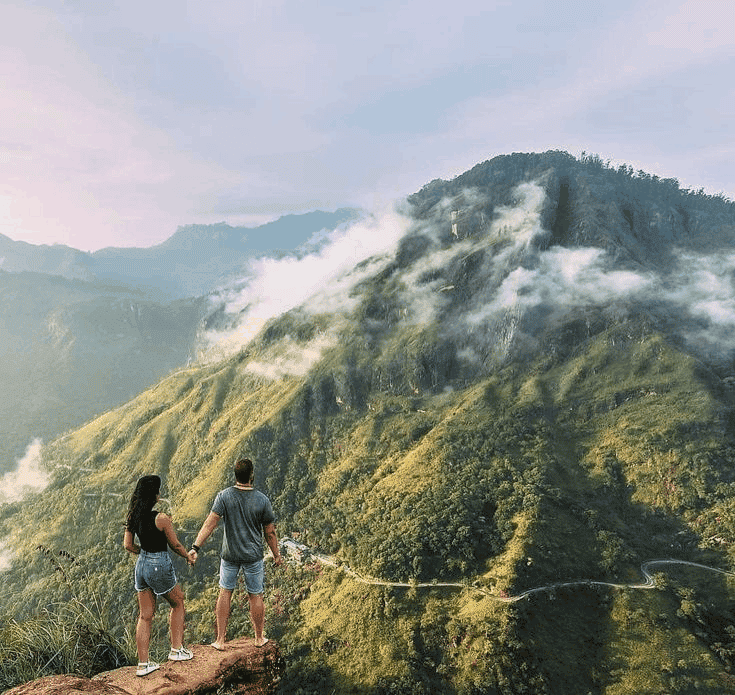
Highland Weather, Roads, and Hiking SafetyThe central hill country—encompassing Nuwara Eliya, Ella, and the Knuckles Mountain Range—features an elevation-dependent climate where daytime temperatures hover comfortably around 18°C to 22°C (64°F to 72°F), dipping sharply at night.
- Pack Layered Clothing: Bring fleece jackets and windbreakers for early morning excursions to Horton Plains or Adam's Peak, where pre-dawn temperatures can drop near single digits Celsius.
- Navigate Mountain Roads Safely: Highland routes feature steep switchbacks, blind corners, and sudden blankets of thick mist. Hiring a verified private driver eliminates the hazards of driving unfamiliar mountain roads in unpredictable rain.
- Leech Precautions on Forest Treks: Rainy conditions bring out harmless but persistent land leeches in rainforests like Sinharaja. Wear high leech socks, apply eucalyptus oil, and stay on clear trails.
Tropical safety involves sensible personal care as much as tracking rain charts. The equatorial sun is remarkably strong, even under light cloud cover.
Sunstroke and Dehydration
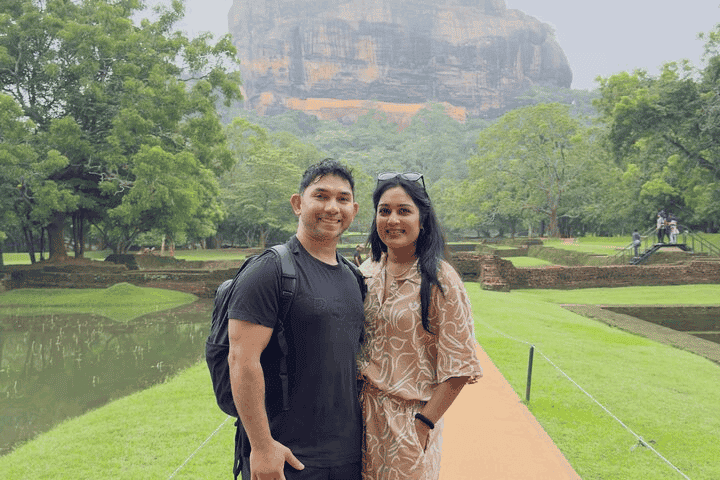
When exploring exposed archaeological sites such as Sigiriya Rock Fortress or Polonnaruwa, begin your climb before 8:00 AM. Drink bottled or filtered water regularly and carry electrolyte packets, especially when touring cultural ruins during midday heat.
Mosquito Management
Dengue fever is present in tropical environments, particularly in urban and suburban areas following heavy rains. Use DEET-based or picaridin insect repellent during dawn and dusk hours, and select accommodations with well-maintained air conditioning or mosquito nets.
Travel Logistics: Practical Seasonal RealitiesAs of October 2026, Sri Lanka welcomes over 1.6 million visitors annually, with arrivals peaking sharply during the crisp, dry winter months from December to February. As of October 2026, eligible passport holders from designated countries can obtain a 30-day tourist ETA; always confirm current visa regulations on the official government portal before travel.
During the December-to-February peak, popular boutique hotels along the southern coast and scenic hill country trains sell out weeks in advance. If you travel during these months, reserving private transfers and boutique lodging early guarantees your route runs smoothly.
Plan It with Zephyra TravelsNavigating Sri Lanka's microclimates is effortless when you have local logistics experts on your side. Zephyra Travels designs bespoke, flexible itineraries led by licensed local chauffeur-guides who understand local weather patterns, ensuring you avoid rain zones and discover calm, sunny shores throughout your journey.
Ready to experience the best of the island across any season? Explore our tailored private Sri Lanka tour packages and begin planning your safe, sun-soaked vacation today.