
East Coast Sri Lanka: The Ultimate Coastal Travel Guide
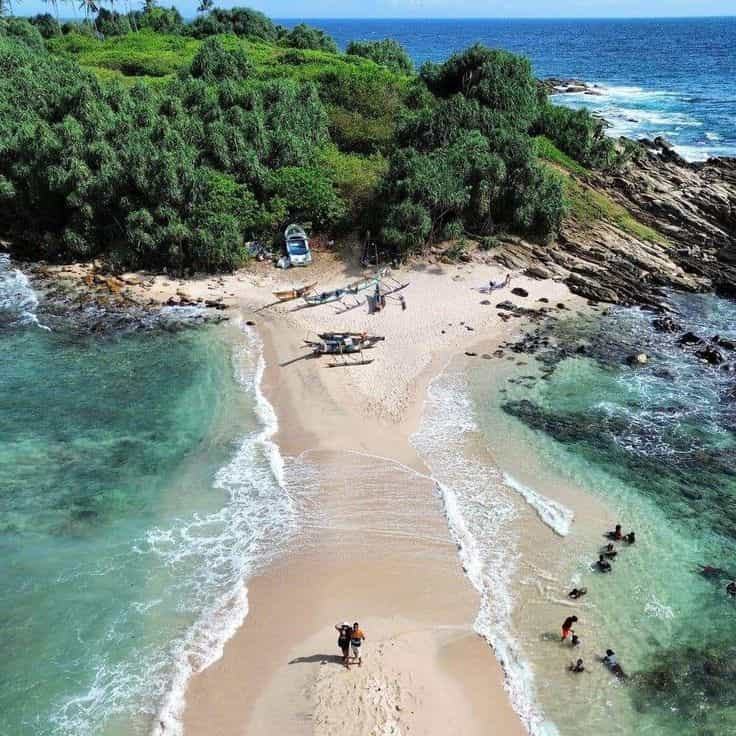
East Coast Sri Lanka delivers sunny skies, calm turquoise bays, and world-class ocean conditions during the dry summer season from May to September. While the southwest coast experiences monsoon rains, eastern hubs like Trincomalee, Pasikudah, Batticaloa, and Arugam Bay offer ideal beach weather, vibrant coral reefs, and legendary surf point breaks.
As of November 2026, international travelers are increasingly tailoring their tropical itineraries around eastern destinations to secure sun-drenched coastlines and uncrowded natural landscapes. Whether you want to swim in shallow lagoon waters, dive with reef sharks, or ride world-renowned right-hand point breaks, the eastern coastline provides a distinct experience from the rest of the island.
At a Glance- Primary Dry Season: May to September brings dry weather, low humidity, and flat seas to the northern and central east coast.
- Key Hubs: Trincomalee for snorkeling and cultural heritage, Pasikudah for luxury beach resorts, Arugam Bay for surfing, and Batticaloa for quiet lagoons.
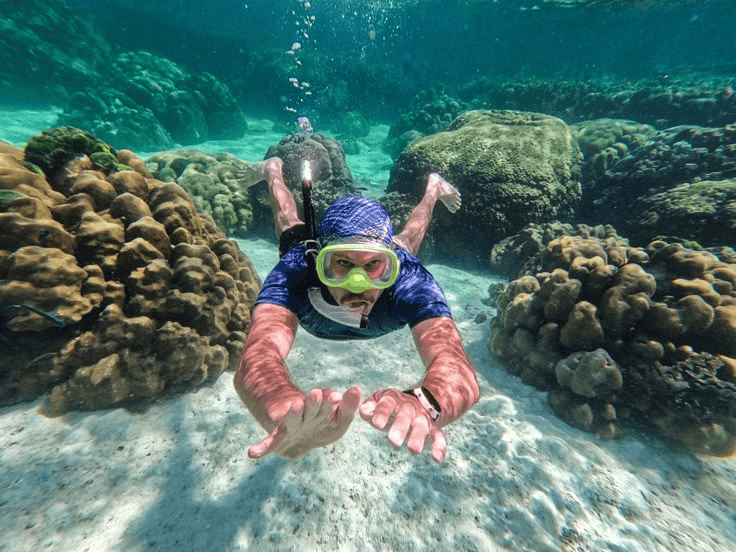
- Marine Life: Blue whale sightings off Swami Rock in Trincomalee and snorkeling at Pigeon Island National Park.
- Surfing Peak: June to August delivers consistent 3- to 6-foot waves at Arugam Bay Main Point, Whiskey Point, and Peanut Farm.
- Travel Connections: Easily combined with Cultural Triangle sites like Sigiriya and Polonnaruwa via private vehicle transfers.
Choosing where to stay along the eastern shore depends on your preferred travel style, active pursuits, and overall pace. The region spans over 300 kilometers of diverse coastal terrain, ranging from deep natural harbors to broad shallow bays.
1. Trincomalee - Best for Whales, Snorkeling & History
Trincomalee stands as the commercial and cultural focal point of the northeast shore. Built around one of the world's finest natural deep-water harbors, Trincomalee features historic sites alongside serene palm-lined beaches such as Uppuveli and Nilaveli. The ocean here remains clear and gentle from May through late September, creating pristine conditions for water sports.
Visitors often base themselves in Nilaveli for direct boat access to offshore marine sanctuaries, or stay closer to town to explore the cliffside Koneswaram Temple overlooking Gokarna Bay. The travel time from Colombo to Trincomalee is typically around five to six hours by private vehicle.
2. Pasikudah & Kalkudah - Best for Calm Waters & Luxury Resorts
Pasikudah Bay is famous for possessing one of the longest stretches of shallow coastline in Sri Lanka. A protective offshore reef allows bathers to wade hundreds of meters into glassy, warm water that rarely exceeds waist depth during the summer months. This makes Pasikudah an unbeatable spot for families with young children and relaxed leisure travelers.
Directly south of the main hotel strip lies Kalkudah Beach, a crescent of sand backed by coconut groves that offers a far quieter, undeveloped alternative. A drive from Polonnaruwa to Pasikudah typically takes about 90 minutes, making it a natural beach finish after exploring ancient ruins.
3. Arugam Bay - Best for World-Class Surfing & Laid-Back Vibe
Located on the southeastern coast, Arugam Bay ranks among the premier right-hand point break surfing destinations in Asia. Between May and October, ocean swells from the southern ocean sweep into the bay, producing clean, peeling waves suitable for intermediate and advanced surfers.
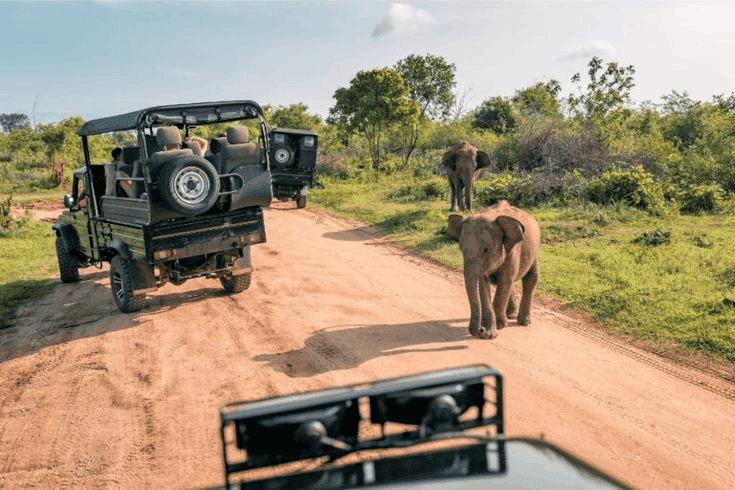
The town itself maintains a relaxed atmosphere populated by beachfront cafes, yoga pavilions, and surf schools. Surrounding lagoons and nearby wilderness areas like Kumana National Park offer easy morning game drives where wild elephants and migratory birds roam freely.
4. Batticaloa - Best for Heritage, Lagoons & Quiet Exploration
Batticaloa sits on a narrow strip of land surrounded by expansive coastal lagoons and island bridges. Rich in Portuguese, Dutch, and British colonial architectural influences, the city offers an immersive, authentic look at eastern coastal life away from major resort crowds.
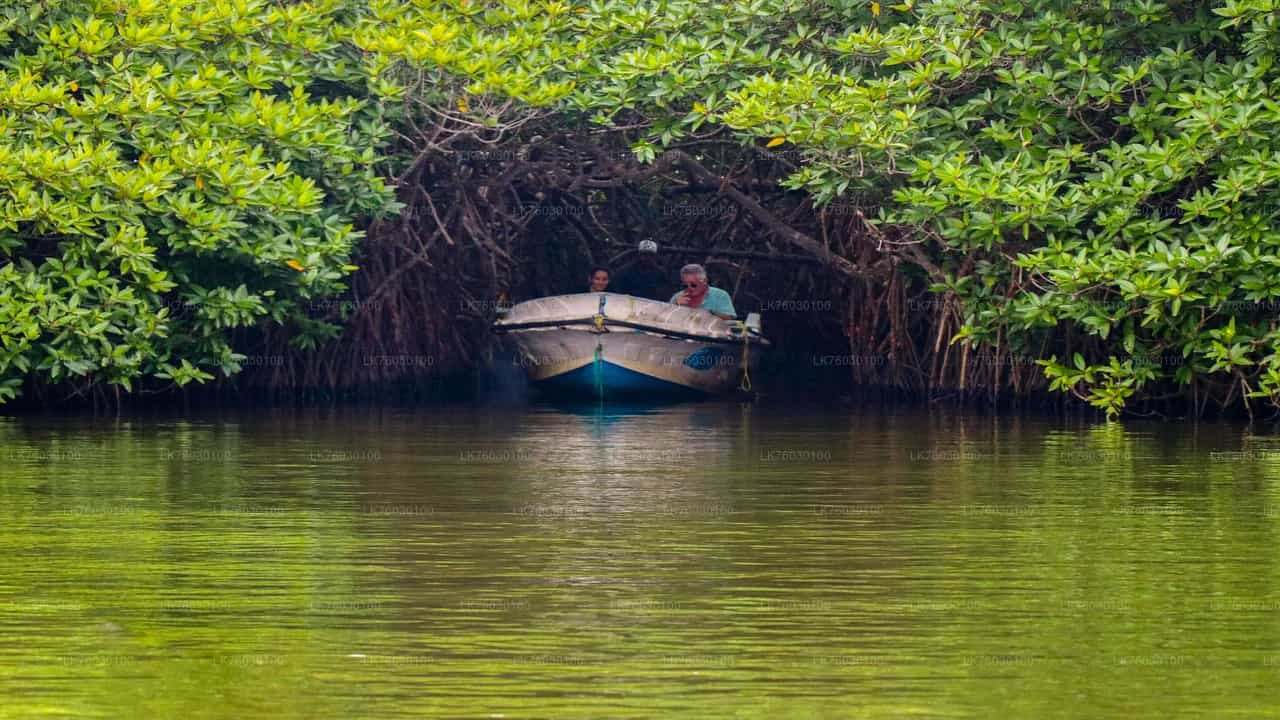
Key attractions include the historic 17th-century Dutch Fort, peaceful lagoon boat trips, and the nearby Kallady Beach. Travelers interested in local culinary traditions can sample spicy seafood curries infused with roasted eastern spice blends.
When to Visit East Coast Sri Lanka: Weather & Ocean ConditionsUnderstanding Sri Lanka's dual-monsoon pattern is essential when planning a beach getaway. The Yala monsoon affects the south and west coasts from May to September, while the Maha monsoon impacts the east coast from October through January. Consequently, the eastern beaches operate on a complementary schedule to popular southern destinations like Galle and Mirissa.
TrincomaleeMay to SepCalm & ClearSnorkeling, Whales, TemplesCultural & CoastalPasikudahMay to SepShallow & FlatSwimming, Kayaking, Luxury StaysResort & FamilyArugam BayMay to Oct3-6 ft Surfing SwellsSurfing, Yoga, Wildlife SafarisBohemian & EnergeticBatticaloaMay to SepMild Lagoon WatersLagoon Cruising, Fort ToursAuthentic & HistoricDuring peak summer months, daytime temperatures along the east coast average between 30°C and 34°C, accompanied by dry breezes and minimal rainfall. By November, rain showers become frequent, sea conditions grow rougher, and many seasonal surf operations temporarily scale back.
Unmissable Experiences on the Eastern ShoreA journey down East Coast Sri Lanka combines high-energy ocean activities with quiet heritage sights. Here are the top experiences to include in your itinerary:
- Snorkeling at Pigeon Island National Park: Located just a 15-minute boat ride off Nilaveli Beach, this protected marine reserve houses bright coral gardens, blacktip reef sharks, and hawksbill sea turtles in crystal-clear water.
- Whale Watching off Swami Rock: Between May and August, blue whales and large pod groups of spinner dolphins migrate past the deep trench located near Trincomalee's harbor entrance.
- Surfing Main Point & Baby Point: Arugam Bay provides break options for every skill level, from gentle sandy bays at Baby Point to fast reef breaks at Main Point.
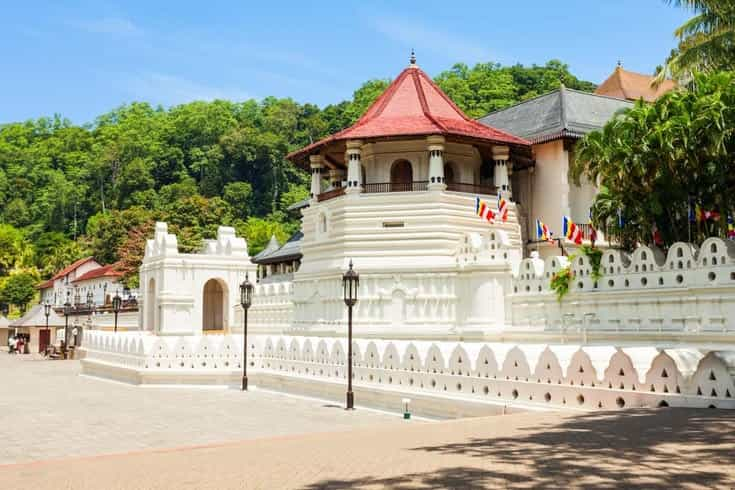
- Exploring Koneswaram Kovil: Perched atop Swami Rock inside historic Fort Frederick, this revered Hindu shrine offers breathtaking panoramic views over the Indian Ocean.
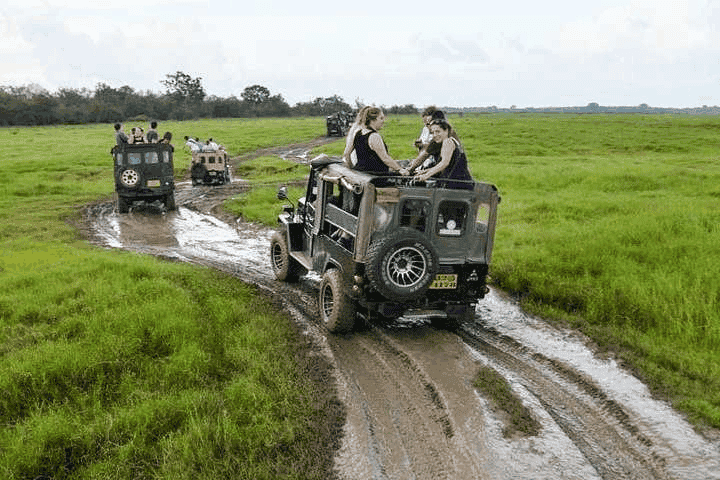
- Wild Elephant Safaris at Kumana: Located an hour south of Arugam Bay, Kumana National Park offers peaceful safari drives without the heavy vehicle traffic seen in busier southern parks.
How to Seamlessly Connect the East Coast to Your RouteLocal tip: Visit Pigeon Island early in the morning around 8:00 AM. Marine life is most active, water clarity is at its highest, and you avoid the hotter midday temperatures and afternoon tour boats.
Because East Coast Sri Lanka lies opposite the main international airport in Katunayake (CMB), intelligent route planning minimizes transit times and keeps your holiday relaxed.
Most winter travelers focus on southern beaches, but summer travelers benefit significantly from combining the Cultural Triangle with the eastern coast. A private vehicle transfer from Dambulla or Sigiriya to Trincomalee takes roughly two and a half to three hours along well-paved inland highways. Alternatively, traveling from Ella down through Monaragala to Arugam Bay requires approximately three hours, creating a direct bridge between the central tea country and the surf break.
Plan It with Zephyra TravelsNavigating seasonal weather changes and organizing transfers between hill country peaks and eastern shores is effortless with private, flexible touring. Our local team provides air-conditioned private vehicles, dedicated local driver-guides, and curated hotel stays tailored specifically to your group's pace.
Ready to discover the pristine bays, coastal culture, and clear summer ocean of eastern Sri Lanka? Explore our tailor-made Sri Lanka tour packages to start designing your ideal private island itinerary with our local travel experts today.