Navigating the Sri Lanka Travel Season Across Monsoons and Regions
The main Sri Lanka travel season is divided into two distinct climate periods due to the island’s dual monsoon system, meaning there is always a clear, dry coast to explore regardless of when you visit. As of November 2026, peak dry weather runs along the southwest coast and central hill country from December through April, while the sunny east coast shines bright from May through September.
Because Sri Lanka experiences two separate monsoons affecting opposing corners of the island, seasonal planning requires understanding regional geography rather than treating the entire nation as one single climate zone. While the Yala monsoon brings coastal rain to the west and south, the northeast remains warm and dry. Conversely, when the Maha monsoon touches the east coast, the southern beaches enjoy endless sunny days and calm ocean currents.
At a Glance- Peak Southwest Season (December to April): Ideal for Galle, Bentota, Mirissa, Kandy, and Ella, offering warm sunshine and calm seas.
- Peak East Coast Season (May to September): Perfect for Pasikudah, Trincomalee, and Arugam Bay with clear skies and excellent ocean visibility.
- Cultural Triangle Climate: Dry and hot for most of the year, with occasional monsoon rains late in the calendar year.
- Wildlife Viewing Windows: Yala and Udawalawe offer great sightings year-round, while Minneriya elephant gatherings peak between July and October.
- Inter-Monsoon Months: April, May, October, and November transition weather across regions, bringing brief afternoon showers and lush green landscapes.
The southwest dry window represents the traditional peak Sri Lanka travel season for international holidaymakers seeking beach warmth and wildlife adventures. During these months, coastal resort towns from Negombo down to Mirissa experience dry mornings, warm ocean waters, and minimal rainfall. It is typically about a 2-hour drive from Colombo to Bentota along the Southern Expressway, making coastal transfers fast and reliable.
Inland, this period coincides with pleasant temperatures across the central highlands. Nuwara Eliya and Hatton enjoy clear mountain air, while Kandy experiences moderate warmth perfect for temple visits. Travelers exploring the tea estates during this window will encounter prime walking conditions along scenic hill trails.
Highland Rail and Cultural Touring
The iconic train journey between Kandy and Ella is best experienced during this season, as dry skies offer clear mountain vistas across tea valleys and waterfalls. The train journey typically takes about six to seven hours, winding through lush pine forests and mist-free viewpoints. Our local driver-guides often arrange luggage transfers ahead, allowing guests to ride the historic train unburdened by heavy bags.
2. East Coast Summer Season (May to September)Local tip: Book tea estate tours and scenic train tickets several weeks in advance during the peak December to February holiday window, as demand across hill country transport reaches its yearly high.
When monsoon rains gently shift toward the southwestern shores, the eastern coastline comes alive with dry weather, crystal-clear sea bays, and ideal surfing conditions. Destinations such as Trincomalee, Pasikudah, and Arugam Bay become the primary retreat for beach enthusiasts and ocean lovers from May through September.
Trincomalee’s Nilaveli Beach offers tranquil, clear waters perfect for swimming and snorkeling around Pigeon Island National Park. Farther south along the eastern arc, Pasikudah Bay features a shallow, sandy reef shelf that creates gentle, lake-like bathing conditions ideal for families and relaxed swimming.
Surfing and Marine Expeditions
- Arugam Bay Surf Season: World-class point breaks line the coastline, drawing surfers from around the globe between May and August.
- Trincomalee Marine Safaris: Blue whale and dolphin sightings peak off the east coast during July and August when sea surfaces remain glassy and calm.
- Pigeon Island Snorkeling: Undersea visibility reaches its annual peak, revealing vibrant coral reefs and marine life near the shoreline.
The Cultural Triangle—encompassing Sigiriya, Dambulla, Anuradhapura, and Polonnaruwa—occupies Sri Lanka’s dry zone. This vast heritage landscape stays generally hot and sunny for most of the year, experiencing heavy rainfall primarily during the late-year inter-monsoon window between October and December.
Morning climbs up Sigiriya Rock Fortress are highly recommended year-round to avoid midday heat. Daytime temperatures frequently reach 30 to 33 degrees Celsius, so scheduling temple walks during early morning or late afternoon hours ensures a comfortable cultural experience.
Highland Temperature Differences
While lowland heritage sites stay warm, the central hill country maintains a cooler climate year-round. Nuwara Eliya, situated over 1,800 meters above sea level, daily temperatures usually range between 12 and 20 degrees Celsius. Bringing light sweaters or jackets is essential when traveling from warm coastal beaches into the central tea hills.
4. Wildlife Safaris and Seasonal Migration WindowsSri Lanka’s national parks offer world-class wildlife safaris, but optimal viewing times shift based on water levels and vegetation density. Planning your safari around seasonal conditions enhances your chances of spotting leopards, Asian elephants, and sloth bears.
Yala and Wilpattu Leopard Safaris
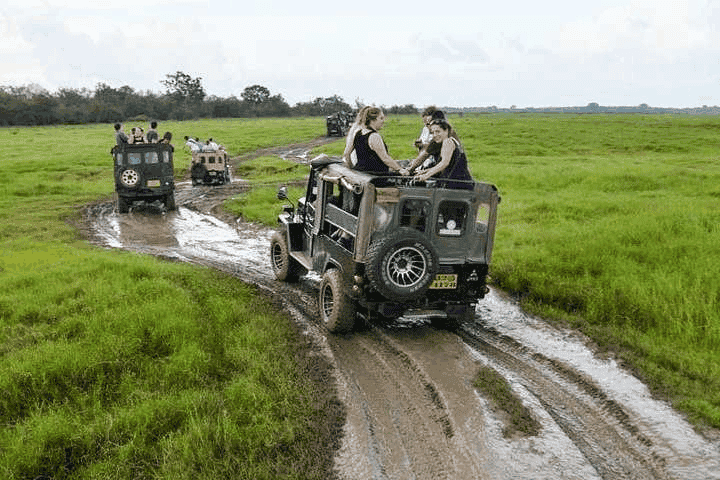
Yala National Park on the southeastern coast yields exceptional leopard sightings, particularly during the dry months of June through September when water holes shrink and animals gather near open lakes. Note that Yala Block 1 typically closes for routine ecosystem rest and maintenance during late September or October for about four to six weeks.
Wilpattu National Park in the northwest features natural sand-rimmed lakes called villus. It offers outstanding safari opportunities with fewer vehicles, remaining accessible and rewardingly quiet across most months of the year.
The Minneriya Elephant Gathering
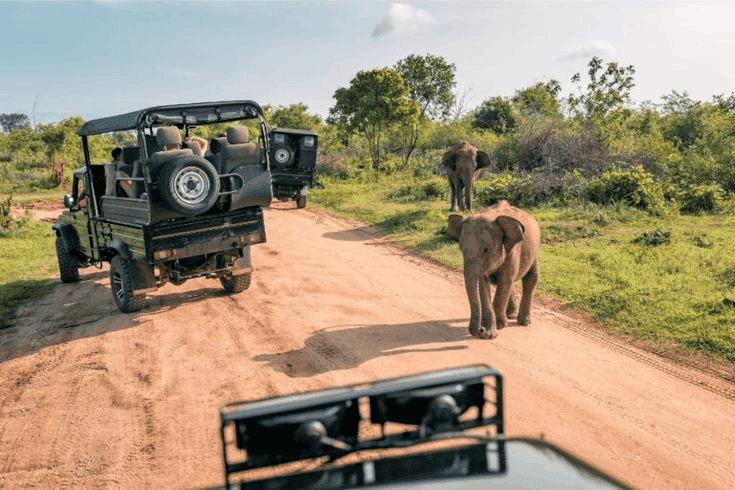
Between July and October, the dry season in the North Central Province causes water levels in the Minneriya and Kaudulla reservoirs to recede. Hundreds of wild Asian elephants migrate to the exposed grassy tank beds in search of fresh shoots and water. This spectacular natural spectacle is widely recognized as one of Asia's greatest wildlife gatherings.
5. Comparing Regional Seasons Across Sri LankaTo help you structure your itinerary around island weather, the table below outlines regional dry windows, main highlights, and ideal traveler activities across different coastlines.
Southwest CoastDec – AprSunny & DryBentota, Galle Fort, MirissaBeach lovers, families, couplesEast CoastMay – SepWarm & SunnyPasikudah, Trincomalee, Arugam BaySurfers, divers, beach seekersCultural TriangleJan – SepHot & Dry ZoneSigiriya, Dambulla, PolonnaruwaHistory & photography buffsCentral HighlandsDec – MayCool & MildNuwara Eliya, Ella, Tea TrailsHikers, train enthusiasts, nature loversNorth & JaffnaMay – SepDry & WarmJaffna Fort, Nallur Kovil, IslandsCultural explorers, off-path travelersInter-Monsoon Planning and Shoulder MonthsThe inter-monsoon months of April, May, October, and November bring transitional weather patterns across the island. During these shoulder windows, rainfall typically occurs as brief, afternoon thunderstorm showers rather than continuous day-long downpours, leaving mornings free for outdoor sight-seeing.
Traveling during shoulder seasons offers distinct advantages, including quieter cultural monuments, lush green landscapes, and wider availability at luxury boutique stays. Private chauffeur touring allows flexible day scheduling, so drivers can easily adjust afternoon routing if a brief rain shower occurs.
Plan It with Zephyra TravelsPlanning your journey around the Sri Lanka travel season is effortless when supported by local expertise. At Zephyra Travels, our team of dedicated local travel experts crafts custom private circuits tailored around current weather patterns, ensuring you experience clear skies, smooth transport, and authentic local hospitality regardless of when you visit.
Whether you dream of morning safaris in Wilpattu, scenic train journeys through highland tea valleys, or quiet ocean afternoons along pristine palm-fringed beaches, our experienced driver-guides ensure a comfortable and seamless vacation. Explore our full range of curated private Sri Lanka tour packages to start designing your tailor-made island itinerary today.