Understanding Seasons in Sri Lanka: Monsoons, Microclimates, and Regional Timing
The seasons in Sri Lanka are defined by a unique dual-monsoon climate system that ensures sunny beach weather somewhere on the island during every month of the year. Because monsoons strike opposite coasts at different times, understanding how seasons in Sri Lanka work allows you to pick the best coastline, hill country routes, and wildlife parks for your chosen travel dates.
At a Glance- Year-Round Destination: Monsoons operate on alternating schedules, so when one coast experiences rain, the opposite coast enjoys dry, clear weather.
- Southwest Monsoon (Yala): Brings rain to the south, west, and hill country from May to September, leaving eastern and northern beaches sun-drenched.
- Northeast Monsoon (Maha): Brings rain to the east and north from October to January, making the south and west coasts sunny and calm.
- Microclimates: High-altitude regions like Nuwara Eliya remain cool year-round with temperatures around 15°C to 20°C (59°F to 68°F).
- Flexible Travel Strategy: Booking a flexible itinerary with a local private driver-guide ensures you can adjust daily plans based on real-time weather conditions.
Understanding the seasons in Sri Lanka requires looking at the island's geography and wind patterns. Located just north of the equator in the Indian Ocean, Sri Lanka experiences tropical weather year-round, with average coastal temperatures lingering between 27°C and 31°C (80°F to 88°F). Rather than traditional summer and winter cycles, the climate is dictated by two major monsoons and two brief inter-monsoonal transition periods.
The Yala Monsoon Season (May to September)
The Yala monsoon originates in the Indian Ocean and sweeps across the southwest corner of Sri Lanka from May through September. During these months, popular southern and western beach towns like Bentota, Hikkaduwa, Galle, and Unawatuna experience higher rainfall, heavier sea swells, and humid conditions. The central tea country around Nuwara Eliya and Hatton also receives frequent afternoon showers during Yala. However, the eastern coastline around Pasikudah, Trincomalee, and Arugam Bay enjoys its peak dry season during these same months, offering turquoise waters and ideal surf conditions.
The Maha Monsoon Season (October to January)
The Maha monsoon shifts weather patterns toward the northern and eastern sectors of Sri Lanka from October through January. Brought by winds blowing across the Bay of Bengal, Maha brings rainfall to Trincomalee, Jaffna, Batticaloa, and parts of the Cultural Triangle around Anuradhapura and Polonnaruwa. Concurrently, the south and west coastlines transition into their prime dry season, creating idyllic beach weather along Mirissa, Tangalle, Bentota, and Negombo.
Inter-Monsoon Transition Periods (October-November and March-April)
Between the primary monsoon periods lie two brief inter-monsoonal windows. October and November mark the first inter-monsoon season, characterized by sporadic thunderstorm activity across the entire island, often occurring late in the afternoon. The second inter-monsoon period in March and April brings warm, calm conditions nationwide before the arrival of Yala, making early spring an excellent time to travel across multiple regions.
2. Regional Guide: Where to Travel in Sri Lanka by Coast and RegionSelecting the right places to visit depends heavily on matching your itinerary with regional weather patterns. Below is a detailed breakdown of how seasons in Sri Lanka impact each major travel zone.
- South Coast (Galle, Mirissa, Tangalle): Best visited from November to April. Expect calm, warm seas, sun-drenched beaches, and excellent conditions for whale watching off Mirissa.
- West Coast (Colombo, Negombo, Bentota): Best visited from December to April. Offers dry coastal drives, water sports on rivers, and luxury beach resort stays.
- East Coast (Trincomalee, Pasikudah, Arugam Bay): Best visited from May to September. Features mirror-flat seas, world-class surfing waves at Arugam Bay, and prime snorkeling at Pigeon Island.
- Cultural Triangle (Sigiriya, Dambulla, Kandy): Accessible year-round. Receives moderate rain during the Maha monsoon (October to December), but ancient ruins and rock fortresses remain rewarding with proper morning scheduling.
- Central Hill Country (Ella, Nuwara Eliya, Hatton): Best visited from January to April for dry weather, though lush tea gardens are vibrant year-round. Temperatures in Nuwara Eliya can drop to 10°C (50°F) on cold winter nights.
To help you compare regional travel windows at a glance, refer to the matrix below:
South CoastDec to AprilMay to Sept28°C - 32°CWhale watching, beach luxury, Galle FortWest CoastDec to AprilMay to Sept28°C - 31°CNegombo lagoon, Bentota beach, Colombo diningEast CoastMay to SeptOct to Jan29°C - 34°CPasikudah swimming, Arugam Bay surf, Trincomalee divingCentral HighlandsJan to AprilOct to Dec12°C - 22°CScenic train rides, tea plantation tours, hikingCultural TriangleJan to SeptOct to Dec26°C - 33°CSigiriya Rock, Dambulla Cave Temple, safaris3. Wildlife and Experience Seasons Across the IslandThe seasons in Sri Lanka influence far more than coastal beach days. Wildlife movements, marine migrations, and wellness retreat availability are closely linked to regional weather cycles.
National Park Wildlife Safaris
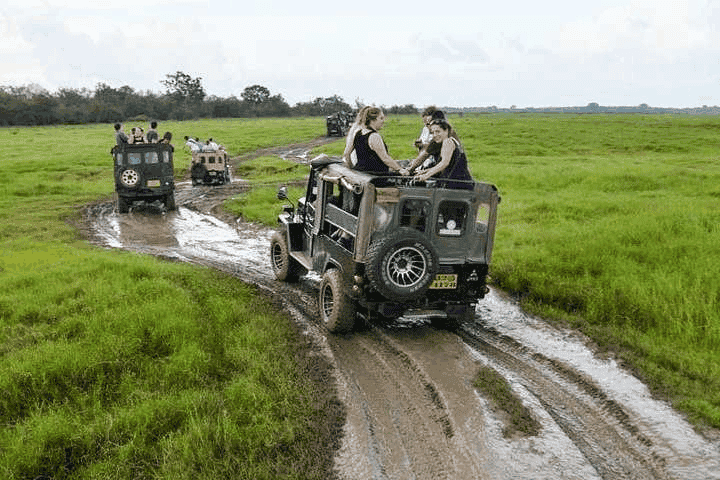
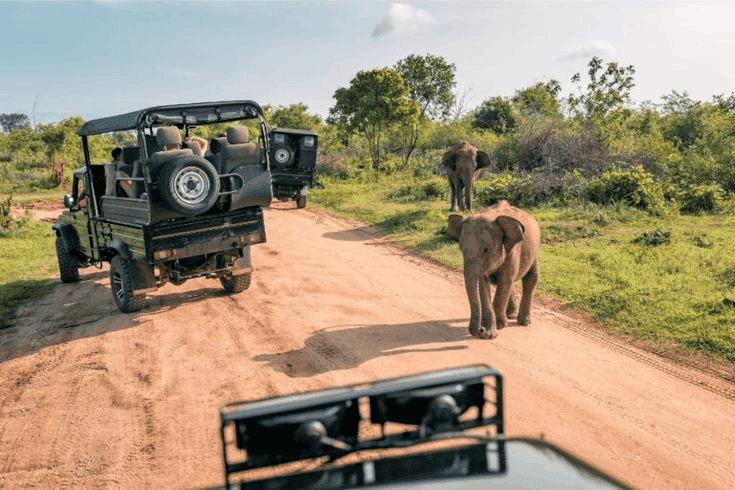
Sri Lanka is one of Asia's finest wildlife safari destinations. Yala National Park in the southeast sees peak leopard and sloth bear sightings during the dry season from February to July, when water sources dry up and animals gather around remaining waterholes. Note that Block 1 of Yala typically closes for annual maintenance and drought recovery in September and October. During this time, Wilpattu National Park in the northwest and Udawalawe National Park offer superb elephant sightings without interruption. Minneriya National Park hosts 'The Gathering'—the largest annual assembly of Asian elephants in the world—during the dry months of August and September.
Whale Watching and Marine Encounters
Blue whales, sperm whales, and large pods of dolphins migrate along Sri Lanka's continental shelf according to ocean monsoon currents. On the south coast off Mirissa, whale watching tours operate from November to April when sea conditions are smooth. On the east coast near Trincomalee, the marine season runs from May to October. Kalpitiya on the northwest coast offers exceptional dolphin watching and kitesurfing from December to April.
Wellness and Hill Country Journeys
Sri Lanka was ranked as a top trending wellness destination for 2026 by BookRetreats.com, reflecting huge growth in traveler interest for traditional Ayurveda retreats. The serene hill country and tranquil southern beachfronts provide peaceful surroundings for holistic retreats year-round. Scenic rail trips between Kandy, Nanu Oya, and Ella are enjoyable in any month, though morning train rides offer the clearest mountain views before afternoon clouds roll in across the valley.
blockquote>Local tip: Rain during Sri Lanka's monsoon seasons rarely falls as continuous heavy downpours all day. It usually arrives as short, localized afternoon showers. Travelling with a dedicated local driver-guide gives you the flexibility to adjust your itinerary each day and capitalize on sunny morning hours.4. Month-by-Month Guide to Planning Your TourWhether you are planning a winter sun getaway, a summer family vacation, or a romantic honeymoon, matching your travel month with the correct geographical route is critical for a smooth trip.
December to February (Peak Winter Season)
This is Sri Lanka's busiest travel season. The south and west coasts feature glorious sunshine, calm turquoise oceans, and warm breezes. The Cultural Triangle and hill country enjoy pleasant, bright days. International travelers from Europe, North America, and Australia flock to the island during these months. As of November 2026, air access is boosted by British Airways operating thrice-weekly seasonal flights between London Gatwick and Colombo, making winter escapes even more convenient.
March to April (Spring Transition & Avurudu)
March and April deliver hot, dry weather across most of the island. Sea conditions remain calm around the southern and western coasts, while eastern beaches start warming up. April brings the festive celebrations of Sinhala and Tamil New Year (Avurudu), filling villages with traditional games, delicious sweetmeats, and rich cultural traditions.
May to August (Summer Season & East Coast Peak)
While European travelers experience summer, Sri Lanka's eastern shores come alive. Pasikudah offers crystal-clear, shallow waters ideal for families, while Trincomalee provides world-class diving and marine tours. Up in the Cultural Triangle, dry conditions make exploring Sigiriya Fortress and Minneriya National Park smooth and rewarding.
September to November (Autumn Shoulder Season)
September and October offer quieter travel with fewer crowds and excellent value across luxury boutique hotels and safari lodges. November marks the start of the winter season as southern beaches dry out and clear skies return to Mirissa and Galle.
5. Practical Travel Logistics and Visa InformationNavigating the seasons in Sri Lanka is straightforward when you have accurate entry requirements and logistical details in hand.
As of November 2026, passport holders from 40 countries receive a free 30-day tourist ETA (Electronic Travel Authorization). This ETA allows double entry within its 30-day validity window; if you make a second entry, it utilizes the remaining days of your initial 30 days. Obtaining an ETA before travel remains mandatory for all international visitors, and travelers should always verify their eligibility and submit applications via the official government ETA portal before departing. Extensions beyond the initial 30-day period incur standard processing fees.
Flight routes and schedules across Gulf hubs can adjust periodically due to global factors; always check directly with your airline when confirming long-haul flight itineraries. On the ground, private transfers with experienced driver-guides eliminate transit friction, allowing you to move comfortably between microclimates in air-conditioned vehicles.
Plan It with Zephyra TravelsAt Zephyra Travels, our local travel experts craft personalized multi-day circuits that adapt seamlessly to Sri Lanka's seasonal patterns. Operating as part of Zephyra Group, our local team pairs insider weather knowledge with verified private drivers and handpicked luxury accommodations to guarantee an effortless island holiday.
Ready to experience the perfect coastal weather and hill country adventures matched to your travel dates? Explore our tailor-made Sri Lanka tour packages and let our experts design your dream tropical itinerary today.