When Is the Best Season to Visit Sri Lanka? A Local Operator's Guide
The best season to visit Sri Lanka is from December to April if you are traveling to the south coast, west coast, and Cultural Triangle, while May to September is the primary dry season for the east coast. Because Sri Lanka experiences two separate monsoons affecting opposite sides of the island, there is always a warm, sunny region to explore no matter what month you choose for your vacation.
At a Glance- December to April: Peak dry season for popular southwest beaches (Galle, Mirissa, Bentota), hill country, and Cultural Triangle.
- May to September: Ideal dry weather for east coast beaches (Trincomalee, Arugam Bay, Pasikudah) and northern cultural sites.
- October and November: Inter-monsoonal period with unpredictable afternoon showers nationwide, offering lower accommodation rates and fewer crowds.
- As of November 2026: Passport holders from 40 nations qualify for a free 30-day tourist ETA prior to arrival, helping boost island visitors beyond 2 million for the year.
- Flight Connectivity: Direct routes like British Airways' winter service from London Gatwick to Colombo complement major Middle Eastern hubs.
Planning a trip around the best season to visit Sri Lanka requires understanding how the island's weather works. Unlike destination countries with unified weather patterns, Sri Lanka's central mountain massif creates micro-climates affected by two separate monsoons. When one side of the island receives seasonal rain, the opposite coast enjoys clear skies and calm waters.
The Maha monsoon delivers rain to the northeast between November and February, while the Yala monsoon brings moisture to the southwest from May to August. Between these two main seasons, inter-monsoonal periods in October and April can produce localized rain showers, usually occurring in the late afternoon. This regional split ensures that you can design a high-quality island circuit at any time of the year by selecting the correct coastline and internal transfers.
1. Winter Peak Season: December to AprilLocal tip: Do not let general rain forecasts for "Sri Lanka" intimidate you. A stormy week in Colombo usually means calm, dry seas in Trincomalee, while heavy downpours in Pasikudah coincide with prime beach weather in Unawatuna.
The winter months represent the traditional high season for inbound Sri Lanka tourism. The southwest monsoon has fully cleared, yielding dry days, warm temperatures averaging 28°C to 32°C, and tranquil ocean conditions ideal for swimming, snorkeling, and whale watching.
South and West Coasts
Coastal areas from Negombo and Bentota down through Galle, Weligama, and Tangalle experience their finest weather. Sea conditions are calm, making ocean entry safe across public beaches and hotel bays. This is also the premier window for blue whale watching excursions departing from Mirissa.
Hill Country and Tea Plantations
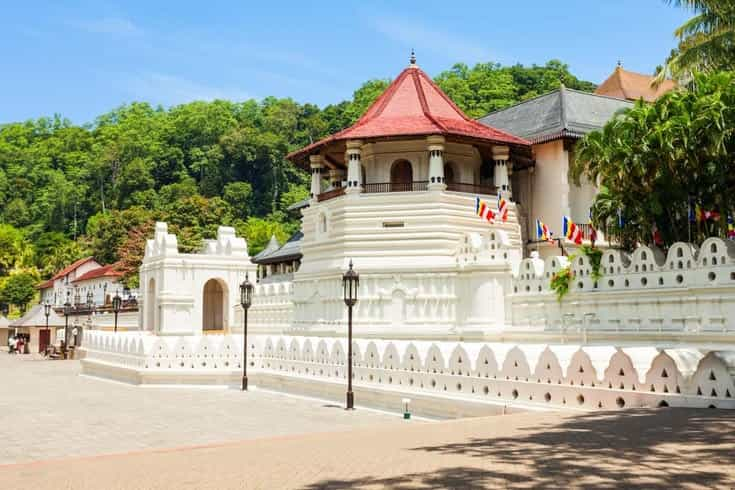
High-altitude towns including Kandy, Nuwara Eliya, and Ella see crisp mornings and clear afternoons between December and March. Walking sections of the scenic Pekoe Trail or hiking to Little Adam's Peak yields sharp panoramic views of surrounding valley floors before mild evening fog settles over mountain ridges.
Cultural Triangle and Safaris
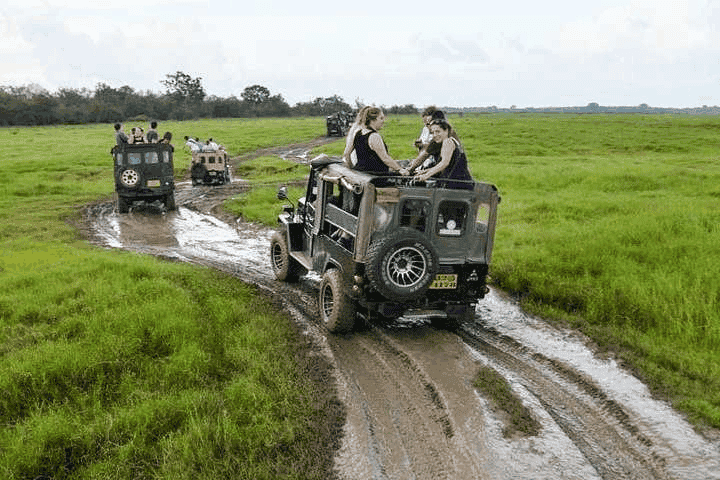
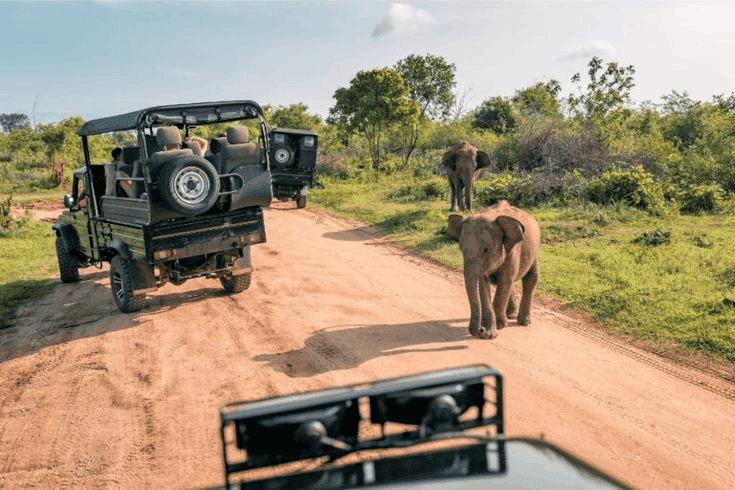
Ancient sites like Sigiriya, Anuradhapura, and Polonnaruwa offer comfortable walking conditions during morning hours. Wildlife reserves including Yala National Park, Udawalawe, and Wilpattu feature clear trails and concentrated animal sightings around shrinking waterholes.
2. Summer Dry Season: May to SeptemberTravelers visiting between May and September can avoid peak crowds while enjoying peak weather along the eastern shore. While southwest regions experience monsoon rain, the eastern half of the island remains bright, sun-drenched, and dry.
East Coast Beaches
Trincomalee, Nilaveli, Pasikudah, and Arugam Bay offer glassy waters and uninterrupted sunshine. Ocean activity shifts from the south to the east, with Nilaveli serving as the hub for snorkeling trips around Pigeon Island National Park and Arugam Bay hosting international surfing events.
Northern Heritage and Jaffna Peninsula
The dry climate extends north to Jaffna and the surrounding islands. Culture-focused routes combining the ancient ruins of Polonnaruwa with northern Tamil heritage sites benefit from minimal rainfall and low humidity during these mid-year months.
The Minneriya Elephant Gathering
During the dry months of July, August, and September, hundreds of wild Asian elephants aggregate around the recession shoreline of Minneriya Lake in the Cultural Triangle. This seasonal migration is recognized as one of Asia's greatest wildlife spectacles.
3. Inter-Monsoonal Months: October, November, and MayThe transitional months between major monsoon cycles bring variable weather patterns across the island. Rather than continuous daily rain, these periods typically bring sun-filled mornings followed by brief, heavy afternoon thunderstorms.
Traveling during inter-monsoonal periods offers substantial value for budget-conscious travelers and photography enthusiasts. Luxury boutique hotels and private wildlife tours frequently run seasonal promotions, and famous cultural monuments like the Sigiriya Rock Fortress see shorter queues.
Regional Season ComparisonTo help you select the precise destination for your travel dates, review this regional weather snapshot before setting your itinerary sequence:
South Coast (Galle, Mirissa)December to AprilMay to SeptemberWhale watching, safe swimming, beach diningEast Coast (Trincomalee, Pasikudah)May to SeptemberOctober to JanuarySnorkeling, calm waters, world-class surfingCultural Triangle (Sigiriya, Dambulla)January to SeptemberOctober to DecemberClimbing rock forts, Elephant GatheringHill Country (Nuwara Eliya, Ella)December to MarchOctober to NovemberScenic train rides, tea plantation hikesWest Coast (Colombo, Bentota)December to AprilMay to SeptemberRiver safaris, water sports, city diningSeasonal Wildlife and Activity CalendarAligning your main activity preferences with local climate shifts ensures superior travel outcomes. Consider these key operational windows when planning your daily schedule:
- Mirissa Whale Watching: Operates smoothly from November through April when ocean swells remain low.
- Pigeon Island Snorkeling: Best accessed from May to September for maximum water clarity and coral visibility.
- Yala Leopard Safaris: Excellent year-round, with dry dusty trails from June to September highlighting big cat tracks near water sources.
- Pekoe Trail Trekking: Best completed from January to March, when trail conditions are firm and high country rainfall is minimal.
Navigating Sri Lanka's micro-climates is effortless when you have expert local support on the ground. As part of Zephyra Group, our Colombo-based team closely monitors weather reports, road updates, and wildlife movements across all provinces. We match your travel dates to the ideal coastal stretch and cultural sights, pairing you with dedicated, professional English-speaking private driver-guides in air-conditioned vehicles.
Whether you want a sunny winter escape along the southern shores or a summertime wildlife circuit, we design tailored circuits that maximize dry weather. To begin crafting your seamless island itinerary, explore our wide range of private Sri Lanka tour packages and let our travel specialists handle every detail of your journey.