When to Travel to Sri Lanka: A Complete Regional Climate and Season Guide
The best time to visit Sri Lanka is year-round because the island experiences two opposing monsoon systems that ensure sunny weather somewhere on the island during every month of the year. For the south coast, west coast beaches, and central hill country, the peak dry season runs from December to April, whereas the east coast and northern peninsula enjoy sunny skies and calm seas from May to September.
Understanding these regional weather patterns allows travelers to select the perfect itinerary regardless of when they plan to visit. Whether you are searching for sun-drenched beaches in Galle, jeep safaris in Yala National Park, high-altitude hikes around Ella, or cultural explorations in Sigiriya, choosing your travel months around Sri Lanka’s unique microclimates ensures smooth journeys and optimal outdoor conditions.
At a Glance- West & South Coasts (Bentota, Galle, Mirissa): Best from December to April for sunbathing, whale watching, and calm ocean swimming.
- East & North Coasts (Trincomalee, Pasikudah, Jaffna): Ideal from May to September for warm waters, diving, and surfing.
- Cultural Triangle (Sigiriya, Dambulla, Anuradhapura): Mostly dry from January to September, with warm daytime temperatures.
- Central Hill Country (Kandy, Nuwara Eliya, Ella): Coolest and driest from January to March, though brief afternoon mists occur throughout the year.
- Wildlife Safaris (Yala, Wilpattu, Udawalawe): Year-round viewing, with February to July offering prime waterhole sightings in Yala and Wilpattu.
Sri Lanka’s tropical climate is defined by two major monsoon seasons and two brief inter-monsoonal periods. Because a high central mountain massif rises in the center of the island, rain-bearing winds drop their moisture on one side of the mountains while leaving the opposite side dry and sunny. This natural barrier creates distinct microclimates across relatively short driving distances.
The southwest monsoon, locally known as the Yala monsoon, brings heavy rains and rough ocean currents to the southwestern and southern regions between May and September. During this period, the northeastern half of the island remains dry, warm, and sunny. Conversely, the northeast monsoon, known as the Maha monsoon, brings rain to the east, north, and ancient Cultural Triangle cities from October to January, leaving the south and west coasts sheltered and sunny.
As of November 2026, travel trends show growing demand for flexible multi-region itineraries. Travelers can seamlessly transition between climate zones in a single trip, provided their ground routing accounts for seasonal wind shifts. Direct air access has expanded significantly, including British Airways operating seasonal flights from London Gatwick to Colombo, making winter travel planning smoother than ever.
Best Time to Visit by Region1. South and West Coasts – Best for Winter Escapes
The south and west coasts represent Sri Lanka’s classic beach circuit, stretching from Negombo and Colombo down through Bentota, Hikkaduwa, Galle, Unawatuna, Weligama, and Tangalle. The prime travel window for this coastline spans from December through April, when offshore breezes create smooth blue waters and minimal rainfall.
During these months, coastal temperatures typically range between 27°C and 31°C. Sea conditions are calm, ideal for swimming, stand-up paddleboarding, and snorkeling. Blue whale watching tours operating out of Mirissa reach their operational peak from December through March, as migrating pods feed in the deep continental shelf waters just offshore.
2. East and North Coasts – Best for Summer Sunshine
Travelers visiting between May and September will find paradise along Sri Lanka’s eastern shore. Coastal towns such as Trincomalee, Nilaveli, Pasikudah, and Arugam Bay enjoy clear blue skies, dry weather, and glassy seas while the west coast experiences its wet season.
Trincomalee’s Nilaveli Beach offers world-class marine conditions for coral reef snorkeling around Pigeon Island during the northern summer. Meanwhile, Arugam Bay on the southeast coast transforms into a international surfing hub, attracting longboarders and point-break surfers from around the globe between May and August.
3. Central Hill Country and Cultural Triangle – Year-Round Highlights
The central highlands, including Nuwara Eliya, Hatton, and Ella, sit at elevations between 1,000 and 1,800 meters above sea level. This elevation creates a cooler, temperate microclimate where daytime temperatures hover between 15°C and 22°C. The dry window for trekking the Pekoe Trail or riding the scenic train from Kandy to Ella is longest between January and April.
The Cultural Triangle, encompassing Sigiriya Rock Fortress, Dambulla Cave Temple, and the ancient cities of Polonnaruwa and Anuradhapura, sits in the dry zone. While it receives monsoon rains from October to December, daytime exploration is comfortable throughout the rest of the year, particularly during early morning climbs when humidity is low.
Best Time to Visit Sri Lanka by Travel InterestWildlife Safaris and Elephant Gatherings
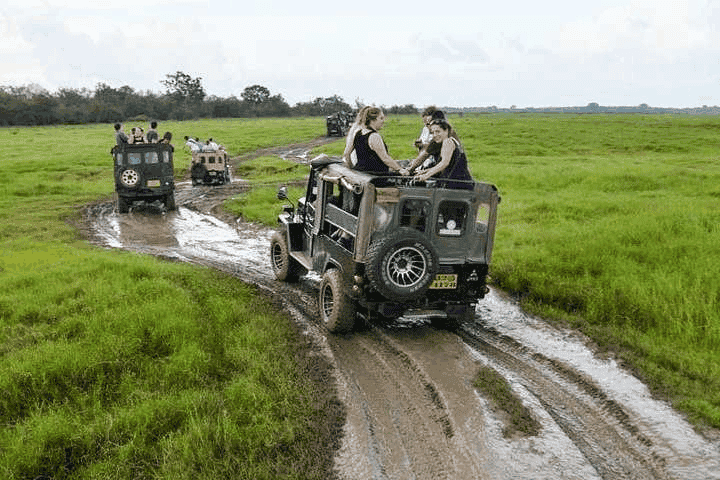
National parks across Sri Lanka deliver rewarding game drives in all seasons, but timing dictates which animals you are most likely to spot. Yala National Park and Wilpattu National Park offer the highest leopard density, with dry conditions from February to July concentrating wildlife around remaining waterholes.
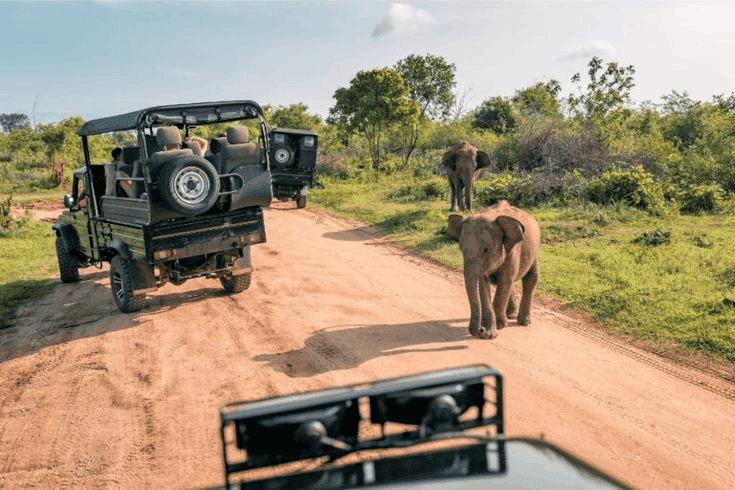
For elephant lovers, Minneriya and Kaudulla National Parks feature the famous Gathering of Elephants. Between August and October, hundreds of wild Asian elephants congregate around drying reservoir beds to feed on fresh grass. Udawalawe National Park provides reliable elephant sightings year-round due to its permanent reservoir ecosystem.
Surfing and Coastal Water Sports
Sri Lanka is one of South Asia’s premier surf destinations, offering two distinct surfing seasons depending on the coast. The south coast surf season runs from November to April, centered around breaks in Weligama, Ahangama, Hiriketiya, and Hikkaduwa. Beginners and intermediate surfers benefit from soft beach breaks and consistent swells during these months.
From May to October, the surf action shifts entirely to the east coast. Arugam Bay features world-famous right-hand point breaks, while nearby spots like Main Point, Whiskey Point, and Peanut Farm cater to various skill levels under dry summer skies.
Wellness, Ayurveda, and Scenic Escapes
Sri Lanka has gained widespread recognition as a leading global wellness destination, with platforms like BookRetreats.com highlighting its top trending growth in wellness travel for 2026. Dedicated Ayurveda retreats located in Beruwala, Wadduwa, and the central hills operate throughout the year.
The rainy shoulder months of October and November, often less crowded at major resorts, provide a tranquil setting for extended wellness programs, yoga retreats, and holistic body treatments surrounded by lush green foliage.
Month-by-Month Sri Lanka Weather BreakdownPlanning your trip month by month helps align your specific travel dates with regional sun patterns and wildlife spectacles across the island.
Dec – Feb South, West, Hill Country Dry, warm, clear blue skies Whale watching, beach season Mar – Apr All Regions (Island-wide) Hot, dry, calm seas Cultural Triangle climbs May – Jun East Coast, North Sunny East, wet West coast Trincomalee snorkeling Jul – Aug East Coast, Cultural Triangle Dry East, warm inland Kandy Esala Perahera Sep – Oct East, Minneriya, Safaris Transition period, scattered rain Elephant Gathering Nov South & West (Early season) Inter-monsoon clearing Lush green landscapes- December to February: Peak winter season for European and long-haul travelers. Sunny conditions prevail across Colombo, Galle, Bentota, Yala, and the hill country. Book luxury stays early due to high demand.
- March to April: Warmest months of the year island-wide with calm waters on all coasts. April marks the festive Sinhala and Tamil New Year across Sri Lanka.
- May to June: Southwest monsoon begins, shifting sunshine to Trincomalee, Pasikudah, and Jaffna. Excellent value season for luxury resorts in the east.
- July to August: Popular summer holiday window. Central cultural heritage sites remain warm and dry, while the grand Kandy Esala Perahera festival features illuminated procession walks.
- September to November: Inter-monsoonal season featuring afternoon showers, lush photography conditions, low tourist crowds, and excellent wildlife sightings at elephant reservoirs.
When organizing a Sri Lanka circuit, remember that short geographic distances can mean entirely different weather patterns. Driving from Nuwara Eliya down to the south coast takes roughly four hours, yet moves you from cool high-altitude air to sunny tropical beaches.
Visitors entering Sri Lanka must hold a valid pre-approved Electronic Travel Authorization (ETA). As of May 25, 2026, nationals of 40 countries can obtain a free 30-day tourist ETA. Always verify the latest official ETA portal requirements for your nationality before finalizing flight arrangements.
Local tip: Do not let regional monsoons intimidate your planning. If your vacation falls in June or July, simply build your itinerary around the ancient Cultural Triangle, central tea country, and eastern beaches like Pasikudah or Trincomalee for unbroken sunshine.Plan It with Zephyra Travels
Navigating Sri Lanka’s seasonal weather is effortless when traveling with an experienced local tour operator. At Zephyra Travels, our local travel experts and private English-speaking driver-guides craft tailored, flexible itineraries designed around real-time climate conditions, ensuring you enjoy dry roads and prime sightseeing throughout your journey.
Whether you dream of a winter coastal getaway, a summer family safari, or a custom honeymoon circuit across tea plantations and heritage forts, our team manages all logistics with dedicated local expertise. Explore our fully customizable Sri Lanka private tour packages to start crafting your bespoke island itinerary today.