When Visit Sri Lanka: Complete Seasonal & Region-by-Region Guide
Knowing when visit Sri Lanka depends entirely on which coast or regions you plan to explore, as the island experiences two distinct monsoon seasons that affect opposite sides of the country at different times of year. Generally, the main southwest monsoon makes December through April the ideal window for the west coast, south coast, and hill country, while the northeast monsoon makes May through September the prime period for the east coast and northern plains.
Because Sri Lanka is a year-round destination, there is always a sunny beach, clear safari park, or dry trekking trail open somewhere on the island regardless of the calendar month. By understanding how the monsoons move across the tropical terrain, international travelers can easily build a flexible route that matches local dry seasons and offers ideal holiday conditions.
At a Glance- Peak South & West Coast Season (December to April): Ideal weather for Galle, Bentota, Mirissa, Colombo, and the central Hill Country including Kandy and Ella.
- Peak East Coast Season (May to September): Sunny skies and calm seas in Trincomalee, Pasikudah, and Arugam Bay, alongside dry national park safaris in Minneriya.
- Inter-Monsoon Shoulder Months (October & November): Transition periods featuring brief afternoon showers, reduced crowds, and excellent value across luxury stays.
- Wildlife Opportunities: Blue whale watching operates off Mirissa from December to April and off Trincomalee from May to September.
- Entry Rules Update: As of November 2026, passport holders from 40 eligible nations can secure a free 30-day tourist ETA before traveling.
Sri Lanka’s tropical climate is defined by two major monsoons separated by inter-monsoon intermissions. Unlike standard seasonal destinations that close down completely during rain periods, Sri Lanka simply shifts its peak tourist activity from one half of the island to the other. This geographic split makes deciding when visit Sri Lanka straightforward once your destination list is confirmed.
The Yala Monsoon (Southwest Monsoon) brings moisture from the Indian Ocean to the southwestern half of the island between May and September. Conversely, the Maha Monsoon (Northeast Monsoon) carries rain from the Bay of Bengal into the north and east between October and February. Central mountains create a formidable weather barrier, blocking rainfall from spilling across into the opposite coastal zone.
December to April: West Coast, South Coast & Hill Country Peak WindowLocal tip: Do not let regional rain forecasts deter your island circuit. A light shower in the Hill Country rarely affects coastal sunshine, and afternoon rain in cultural regions usually clears quickly to make way for cool evening breezes.
For most international travelers planning a winter getaway, the period between December and April offers textbook tropical weather across Sri Lanka's popular western and southern circuits. Sea conditions off Bentota, Hikkaduwa, Unawatuna, and Tangalle remain warm and ocean waters stay glassy and ideal for swimming and snorkeling.
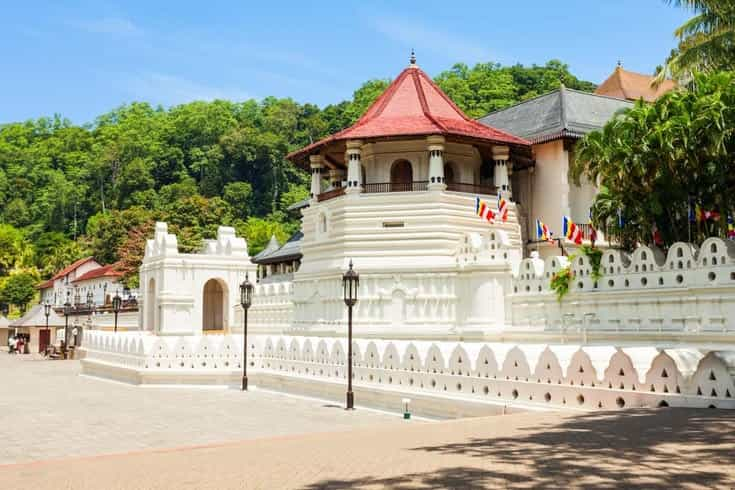
Inland regions like Kandy, Nuwara Eliya, and Ella experience crisp mornings and comfortable daytime temperatures during these months. It is the classic timeframe to ride the iconic tea country train, climb Sigiriya Rock Fortress in clear sunlight, and undertake early morning leopard safaris in Yala and Udawalawe National Parks.
Key Highlights During December to April
- Beach Relaxation: Enjoy serene ocean waters along the golden sand stretches of Galle, Weligama, and Mirissa.
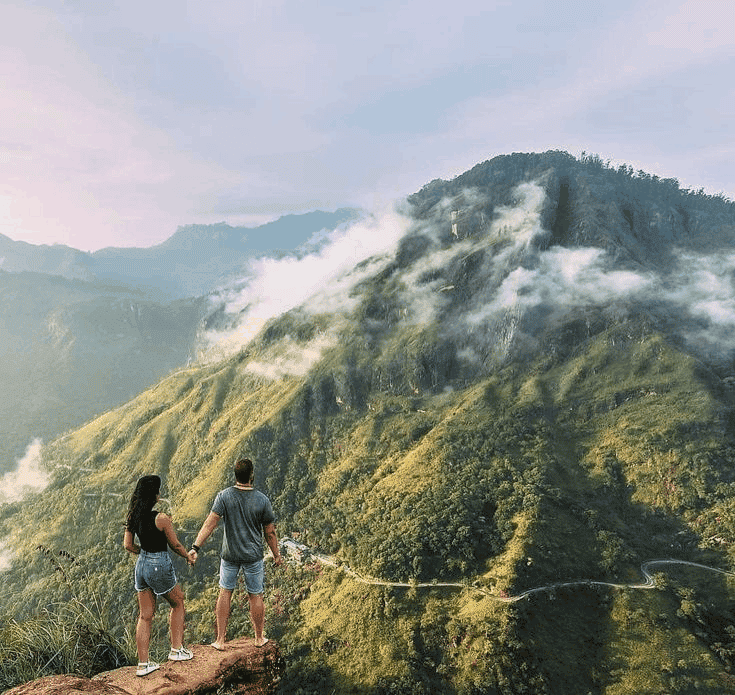
- Tea Country Exploration: Tour colonial tea plantations in Nuwara Eliya and hike Little Adam’s Peak under bright cloudless skies.
- Marine Life Encounters: Join early morning ocean excursions from Mirissa harbor to observe blue whales and spinner dolphins.
- Cultural Heritage: Explore the ancient ruins of Polonnaruwa and Dambulla Cave Temple with minimal rainfall disruption.
When monsoon rains reach the southwestern beaches in May, the eastern coastline blossoms into sunshine and smooth waters. Destinations such as Trincomalee, Nilaveli, Pasikudah, and Arugam Bay become the focal point for beach holidays, scuba diving, and world-class surfing.
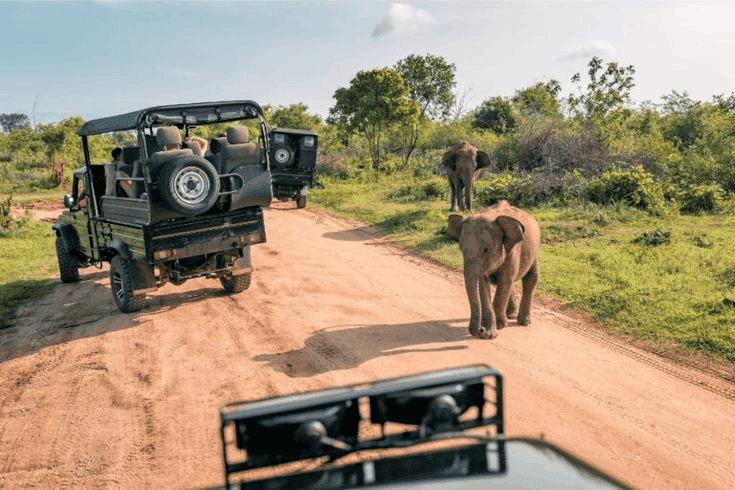
During this timeframe, central regions around Habarana and Minneriya remain warm and dry. The legendary Elephant Gathering takes place in Minneriya National Park between July and September, where hundreds of wild Asian elephants congregate around the ancient reservoir bed in search of fresh green shoots and water.
Top Experiences During May to September
- East Coast Surfing: Catch world-famous right-hand point breaks along the coastal shores of Arugam Bay.
- Diving and Snorkeling: Explore protected coral gardens and marine reserves around Pigeon Island near Trincomalee.
- Wildlife Sightings: Witness hundreds of wild elephants gathered open-air at Minneriya and Kaududulla National Parks.
- Northern Heritage: Discover the rich Tamil history, vibrant colorful kovils, and relaxed island vibe of Jaffna.
October and November mark the island's inter-monsoon phase, when weather patterns transition between major wind systems. During these months, rain showers can happen across various regions, typically manifesting as heavy late afternoon thunderstorms rather than continuous day-long downpours.
Travelers visiting during the shoulder season benefit from quieter UNESCO heritage sites, uncrowded wildlife parks, and lower hotel tariffs. Flexible itineraries arranged with private drivers allow you to adapt daily sightseeing around afternoon rain clouds.
Regional Weather Comparison Throughout the YearSelecting when visit Sri Lanka becomes simpler when comparing regional conditions month by month. The following table provides a quick reference to help align your target destinations with optimal weather conditions across the year.
Dec – FebDry & Sunny (Peak)Rainy (Maha Monsoon)Dry & CoolMostly DryMar – AprHot & Clear (Peak)Transitioning DryWarm & DryWarm & DryMay – JunRainy (Yala Monsoon)Dry & Sunny (Peak)Occasional ShowersDry & WarmJul – AugMixed / Light RainDry & Sunny (Peak)Pleasant & MildDry (Elephant Gathering)Sep – OctInter-monsoon RainTransitioning WetCool & ShoweryPassing ShowersNovTransitioning ClearShowers LikelyCool & DampPassing ShowersHow to Time Your Trip According to Travel InterestsAligning your flight dates with your primary activity list ensures you get the maximum value from your stay in Sri Lanka.
1. Beach Holidays and Coastal Escapes
If clear ocean water and palm-fringed relaxation are your primary goals, align your trip location with the active dry coast. For southern gems like Unawatuna and Mirissa, schedule between December and April. For east coast treasures like Pasikudah and Nilaveli, fly in between May and September.
2. Wildlife Safaris and Whale Watching
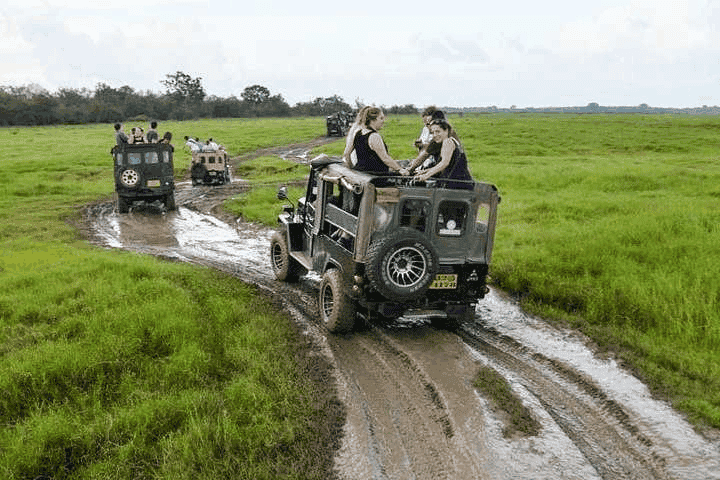
National parks like Yala and Wilpattu provide great leopard and bear sightings throughout most months. However, Yala Block 1 frequently closes for maintenance during late dry season months (typically September). For marine safaris, Mirissa peaks from December to April, whereas Trincomalee marine tours operate at their best between May and September.
3. Cultural Discoveries and Mountain Trekking
Exploring Sigiriya, Dambulla, and Polonnaruwa is comfortable during early morning hours year-round. However, mountain treks along the Pekoe Trail or up Adam's Peak are best enjoyed during clear dry months from December through April, when hiking paths remain firm and mountain viewpoints clear.
Practical Travel Logistics for 2026/2027Travelers planning an island getaway should take note of updated air access options and entry rules before arrival. As of November 2026, British Airways operates a direct seasonal service from London Gatwick to Colombo three times weekly during the winter months, complementing major international carrier routes arriving through Colombo's Bandaranaike International Airport.
Regarding entry requirements, as of November 2026, passport holders from 40 specified nations are granted a free 30-day tourist ETA. This entry approval must still be requested online prior to travel. Travelers should always check the official Sri Lanka ETA portal before departure to confirm current requirements for their nationality.
Plan It with Zephyra TravelsAt Zephyra Travels, our local travel specialists design seamless private circuits tailored specifically around seasonal weather patterns. Having an experienced private driver-guide and air-conditioned vehicle ensures you easily adapt your daily schedule, enjoy comfortable scenic transfers, and experience the real culture of Sri Lanka without stress.
Whether you want a sun-drenched winter beach escape, an east coast surfing trip, or an immersive wildlife adventure, explore our curated private Sri Lanka tour packages and let our team build your ideal island route today.