Understanding Every Sri Lanka Season: Monsoons, Microclimates, and Regional Travel
Navigating the Sri Lanka season cycle requires understanding that this tropical island experiences two distinct monsoons affecting opposite coasts at different times of the year. Because of this unique dual-climate system, there is always a dry, sunny coast or national park ready for exploration regardless of the month you plan your trip.
While winter travelers flood the south and west coasts, summer travelers enjoy clear skies along the quiet eastern shores. By matching your travel dates with the correct regional microclimate, you can secure peaceful ocean swims, excellent safari visibility, and pleasant tea plantation walks throughout the year.
At a Glance- Dual Monsoon Pattern: The Yala monsoon brings rain to the south and west (May to September), while the Maha monsoon hits the north and east (October to January).
- Peak Southwest Season: December to April offers dry, sunny conditions for Galle, Mirissa, Bentota, and Colombo.
- Peak East Coast Season: May to September features calm seas and ideal diving in Trincomalee, Arugam Bay, and Pasikudah.
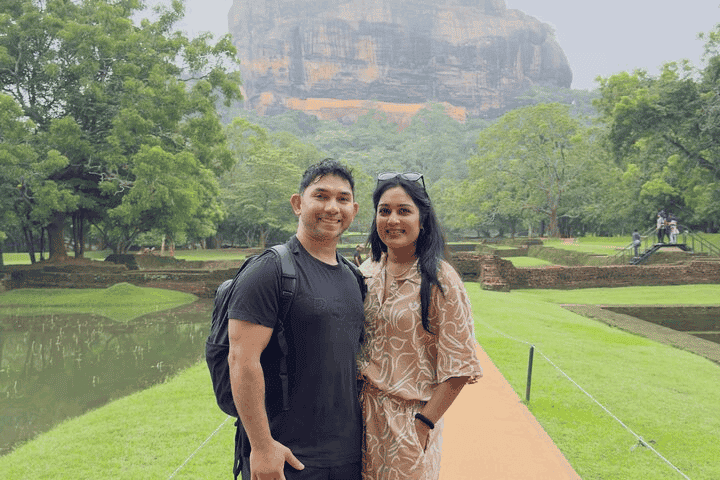
- Cultural Triangle Resilience: Dambulla, Sigiriya, and Anuradhapura remain relatively dry most of the year, making heritage touring convenient in every season.
- Year-Round Wildlife Options: Safari conditions shift between parks like Yala, Wilpattu, and Udawalawe based on water levels and seasonal animal movements.
The Yala monsoon season runs from May through September, bringing heavy afternoon rainfall and rough sea conditions to the southwestern side of the island. During these months, moisture-laden winds blow across the Indian Ocean, delivering significant precipitation to coastal hubs like Galle, Hikkaduwa, and Bentota, as well as the central highlands surrounding Nuwara Eliya and Hatton.
However, the Yala monsoon rarely brings non-stop rain all day. Tropical showers usually arrive in short, intense bursts during late afternoon or evening, leaving mornings bright and suitable for sightseeing. Travelers visiting the west and south during this window benefit from lower boutique hotel rates, tranquil atmosphere, and lush green landscapes.
What to Expect on the South and West Coasts
Between May and September, red flags are often placed on southwestern beaches due to strong currents and high waves. Beach lovers during this period should focus their itineraries on swimming pools or head eastward to regions where ocean waters remain mirror-calm.
2. The Maha Monsoon: Northeast Season BreakdownThe Maha monsoon controls the weather from October through January, bringing rainfall to the northern, eastern, and north-central provinces. During this period, areas such as Trincomalee, Batticaloa, Arugam Bay, and Jaffna experience their principal wet season, alongside parts of the Knuckles Mountain Range.
As of November 2026, understanding this seasonal rotation helps international visitors select their ideal coast. While the east coast pauses its ocean activities during Maha, the south and west coasts emerge into prime beach weather, featuring crystal-clear waters and smooth seas from early December onward.
Inter-Monsoonal Periods and Shoulder Seasons
March, April, and October act as inter-monsoonal transition months. March and April are among the warmest months island-wide, bringing calm seas to both coasts and ideal conditions for whole-island road trips. October brings variable weather across the island before the Maha monsoon establishes itself in the north.
3. Regional Weather Breakdown: Coastal and Hill Country SeasonsBecause Sri Lanka's central mass rises above 2,000 meters, mountain ranges act as a natural weather divider. Below is a complete seasonal overview across the primary travel zones to help you plan your route effectively.
South Coast (Galle, Mirissa)December – AprilMay – SeptemberWhale watching, surfing, beach resortsExcellent (Dec–Apr)West Coast (Colombo, Negombo)December – AprilMay – SeptemberCity tours, coastal dining, lagoon toursExcellent (Dec–Apr)East Coast (Trincomalee, Arugam)May – SeptemberOctober – JanuaryScuba diving, surfing, quiet beach staysExcellent (May–Sep)Cultural Triangle (Sigiriya, Kandy)January – SeptemberOctober – DecemberAncient ruins, rock fortress climbsGood year-roundCentral Hills (Nuwara Eliya, Ella)January – AprilOctober – NovemberTea factory visits, scenic train ridesBest (Jan–Apr)4. Wildlife and Safari Seasons Across the National ParksSri Lanka stands as one of South Asia's richest wildlife hubs, but park conditions fluctuate according to regional water availability. Planning your safari during the dry months for a specific park maximizes game viewing, as animals gather around shrinking waterholes.
Yala and Udawalawe National Parks
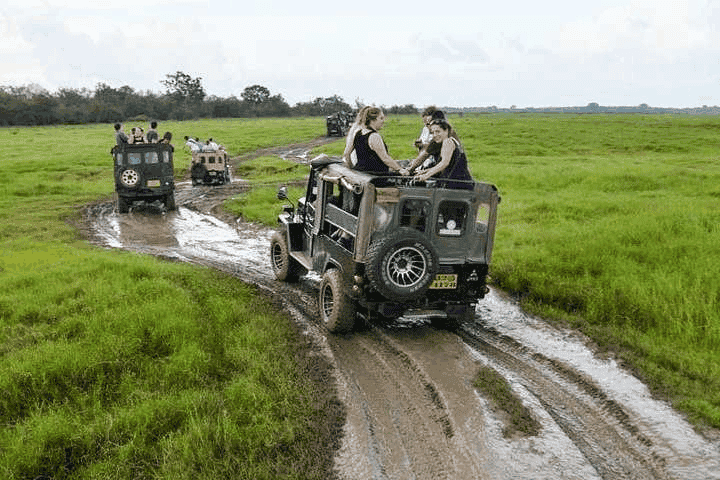
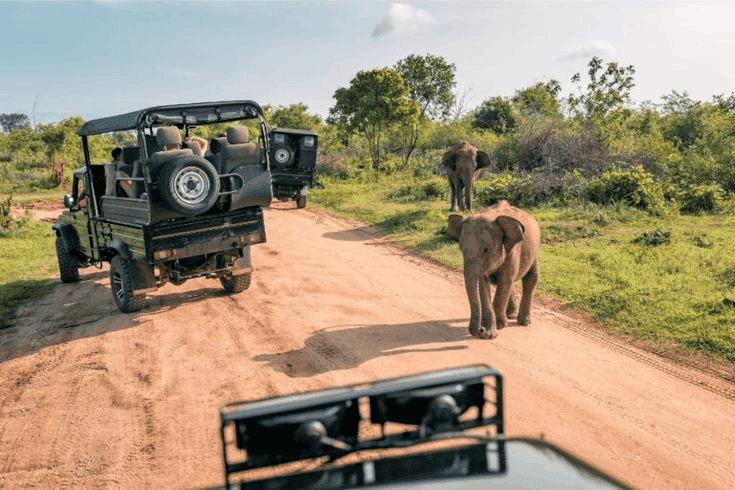
Located in the southeast, Yala and Udawalawe experience their driest period between June and September. As water sources dry up inside the scrub forest, leopard and elephant sightings peak around remaining waterholes. Note that Yala Block 1 typically closes for annual maintenance during September or October, during which nearby Udawalawe or Bundala National Parks serve as excellent alternatives.
Wilpattu National Park
Situated in the northwest dry zone, Wilpattu features natural sand-rimmed water basins called villus. The park receives main rainfall during the Maha monsoon (October to December). Visiting Wilpattu between February and October rewards travelers with dense forest scenery, active sloth bear sightings, and lower jeep congestion compared to southern parks.
The Elephant Gathering at Minneriya
From July through October, dry weather in the North Central Province causes water levels in the ancient Minneriya Reservoir to recede. Fresh grass shoots sprout along the exposed lakebed, drawing hundreds of Asian elephants from surrounding sanctuaries. This phenomenon, known as 'The Gathering', represents one of the world's greatest wildlife spectacles.
5. How to Plan Your Route Around the Sri Lanka Season CycleTo craft an itinerary that offers pleasant weather throughout your journey, structure your geographical sequence based on the calendar month.
- Identify Your Travel Month: Determine whether your trip falls in the winter peak (December–April) or the summer period (May–September).
- Select Your Beach Anchor: Choose south/west beaches like Tangalle or Bentota for winter trips, or east coast spots like Nilaveli or Passikudah for summer travel.
- Integrate the Hill Country: Include Kandy, Ella, or Nuwara Eliya during morning hours, taking advantage of standard mountain clear spells before soft afternoon mists settle in.
- Match Safaris with Regional Dry Spells: Choose Minneriya in late summer, Yala in mid-year dry months, or Udawalawe for year-round elephant sightings.
- Verify Local Entry Requirements: Ensure your arrival paperwork is completed online before departure for smooth airport transit.
6. Visa Rules and Flight Access UpdateLocal tip: Don't avoid Sri Lanka during shoulder or monsoon months. Rainfall often occurs in brief evening thunderstorms, leaving morning temperatures comfortably cool and major UNESCO sites far less crowded.
Planning your travel around the Sri Lanka season also requires staying updated on entry regulations. As of May 2026, nationals of 40 countries are eligible for a free 30-day tourist ETA with double-entry privileges within that 30-day window. While the entry fee is waived for these eligible nationalities, holding an approved ETA remains mandatory before boarding your flight. Travelers should always check the official ETA portal to verify current rules for their country.
Air connectivity remains strong for peak winter travel. British Airways launched direct flights between London Gatwick and Colombo in late October 2026, running three weekly services for the winter season. With flight schedules subject to occasional operational updates, travelers should reconfirm connection times directly with their airlines before departure.
Plan It with Zephyra TravelsNavigating seasonal nuances, private transfers, and mountain transit becomes stress-free when supported by verified local experts. Zephyra Travels provides dedicated private vehicle touring across all regions of Sri Lanka. Our licensed English-speaking driver-guides adjust daily driving schedules around localized weather patterns, ensuring you visit viewpoints during optimal morning light and reach coastal hotels safely.
Whether you are seeking a winter sun journey along southern beaches or a summer wildlife and eastern coast expedition, explore our tailored itineraries on our Sri Lanka tour packages page to start designing your ideal private holiday with our local Colombo team today.