The Complete Mirissa Travel Guide: South Coast Beaches, Whales, and Private Touring
Our comprehensive Mirissa travel guide provides everything you need to experience Sri Lanka's premier southern coastal hub, from spotting migrating blue whales on the Indian Ocean to navigating quiet bays, clifftop coconut groves, and fresh seafood restaurants. As a licensed local tour operator, our local guides and drivers spend months every year escorting international guests through these coastal roads, helping travelers discover both iconic ocean vistas and quiet, uncrowded corners away from the main tourist strip.
As of November 2026, Sri Lanka has welcomed over 2 million international visitors year to date, with the vibrant south coast entering its dry winter peak from late November through April. Whether you are building a two-week winter circuit or seeking an active beach break between wildlife safaris and hill country train rides, Mirissa offers an ideal base when planned with local timing and regional insight.
At a Glance- Primary Appeal: Marine wildlife safaris, golden swimming bays, scenic ocean headlands, surf access, and vibrant beachfront dining.
- Best Travel Season: December through April delivers calm blue seas, sunny skies, and peak whale-watching conditions.
- Ideal Duration: 2 to 4 nights to explore Mirissa town, Secret Beach, marine tours, and nearby southern historic sites without rushing.
- Getting Around: Private chauffeured vehicle is ideal for smooth luggage transfers and regional day trips; local tuk-tuks suit short town hops.
- Key Combinations: Seamlessly pairs with historic Galle Fort, Udawalawe National Park, or multi-week circuits like our Sri Lanka 12-Day Itinerary with Private Driver: Winter Route.
Mirissa serves as the south coast's geographic and experiential anchor because it balances relaxed coastal atmosphere with direct access to marine safaris, intermediate surf breaks, and cultural day trips. Situated between Matara and Weligama, it offers far more scenic coastline than commercial transport hubs while retaining easy connectivity to expressways and inland safari reserves.
Unlike more secluded coves in the deep south that lack dining variety, or heavy party strips where tranquility is impossible to find, Mirissa allows you to switch moods in minutes. You can spend a quiet morning sipping king coconut water on a protected reef cove, embark on a respectful morning whale-watching expedition, photograph sweeping Indian Ocean panoramas from iconic headlands, and settle into a candlelit seaside table serving grilled red snapper by dusk.
For international visitors arriving during the northern hemisphere winter, Mirissa represents the classic Sri Lankan coastal dream: gentle turquoise waves, swaying coconut palms, friendly coastal village communities, and warm tropical breezes. Planning your visit requires understanding how the seasonal monsoons dictate ocean swells and which parts of town suit your travel style.
Top Things to Do in MirissaThe top things to do in Mirissa include blue whale watching in deep pelagic waters, hiking to the panoramic summit of Coconut Tree Hill, exploring secluded coves, and enjoying fresh local seafood. Sequencing these activities across your stay ensures you experience the best sea conditions in the morning and avoid midday heat.
1. Blue Whale Watching Expeditions - Best for Marine Wildlife Lovers
Sri Lanka's southern continental shelf drops rapidly into deep oceanic trenches just a few nautical miles off Mirissa's harbor, creating a nutrient-rich upwelling that attracts blue whales, sperm whales, spinner dolphins, and occasionally orcas. The prime whale-watching window runs from December to April, when the sea is at its calmest and sightings are most consistent.
To enjoy this responsibly, always select vessels that adhere to wildlife protection guidelines: maintaining a respectful distance from cetaceans, cutting engines to prevent propeller strikes, and never corralling marine pods. Tours depart Mirissa Harbour at approximately 06:00 to 06:30, as offshore winds and sea chop typically increase by late morning. We recommend taking motion-sickness precautions the night before if you are prone to seasickness, as ocean swells remain rolling even on calm days.
2. Coconut Tree Hill - Best for Sunrise Photography and Coastal Panoramas
Coconut Tree Hill is a distinctive reddish-terracotta clifftop jutting directly into the ocean on Mirissa's eastern perimeter, crowned with a dense grove of slender coconut palms angled gracefully against the skyline. The promontory overlooks the breaking swells of Mirissa Bay to the west and the open Indian Ocean to the south.
Because this location has become celebrated worldwide, visiting at sunrise (between 05:45 and 06:30) is the best way to enjoy its tranquil magic before tour groups arrive. The morning light casts a warm pink and golden glow across the red earth and turquoise sea, providing breathtaking photography conditions without the harsh midday glare. Footwear with reliable grip is recommended, as the red clay path can be slick with early morning dew or after a light coastal shower.
3. Secret Beach - Best for Secluded Swimming and Natural Rock Pools
Tucked behind a steep headland on the western edge of town, Secret Beach is actually a cluster of small, picturesque coves surrounded by dense jungle vegetation and volcanic rock formations. While no longer completely secret, it retains an intimate, rustic character distinctly different from the sprawling main Mirissa beach.
The beach is divided into a tiny lagoon protected by a natural coral reef barrier—ideal for calm paddling and snorkeling—and a scenic cove where rolling waves crash onto granite boulders. Access involves navigating a steep, narrow dirt lane where standard vehicles cannot pass; travelers can walk 15 to 20 minutes from the main road or hire a local three-wheeler. We suggest arriving before 10:00 to secure shade beneath the coastal trees and enjoy the clearest water for swimming.
4. Parrot Rock - Best for Sunset Views Across Mirissa Bay
Parrot Rock is a rocky outcrop rising directly out of the shoreline near the center of Mirissa Beach, accessible on foot via a sandy spit during low tide. A set of rough stone and bamboo-railed steps climbs to the plateau summit, offering an elevated 360-degree vantage point over the curving golden beach, swaying palm borders, and colorful catamaran fishing boats.
Timing your walk around the tide is critical: during high tide, waves surge across the connecting sandbar with sufficient force to knock an unalert walker off balance. Visiting in the late afternoon lets you watch the sun sink below the western horizon while fishing boats motor out from the harbour for night runs. Avoid attempting the climb in stormy weather or when heavy surf wraps around the rocks.
5. Surfing at Mirissa Point and Weligama Bay - Best for Active Travelers
Mirissa Point features a reputable right-hand reef break on the eastern end of the bay that caters well to intermediate and advanced surfers during winter swells. The ride is fast, breaking over a shallow reef with sea urchins, meaning beginners should avoid this specific point break.
Fortunately, neighbouring Weligama Bay sits just 10 minutes to the west, presenting one of the finest beginner and intermediate sand-bottom surf beaches in Asia. With gentle, rolling whitewater and dozens of licensed surf schools staffed by patient local instructors, it offers the safest setting to catch your first wave before returning to Mirissa's tranquil dining scene for the evening.
Best Season and Weather to Visit MirissaLocal tip: To avoid rough ocean conditions on marine tours, always book your whale watching outing on the first full morning of your stay. If early morning winds or swell make the crossing unsuitable, our private driver-guides can effortlessly reschedule the marine safari to the following morning and shift your coastal exploration forward.
The best time to visit Mirissa is between December and April, when the southwest coast experiences its dry season characterized by light offshore breezes, minimal rainfall, and calm sea surfaces. During this window, daily temperatures hover around 29°C to 31°C, creating optimal conditions for marine excursions, beach relaxation, and water sports.
From May through October, the southwest monsoon (Yala) changes the coastal dynamics. Stronger onshore winds generate large swells and strong riptides, rendering many southern beaches unsuitable for safe swimming. While high-end boutique properties offer attractive low-season rates during these months, whale-watching excursions rarely operate out of Mirissa Harbour between June and September due to rough open seas. If traveling during the summer months, our team often routes guests toward the sunny east coast hubs like Trincomalee or Pasikudah instead.
November marks the transition inter-monsoon period, bringing brief late-afternoon thunderstorms that quickly yield to clearer days. By early December, the winter high season is firmly established, with holiday bookings filling premier boutique resorts well in advance.
How Many Days to Spend in MirissaInternational travelers should ideally spend 2 to 4 nights in Mirissa to experience its highlights at an unhurried pace while maintaining time for regional day excursions. A two-night stay provides enough time for one morning marine safari, an afternoon on the beach, and a sunset at Coconut Tree Hill, while three to four nights allows you to incorporate surfing lessons, inland river safaris, and colonial heritage tours.
- 2 Nights (The Express Beach Break): Arrive in the afternoon from the hill country or Colombo. Day two starts with an early-morning blue whale expedition, followed by lunch at Secret Beach and sunset at Coconut Tree Hill. Depart the next morning toward Galle or Yala.
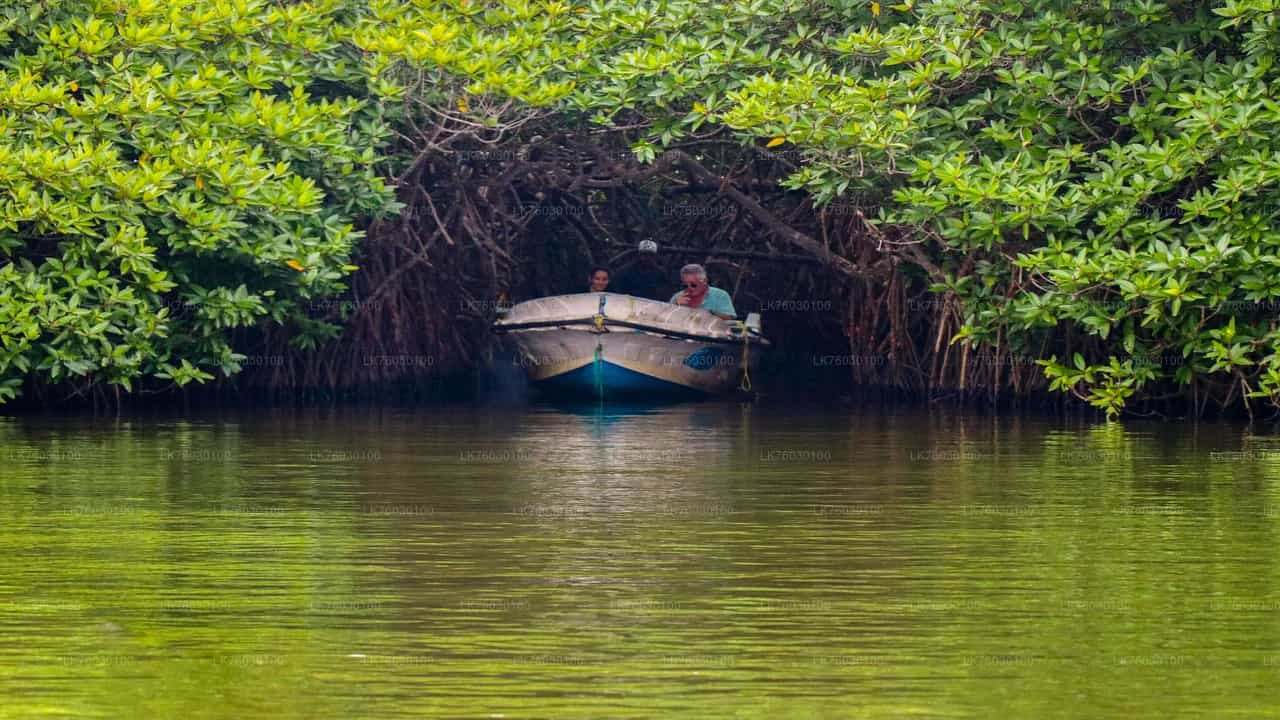
- 3 Nights (The Classic Coastal Pace): Everything in the express route, plus a relaxed day dedicated to learning to surf at Weligama Bay, taking a sunset boat ride along local mangrove lagoons, and experiencing beachfront seafood dining without rush.
- 4 Nights (The Complete South Coast Immersion): Allows a full day excursion to explore UNESCO-listed Galle Fort, coastal cinnamon estates, and turtle conservation centres, using Mirissa as a peaceful, unpacked residential base.
Choosing the right coastal destination in Sri Lanka depends on your balance between relaxation, nightlife, water conditions, and cultural interests. The comparison table below highlights key trade-offs between Mirissa and neighbouring coastal resort towns.
MirissaWhales, viewpoints, varied diningCurved golden bay; shallow reefDirect from local harbourLively yet relaxed coastal villageWeligamaBeginner surfing & surf campsWide sandy bay; gentle beach break10-minute transfer to MirissaSurf-centric, laid-back, activeUnawatunaFamily swimming & nightlifeSheltered bay; calm water40-minute drive to harbourBustling tourist hub, energetic barsTangalleLuxury seclusion & wild natureWide, rugged beaches; heavy shorebreak1-hour drive to harbourQuiet, upscale, dramatic sceneryHikkaduwaCoral snorkeling & dive cultureVibrant coral reef & party beach1-hour transfer via highwayTraditional backpacker & nightlife stripBentotaWatersports & sprawling resortsExpansive flat golden sands1.5 hours to Mirissa HarbourFamily resorts, river watersportsHow to Get to Mirissa and Integrate Your RouteGetting to Mirissa is straightforward thanks to the Southern Expressway (E01), which links the southern coastline directly with Colombo and Bandaranaike International Airport (CMB). A private vehicle transfer from Colombo airport typically takes between 2.5 and 3 hours via the expressway, bypassing urban traffic bottlenecks and delivering you directly to your hotel door.
For travelers exploring the classic island loop, Mirissa serves as the natural bridge between the central highlands and the western coast. A typical sequence proceeds from the tea plantations of Ella down through the southern plains—often pausing for an elephant safari in Udawalawe National Park—before arriving at Mirissa's coastal shores. Alternatively, guests coming south from Sigiriya and Kandy often end their tour with three relaxing nights in Mirissa before a final day touring Galle and departing Colombo.
While coastal trains run along the scenic railway between Colombo Fort, Galle, and Weligama, passenger trains are frequently crowded and manage luggage poorly. Booking a dedicated private chauffeur-guide allows you the freedom to stop at scenic points along the coast, sample seasonal tropical fruits at roadside stalls, and travel at your personal schedule with cool, air-conditioned comfort. For nature and wildlife enthusiasts, pairing this coastal stay with our dedicated Sri Lanka Wildlife and Train Tour: 10-Day Private Itinerary creates a balanced island holiday.
Dining and Coastal Culture: Where and What to EatMirissa's culinary landscape celebrates the southern province's bountiful sea harvest and rich coconut agriculture. As daylight fades, local restaurants along the main beach display fresh catches of the day on crushed ice—including seer fish, jumbo prawns, calamari, red snapper, and yellowfin tuna—which chefs grill over coconut-charcoal fires seasoned with garlic butter, lime, and crushed chili.
Beyond beachfront dining, exploring inland lanes yields authentic culinary treasures. Seek out family-run coastal eateries serving traditional rice and curry, where jackfruit curry (polos), tempered spiced potatoes, dhal infused with thick coconut milk, and fresh coconut sambal accompany steaming red samba rice. For breakfast, nothing beats freshly made egg hoppers (crispy bowl-shaped rice flour pancakes) served alongside sweet caramelized onion relish (seeni sambol) and Ceylon black tea.
Coastal culture here remains grounded in maritime traditions. Early morning visits to Mirissa fishing harbour reveal multi-day deep-sea trawlers unloading yellowfin tuna alongside traditional outrigger wooden catamarans (oruvas) returning with coastal netting catches. Respecting local customs means keeping swimwear confined to the beach sand and wearing respectful, shoulder-and-knee-covering clothing when stepping away into village lanes, grocery shops, and nearby temples.
Important Safety and Environmental ConsiderationsWhile Mirissa is generally safe, hospitable, and welcoming, sea conditions demand mindful awareness. The Indian Ocean generates powerful underwater currents, and rip tides can form suddenly near headlands and reef breaks. Pay close attention to local flags, avoid swimming alone after sunset, and ask local lifeguards or your driver-guide where safe entry zones are located on any given day.
When swimming near coral reefs or climbing rocks at Secret Beach and Parrot Rock, wear water shoes to safeguard against sharp coral edges and long-spined sea urchins. Additionally, protect the marine ecosystem: never step directly on living coral formations, refrain from purchasing shells or dried marine curios, and ensure all plastic waste is disposed of properly rather than left on sandy shores where high tides sweep it into the ocean.
Finally, exercise ethical awareness regarding wildlife tourism. If you visit sea turtle hatcheries along the coast, ensure they do not keep grown turtles in chlorinated cement tanks purely for tourist photo-ops. True conservation initiatives focus on protecting natural beach nesting sites and releasing hatchlings directly into the ocean under cover of darkness.
Plan It with Zephyra TravelsAt Zephyra Travels, our local travel experts and professional chauffeur-guides design custom, private coastal itineraries that relieve you of logistical stress while unlocking the very best of southern Sri Lanka. As part of Zephyra Group, we provide fully insured private vehicles, experienced English-speaking driver-guides, and curated hotel stays tailored specifically to your family, honeymoon, or leisure preferences.
Whether you want to combine the relaxing shores of Mirissa with cultural heritage in the Cultural Triangle, scenic tea country rail journeys, or thrilling leopard safaris in Yala, our Colombo-based team takes care of every route detail, ticket reservation, and transfer timing. Explore our selection of private touring packages and start planning your customized Sri Lanka coastal getaway today at Zephyra Travels Tour Packages.