Comprehensive Galle Fort Travel Guide: Explore Sri Lanka's Historic South Coast
This comprehensive Galle Fort Travel Guide explains how to plan the perfect visit to Sri Lanka's iconic UNESCO World Heritage site, including historical walking routes, seasonal weather patterns, boutique shopping, and nearby day trips. Situated on the southwestern rim of the island, Galle Fort offers an extraordinary blend of 16th-century Portuguese architecture, 17th-century Dutch fortifications, modern artisan boutiques, and ocean-facing bastion walls.
Whether you visit Galle as a day trip from Colombo or build a relaxed multi-day coastal itinerary around it, understanding how to navigate the cobblestone lanes, intense midday humidity, and regional travel logistics will ensure a seamless experience. As of November 2026, entry to the public bastions and walking ramparts within Galle Fort remains completely free, making it one of the most accessible cultural destinations in South Asia.
At a Glance- Location & Access: Located on the Southern Coast, approximately 125 kilometers south of Colombo via the Southern Expressway (E01), reachable in 2 to 2.5 hours by private transfer.
- Best Time to Visit: December through April brings sunny days, minimal rainfall, and calm sea conditions along the South Coast.
- Recommended Stay: 1 to 2 full days inside or immediately adjacent to the Fort walls to fully experience evening sunset walks and morning heritage tours.
- Key Highlights: Galle Lighthouse, Flag Rock Bastion sunset point, Old Dutch Hospital precinct, National Maritime Museum, and Pedlar Street artisan shops.
- Travel Logistics: Easily combined with southern wildlife safaris, lowland tea estates, and south coast beach towns like Unawatuna and Mirissa.
Galle Fort represents one of the best-preserved colonial sea fortresses in Asia, initially constructed by Portuguese explorers in 1588 before being massively expanded by Dutch colonists during the 17th century. The Dutch built solid coral-and-granite bastions along three sides of the peninsula, creating a self-contained administrative and commercial enclave designed to withstand both European rivals and local naval artillery.
In 1796, control passed to the British Empire, who preserved the fortress walls while adding civic structures such as the iconic white lighthouse at Point Utrecht Bastion. In 1988, UNESCO inscribed the Old Town of Galle and its Fortifications as a World Heritage Site, recognizing its unique synthesis of European architectural traditions and South Asian regional craftsmanship. Today, the 52-hectare complex remains a living city, home to centuries-old family residences, administrative courts, active places of worship, and flourishing luxury boutique hotels.
2. Top Things to Do Inside Galle FortExploring Galle Fort requires a thoughtful pace, combining early morning rampart walks with quiet indoor heritage stops during the heat of the day. Here are the core experiences that every traveler should include on their itinerary.
1. Walk the Historic Coral Ramparts - Best for Panoramic Ocean Views
Walking along the top of the ramparts provides sweeping views of the Laccadive Sea on one side and terracotta rooflines on the other. Start your walking circuit at the Main Gate (Moon Bastion) and follow the continuous outer wall past Star Bastion, Aeolus Bastion, and Triton Bastion toward the southern tip. Early morning between 6:30 AM and 8:30 AM offers cool sea breezes and tranquil photography opportunities before crowds assemble.
2. Photograph the Galle Lighthouse at Point Utrecht - Best for Heritage Icons
Standing tall on the southeastern edge of the fort, the 26-meter-high Galle Lighthouse was erected in 1939 to replace an earlier British structure destroyed by fire. Framed by towering palm trees and white-painted stonework, it serves as the ultimate backdrop for classic Sri Lankan coastal photography. Although public interior climbing is prohibited, the surrounding grassy lawns provide ample space for relaxation and viewing.
3. Explore the Old Dutch Hospital Precinct - Best for Coastal Dining & Shopping
This converted 17th-century medical complex features classic colonial colonnades, thick stone pillars, and wide verandas facing the ocean. Today, the upper and lower levels house upscale seafood restaurants, cocktail lounges, and premier jewelry outlets. It is an ideal spot to stop for lunch, sip fresh coconut water, or enjoy dinner with views of the crashing waves against the sea wall.
4. Discover Sacred Architecture - Best for Cultural Insights
Within a short walking distance, visitors can witness the multicultural heritage of Galle Fort. Visit the Groote Kerk (Dutch Reformed Church), built in 1752, featuring historic floor tombstones paved with VOC (Vereenigde Oostindische Compagnie) heraldry. Nearby stands the All Saints Anglican Church, completed in 1871 with Victorian Gothic stonework, and the Meera Mosque, constructed in 1904 with striking baroque-style white towers that overlook the sea.
5. Stroll Pedlar, Church, and Leyn Baan Streets - Best for Boutique Shopping
The grid-pattern streets of the fort are lined with carefully restored Dutch villas transformed into artisan craft shops, handloom textile galleries, authentic gem dealers, and specialty tea rooms. If you are shopping for genuine sapphire jewelry, handmade lace (beeralu), or Ceylon cinnamon products, these pedestrian-friendly streets offer an unhurried retail environment compared to commercial urban centers.
3. Step-by-Step Galle Fort Walking Tour CircuitFollow this recommended step-by-step walking circuit to experience the highlights of Galle Fort without retracing your steps or overheating during midday hours.
- Start at the Main Gate (Moon Bastion): Arrive around 7:30 AM. Examine the massive fortified entry arches and view the green fields of the Galle International Cricket Stadium just outside the walls.
- Walk West toward Star Bastion: Follow the elevated stone pathway overlooking the harbor inlet where historic trading ships once anchored.
- Proceed South to Triton Bastion: Stop at the windmill site for wide views across the bay towards Roomassala Cliff and Unawatuna.
- Gather at Flag Rock Bastion for Sunset: Position yourself along the oceanfront ledge by 5:30 PM. Local cliff divers frequently demonstrate leaps into the shallow sea below while the sun sets over the ocean horizon.
- Finish at Point Utrecht Lighthouse: Walk past the Court Square shade trees, ending your circuit near the lighthouse lawn as street lamps illuminate the historic lanes.
4. Best Time to Visit Galle and Weather GuideLocal tip: Midday sunshine on the unshaded coral bastions can reach temperatures above 32°C (90°F) with high humidity. Plan indoor activities, museum visits, or cafe breaks between 11:30 AM and 3:30 PM, reserving the high ramparts for early morning or late afternoon.
Galle experiences a tropical monsoon climate dominated by the Southwest Monsoon. Choosing the right month ensures pleasant walking conditions and optimal coastal weather.
December to April - Peak Season (Dry & Sunny)
This period brings consistent sunshine, calm turquoise ocean waters, and low rainfall across the entire South Coast. Temperatures range between 26°C and 30°C. December and January represent peak tourist arrivals, making advance reservations for private drivers and heritage hotels essential.
May to September - Southwest Monsoon (Rainy Season)
The Southwest Monsoon brings heavy rainfall, high humidity, and rough sea swells to Galle. While rain often comes in short, powerful afternoon bursts rather than day-long downpours, ocean swimming along exposed southern beaches is unsafe due to strong rip currents. However, boutique hotel rates drop significantly during these months.
October and November - Inter-Monsoon Season (Transition)
Weather during these months can be unpredictable with tropical rain showers and cloud cover. October 2026 recorded strong international arrival numbers across Sri Lanka, reflecting growing year-round interest, but travelers visiting in late autumn should prepare for occasional heavy downpours.
5. Where to Stay: Choosing Your South Coast BaseDeciding whether to stay directly inside Galle Fort or along the surrounding coastal beaches depends on your preferred travel style, budget, and evening atmosphere.
Inside Galle FortHistoric, quiet, refined boutiqueCouples, history buffs, luxury travelersPedestrian walkability, heritage charm, premier diningHigher room rates, limited beach accessUnawatuna BayLively beach town, watersportsFamilies, budget to mid-range travelersSwimmable beaches, beachfront cafes, vibrant nightlifeBusier streets, 15-minute drive to FortThalpe & HabaraduwaExclusive, serene beachfront luxuryHoneymooners, private villa guestsQuiet beaches, upscale private villasRequires vehicle transfers for diningHikkaduwaSurf culture, bustling stripSurfers, budget travelers, youthGreat reef surf, coral sanctuary accessBusier coastal highway traffic6. Day Trips and Neighboring Attractions from GalleGalle serves as an exceptional launchpad for exploring the natural and cultural attractions of Sri Lanka's low-country region. Combining your urban fort stay with nearby day tours creates a balanced island itinerary.
1. Madu River Mangrove Safari - Balapitiya
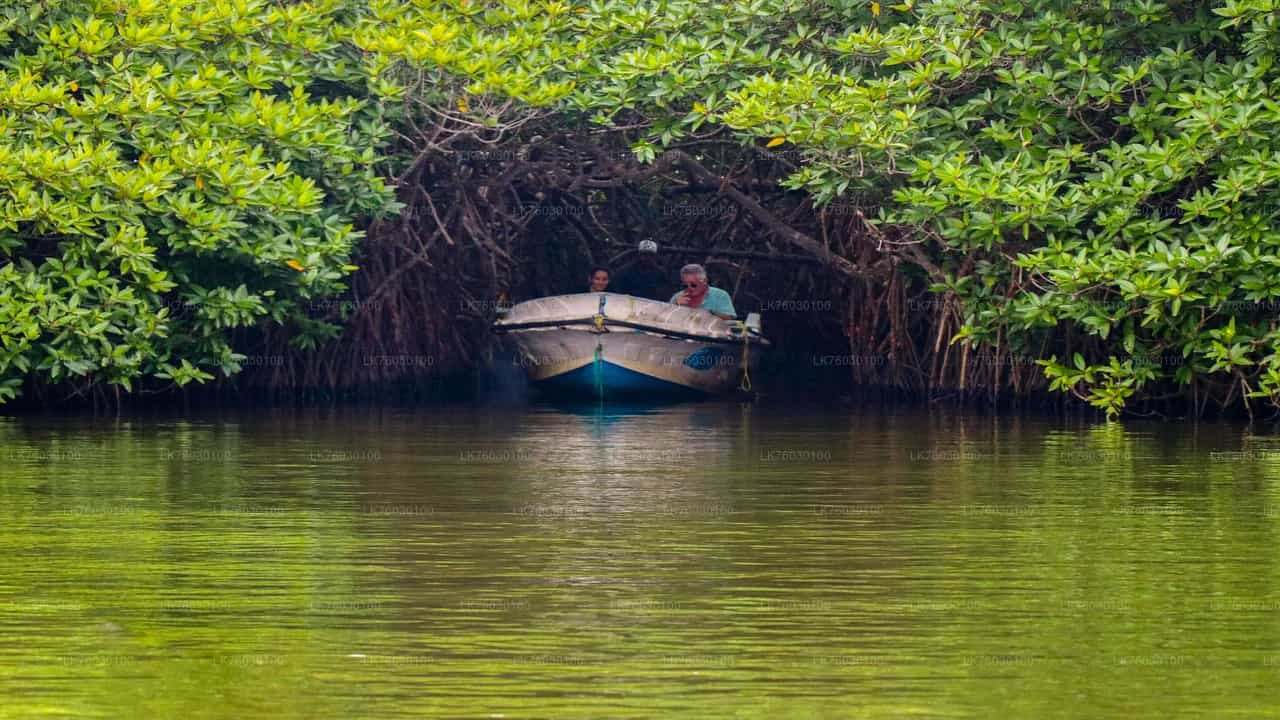
Located roughly 45 minutes north of Galle, the Madu River estuary provides an immersive wetland boat journey through lush mangrove tunnels. Visitors can observe water monitors, kingfishers, cinnamon cultivation islets, and outdoor fish spa therapy sites. For full details on planning this day excursion, read our comprehensive Madu River boat safari guide.
2. Wildlife Safaris at Udawalawe and Yala National Parks
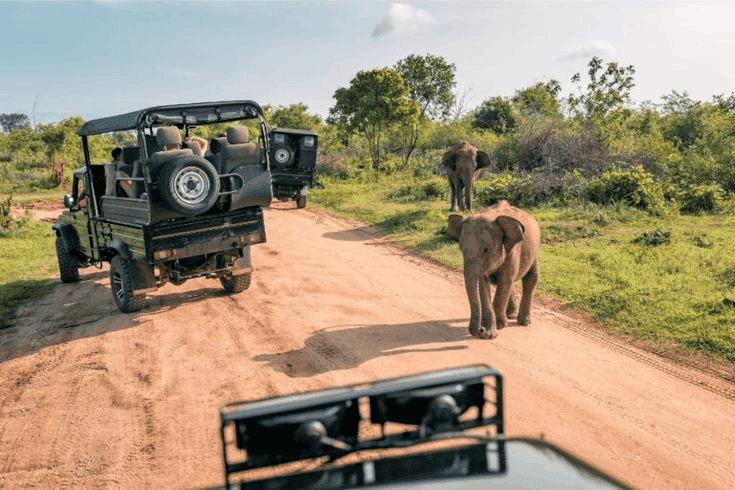
Southern Sri Lanka offers world-class wildlife viewing within easy driving distance of Galle Fort. Udawalawe National Park (approximately 2.5 hours east) is renowned for large herds of wild Asian elephants and natural reservoir habitats. Further east lies Yala National Park, famous for holding one of the highest leopard densities in the world. Both parks can be visited via early morning private day trips from Galle.
3. Whale Watching in Mirissa
From November through April, the deep ocean trenches off Mirissa (a 45-minute drive east of Galle) serve as key migratory corridors for blue whales, sperm whales, and large pods of spinner dolphins. Boarding an early morning boat safari provides high success rates for spotting the planet's largest mammals in their natural habitat.
4. Coastal Spice Gardens and Low-Country Tea Estates
While Sri Lanka's main tea country rests in the central highlands, the lowlands around Galle produce distinct, full-bodied black teas known as Low-Country Ceylon Tea. Visiting private estates like Handunugoda (famous for its virgin white tea) allows travelers to explore tea production methods alongside organic spice gardens growing cardamoms, nutmeg, and authentic Ceylon cinnamon.
7. Sri Lanka Entry Rules and Practical LogisticsPlanning your trip to Galle requires up-to-date knowledge of national entry regulations and local transportation choices.
Entry and ETA Rules
As of November 2026, nationals from 40 select countries are eligible for a free 30-day tourist Electronic Travel Authorization (ETA), which allows double entry within the 30-day validity window. However, obtaining an ETA prior to departure remains mandatory for all international visitors. Always verify specific visa rules for your nationality on the official government ETA web portal prior to booking your flights.
Airline Connections
International flights land at Bandaranaike International Airport (CMB) near Colombo. British Airways resumed three weekly winter seasonal flights directly from London Gatwick to Colombo in late October 2026, boosting direct European access. Flight schedules via Middle Eastern hubs can experience periodic adjustments; travelers should always reconfirm flight itineraries directly with their carrying airline.
Integrating Galle into a Island Itinerary
Galle is most comfortably visited as part of a southern circuit. A popular option is our Sri Lanka Coastal & Hill Country Escape package, which seamlessly connects the ancient heritage of the Cultural Triangle with Nuwara Eliya, Ella, and the sunny southern coast. Alternatively, travelers crafting an extended multi-week journey can review our detailed Sri Lanka 12-day itinerary with a private driver for expert pacing and route sequencing recommendations.
While in Galle, be sure to sample regional culinary specialties such as fresh yellowfin tuna curry, fiery black pork curry, appam (hoppers), and tropical woodapple juices. You can learn more about iconic regional dining in our dedicated guide to the best food in Sri Lanka.
Plan It with Zephyra TravelsAt Zephyra Travels, headquartered in Colombo, our dedicated team of local travel experts crafts seamless, fully customized Sri Lankan itineraries tailored to your exact pacing and style. Being part of the technology-driven Zephyra Group, we blend modern trip management efficiency with warm, personal hospitality. When you explore Galle Fort with us, you enjoy dedicated private transfers in climate-controlled vehicles, seasoned English-speaking driver-guides, hand-selected heritage accommodations, and flexible daily schedules that allow you to discover hidden coastal gems at your own speed.
Ready to start planning your coastal Sri Lankan escape? Explore our full collection of custom private tour packages and day excursions on our official Zephyra Travels tour packages page and submit your inquiry to connect directly with our local expert travel planners today.