Exploring Balapitiya's Estuary: Madu River Boat Safari Planning & Insider Tips
A Madu River boat safari takes travelers through a complex coastal wetland estuary in Balapitiya on Sri Lanka's southwest coast, featuring dozens of small islets, dense mangrove tunnels, traditional cinnamon plantations, and rich birdlife. Located roughly 30 minutes from Bentota and an hour north of Galle, this eco-tourist excursion is best enjoyed during morning hours when wildlife activity peaks and water conditions remain placid.
As of November 2026, the Madu Ganga wetland remains one of the island's most accessible marine sanctuary experiences for families, couples, and nature enthusiasts exploring the southern province. Navigating the quiet waterways by covered motorboat provides an up-close perspective on Sri Lanka's delicate coastal ecology while offering glimpses into traditional riverine livelihoods that have endured for generations.
At a Glance- Location: Balapitiya, Galle District, Southwest Coast of Sri Lanka (easily reached from Bentota, Ahungalla, and Hikkaduwa).
- Typical Safari Duration: 1.5 to 3 hours on the water depending on your chosen boat route and stops.
- Key Highlights: Natural mangrove archways, Cinnamon Island processing demonstration, Kothduwa Buddhist Temple Island, and traditional kraal fishing traps.
- Wildlife to Spot: Asian water monitors, purple-faced langurs, land monitors, blue kingfishers, cormorants, white-bellied sea eagles, and fruit bats.
- Best Time of Day: Early morning (8:30 AM to 10:30 AM) or late afternoon for cooler temperatures and active birdlife.
- Suitability: Easy difficulty, ideal for families and small groups; travelers who are pregnant or have severe back issues should request low speeds and smooth waters.
The Madu River, locally referred to as Madu Ganga, is not a simple inland river but a vast estuarine lagoon system fed by multiple streams and connected directly to the Indian Ocean. Spanning over 900 hectares of aquatic ecosystem, the wetland forms a protected Ramsar site known for its rich biodiversity and extensive mangrove forests. Taking a boat safari through this sanctuary allows visitors to slide silently under green canopy tunnels where saltwater meets fresh river runoff.
Understanding the Balapitiya Estuary & Wetland Ecosystem
The estuary encompasses 64 islands of varying sizes, though less than ten remain continuously inhabited today. These landmasses create a maze of calm channels bordered by secondary mangrove trees, mudflats, and reed beds. The root systems of red and black mangroves trap sediments, prevent coastal erosion, and act as natural marine nurseries for young fish, crabs, and prawns before they migrate into the open ocean.
Mangrove Tunnels and Natural Archways
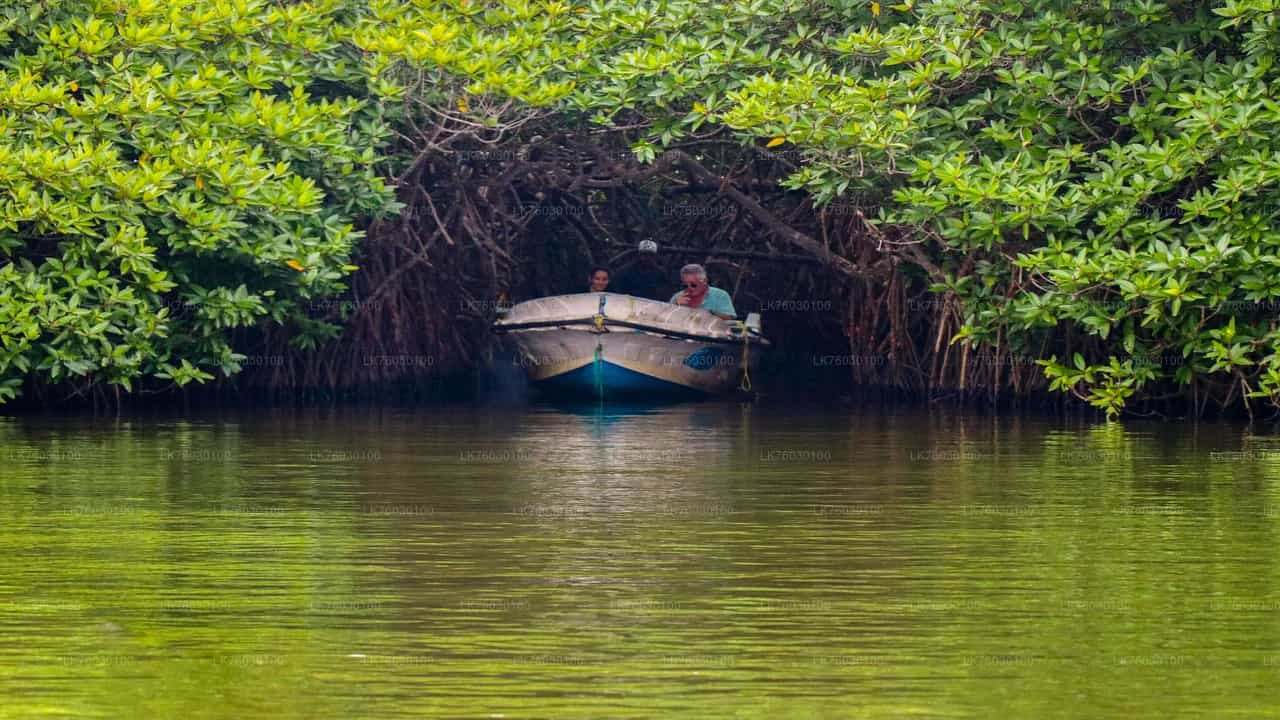
One of the defining moments of a Madu River safari is entering the dark, cool mangrove tunnels. Boat captains turn off or idle their outboard engines, allowing the craft to drift beneath overhead branches intertwined like natural cathedrals. Light filters through dense leaves, revealing fruit bats hanging high in the branches and colorful kingfishers perched on low twigs watching for small surface fish.
Key Highlights on the Madu Ganga Safari CircuitStandard boat tours follow a well-established route that combines nature viewing with visits to small islands dedicated to traditional crafts and spiritual life. Knowing what each stop offers helps travelers customize their time on the water effectively.
1. Cinnamon Island - Traditional Peeling & Craft Demonstrations
Sri Lanka is famous worldwide for its true cinnamon (Cinnamomum verum), and several small islets within the Madu Ganga lagoon continue to cultivate it using age-old methods. A brief stop on Cinnamon Island allows visitors to walk through active groves and observe skilled local farmers strip bark from harvested branches. Demonstrations show how the thin inner bark is rolled into smooth quills, dried under shadow canopy, and processed into aromatic cinnamon oil, powder, and craft rope.
2. Kothduwa Temple Island - Historic Buddhist Hermitage
Situated in the middle of the river, Kothduwa Rajamaha Viharaya is an ancient Buddhist temple occupying its own private island. Historical legends tell that during times of regional conflict centuries ago, the Sacred Tooth Relic of the Buddha was temporarily hidden on this secluded river islet for safekeeping. Today, the peaceful grounds feature a towering Bo tree, tranquil shrines, and resident monks who welcome respectful visitors wearing covered shoulders and knees.
3. Traditional Kraal Fishing (Ja-Kotuwa) & River Heritage
As your boat glides across broader stretches of the estuary, you will pass large bamboo lattice structures anchored into the riverbed. Known locally as Ja-Kotuwa, these traditional fish and prawn traps use kerosene or solar lamps at night to lure aquatic life into maze-like chambers. Local fishermen harvest their catch at dawn, maintaining an artisan practice that has sustained surrounding coastal villages for centuries.
4. Natural Fish Spa Stations & Riverway Pitstops
Floating wooden docks anchored along certain channels feature small enclosures filled with doctor fish (Garra rufa). Travelers can sit on the wooden platforms and submerge their feet into the cool river water for a natural exfoliation session while enjoying coconut water served fresh by local dockkeepers. While optional, it offers a refreshing pause during mid-day boat rides.
Wildlife and Birdwatching along the EstuaryThe ecological diversity of Madu Ganga makes it a favorite spot for wildlife lovers staying along Sri Lanka's southern shoreline. Quiet electric or low-emission motorboats ensure minimal disturbance to sensitive native species.
- Reptiles: Asian water monitors are frequently spotted swimming across channels or sunning on fallen logs. Land monitors, small marsh crocodiles (rare), and harmless tree snakes also inhabit the dense root systems.
- Avian Species: Birdwatchers can spot over 100 species, including stork-billed kingfishers, white-breasted kingfishers, Indian cormorants, herons, egrets, and impressive white-bellied sea eagles scanning the open water from towering trees.
- Mammals and Amphibians: Endemic purple-faced langurs and toque macaques swing through high canopy leaves, while evening hours occasionally reveal small mongooses and fruit bats embarking on nocturnal flights.
To help travelers decide how to spend their coastal itinerary days, the following table compares Madu River with other popular river and wetland experiences across Sri Lanka:
Madu RiverBalapitiya / BentotaMangrove tunnels, Cinnamon Island, Kothduwa Temple, fish spaFamilies, first-timers, culture lovers1.5 to 3 HoursBentota RiverBentota / AluthgamaLush riverbanks, quiet mangrove bends, water lily pondsCouples, birdwatchers, quiet seekers1 to 2 HoursMuthurajawela MarshNegombo / PamunugamaCoastal wetland, saline lagoon, bird sanctuary near airportTransit travelers, nature enthusiasts2 to 3 HoursWalawe RiverAmbalantota / HambantotaDense forest, peacock habitat, estuary ocean mouthSouth coast road trippers, birders2 Hours- Determine your base location: Balapitiya is roughly 35 minutes south of Bentota and 25 minutes north of Hikkaduwa along the main A2 coastal highway.
- Select your safari timing: Book morning slots (between 8:00 AM and 10:00 AM) to catch birdlife at its most active and avoid afternoon heat.
- Pack weather-appropriate gear: Sun hats, UV-blocking sunglasses, light linen attire, and broad-spectrum sunscreen are essential on open waters.
- Choose certified private boats: Opt for licensed local boat drivers who supply life jackets for all passengers and respect engine noise limits near nesting zones.
Practical Safari Planning: Timing, What to Bring, and Safety TipsLocal tip: If you plan to visit Kothduwa Temple Island during your boat safari, remember to bring a sarong or light shawl in your daypack to cover your shoulders and legs before stepping off the wooden boat landing onto sacred grounds.
Planning a seamless river safari requires accounting for seasonal weather and comfortable river transport logistics. The southwest monsoon (typically May to September) brings occasional heavy rain showers to Balapitiya, though boat safaris run year-round because the protected estuary remains calm even when open sea swells are high.
Standard motorboats are equipped with canvas canopy sunshades, bench seating, and safety vests. Travelers prone to motion discomfort will find the flat, enclosed waters of the river estuary far smoother than sea trips like whale watching. However, speedboat turns or passing boat wakes can produce mild jolts; guests who are pregnant or managing chronic back ailments should ask their driver-guide to navigate at gentle cruising speeds throughout the journey.
How to Integrate Madu River into Your Sri Lanka ItineraryA Madu River boat safari fits naturally into a day trip exploring the historic and scenic treasures of the southern coast. After completing your morning river loop in Balapitiya, your private driver can easily take you to nearby coastal attractions such as the Kosgoda Sea Turtle Conservation Project, the Moonstone Mines of Meetiyagoda, or the UNESCO-listed Galle Dutch Fort for an afternoon walking tour and dinner.
Whether you are starting from Colombo, Negombo, or a beachfront resort in Ahungalla, combining river wetlands with historical heritage creates a balanced, multi-faceted day out on the island.
Plan It with Zephyra TravelsAt Zephyra Travels, we design custom private day excursions and multi-day island circuits that take the hassle out of holiday planning. Our dedicated team pairs you with professional, English-speaking driver-guides who handle route timing, vehicle logistics, and site visits with local expertise. Operating within the broader tech and travel ecosystem of Zephyra Group, we utilize modern booking efficiency alongside warm Sri Lankan hospitality to ensure every journey is safe and memorable.
Ready to experience the tranquil mangroves of Balapitiya and the beauty of Sri Lanka's southern coast? Explore our curated range of flexible private Sri Lanka tour packages to start customizing your dream tropical itinerary today.