Complete Guide to Tourist Safety, Travel Rules, and Local Advice in Sri Lanka
Is Sri Lanka safe for tourists? Yes, Sri Lanka is overwhelmingly safe for international tourists, featuring low rates of violent crime, a deeply hospitable culture, and a well-developed tourism infrastructure. The island passed the 2 million visitor mark on 20 November 2026, reflecting strong global traveler confidence as the peak December-to-February winter season gets underway.
While physical violent crime targeting foreign visitors is exceptionally rare, smart travel planning requires awareness of non-violent risks. Road safety, seasonal ocean currents, street scams, and vector-borne health considerations require sensible precautions. In this practical guide, our local team at Zephyra Travels breaks down exactly how to stay safe, healthy, and confident throughout your trip.
At a Glance- Overall Security: Sri Lanka maintains a peaceful environment with high hospitality standards and very low violent crime rates against tourists.
- Transport & Driving: Navigating busy highways and mountain passes is safest when hiring a licensed private driver-guide rather than self-driving.
- Entry Procedures: As of November 2026, an official electronic travel authorization (ETA) remains mandatory before arrival, with free 30-day tourist ETAs available for nationals of 40 countries.
- Coastal Safety: Swimmers must pay close attention to seasonal monsoon currents and obey local warning flags on both the southwest and east coasts.
- Health Essentials: Tap water is not recommended for drinking; travelers should rely on bottled or filtered water and wear insect repellent during daylight hours.
Sri Lanka is considered one of the most welcoming travel destinations in South Asia, where tourism plays a vital economic and cultural role. Local communities take pride in assisting travelers, and interactions across major cultural and coastal hubs are overwhelmingly positive and respectful.
Violent Crime and Personal Security
Violent crime targeting foreign visitors is extremely uncommon in Sri Lanka. Cities like Kandy, Galle, and Colombo are peaceful, even during late evening hours in main commercial districts. However, basic personal security habits should always be observed, such as securing valuables in hotel safes and keeping bags zippered in crowded markets.
Scams and Common Urban Pitfalls
Petty theft and non-violent financial scams represent the most frequent issues encountered by tourists. These usually involve inflated prices, fake gemstone certifications, or unsolicited guides offering assistance at public monuments for high tips.
- Gemstone Scams: Purchase precious stones only from dealers accredited by the National Gem and Jewellery Authority, avoiding unregistered shops suggested by random tuk-tuk drivers.
- Overpriced Tuk-Tuks: Always request that tuk-tuk drivers use a digital meter or agree on a firm price prior to starting your ride, or use mobile ride-hailing apps in major cities.
- Unsolicited Temple Guides: Clarify fees before accepting historical commentary from individuals outside cultural sites like Polonnaruwa or Sigiriya.
Road traffic conditions present the single highest operational risk for independent travelers in Sri Lanka. Dense traffic, narrow mountain roads, and varied vehicle speeds require experience to navigate smoothly.
Hiring a Private Driver vs. Self-Driving
Self-driving a rented car or driving a rented tuk-tuk is generally discouraged for first-time visitors. Local traffic patterns involve frequent overtaking, roaming livestock, and unannounced lane shifts. Hiring an experienced private chauffeur-guide provides safety, local route insight, and stress-free transit across long distances.
Public Trains, Express Buses, and Taxis
The scenic hill country train between Kandy, Nanu Oya (Nuwara Eliya), and Ella is safe and wildly popular among travelers. However, doors should never be leaned out of for photos while the train is in motion. Intercity express buses can be driven aggressively, making private transfers or reserved train seats the preferred choice for comfortable long-distance travel.
Health, Hygiene, and Medical FacilitiesMaintaining good health during your Sri Lanka holiday requires simple everyday precautions regarding hydration, food safety, and insect protection.
Food Hygiene and Drinking Water
Tap water in Sri Lanka should not be ingested directly without boiling or high-level filtration. Visitors should drink bottled water with sealed caps or use purified hotel refilling stations. Freshly cooked, piping hot local rice and curry from busy eateries is generally safe and delicious, but raw salads from smaller roadside stalls should be approached with care.
Mosquito Protection and Healthcare Standards
Dengue fever occurs in tropical environments, particularly in urban zones after rain showers. Applying DEET-based mosquito repellent during daylight hours effectively mitigates risk. Private medical clinics in Colombo, Kandy, and Galle offer high-quality care with English-speaking medical staff, though comprehensive travel insurance is strictly recommended for all visitors.
Ocean Currents and Outdoor Wildlife PrecautionsSri Lanka offers world-class beaches and wildlife safaris, but respecting natural marine and forest environments is essential for a safe itinerary.
Beach Swimming and Surfing Safety
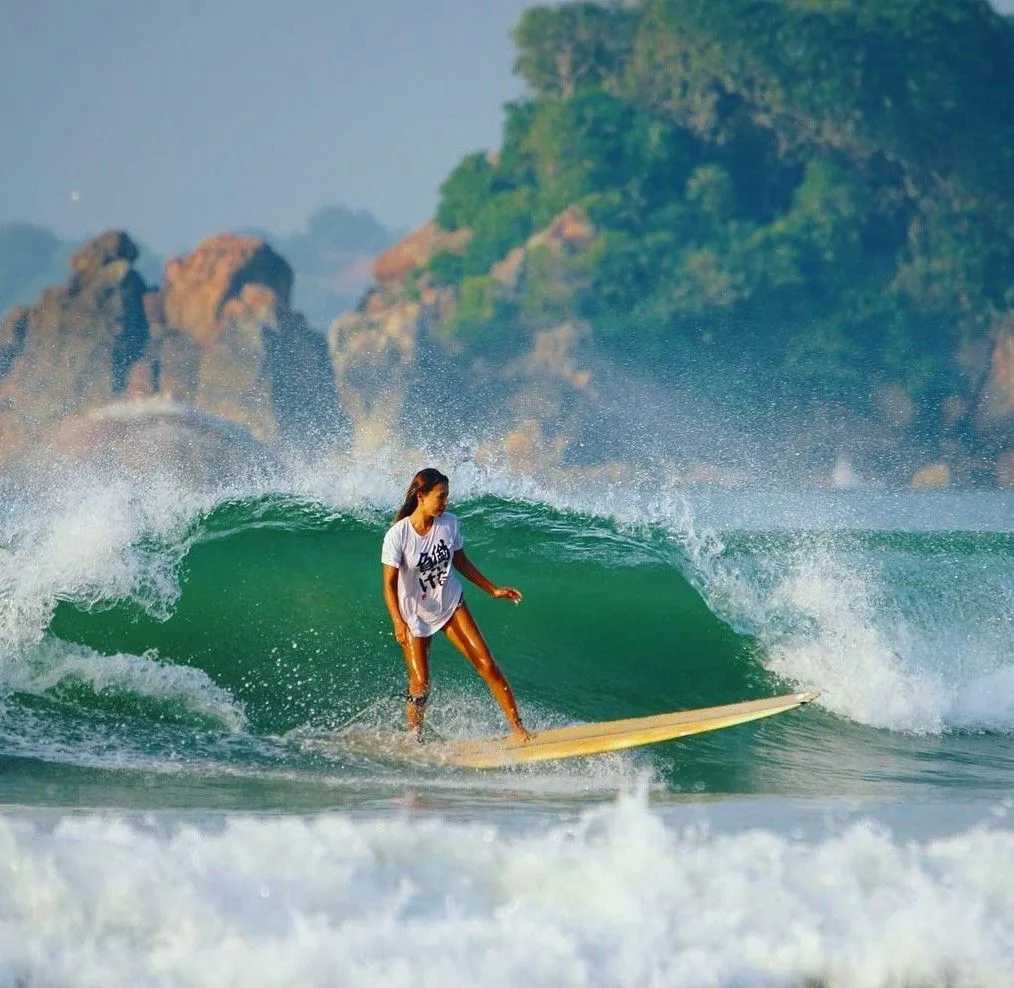
Ocean conditions fluctuate dramatically depending on the regional monsoons. The southwest coast (Unawatuna, Bentota, Mirissa) enjoys calm sea conditions from November to April, while the east coast (Arugam Bay, Trincomalee) is safest between May and September. Rip currents can emerge quickly outside sheltered bays.
Local tip: Never swim at unpatrolled beaches when red warning flags are displayed by local lifeguards, especially along exposed stretches of the southern coastline.
National Park Safaris and Wild Animals
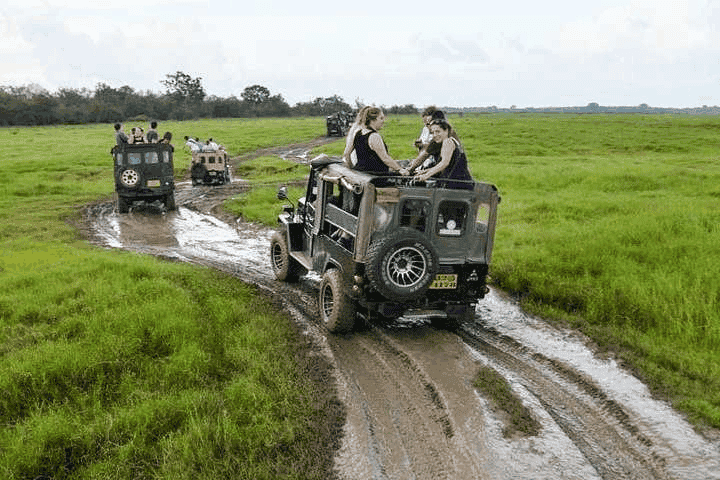
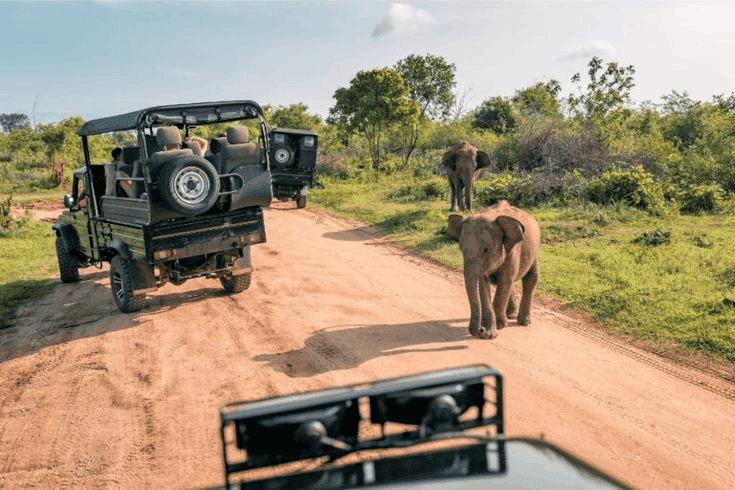
When visiting safari destinations like Yala, Wilpattu, or Udawalawe National Parks, remain seated inside your designated 4x4 safari jeep at all times. Wild Asian elephants can react unpredictably if approached too closely. Experienced jeep drivers know how to maintain a respectful, safe distance from leopards and elephant herds.
Solo Female Traveler Safety in Sri LankaSolo female travel in Sri Lanka is very common, with thousands of women visiting the island safely every year. Local people are generally protective and helpful, though understanding regional cultural expectations enhances comfort.
Cultural Etiquette and Clothing
Dressing modestly when moving through local towns, village markets, and religious temples is both respectful and practical. Shoulder and knee coverage is mandatory at sacred sites like the Temple of the Sacred Tooth Relic in Kandy. On tourist beaches, standard swimwear is universally accepted, but topless sunbathing is strictly prohibited.
Evening Transit and Local Communication
When traveling alone at night, arrange private taxis or verified ride-hailing services rather than walking along unlit rural roads. Carrying a local SIM card with active mobile data ensures easy navigation and direct access to your hotel or emergency contacts.
Sri Lanka Safety Breakdown by Region and ActivityUnderstanding regional safety factors helps you build a balanced, worry-free travel route across the island.
Cultural Triangle (Sigiriya, Dambulla)Heat exhaustion & uneven stepsNovember to AprilClimb early in the morning; carry water and sun protection.Hill Country (Kandy, Ella, Nuwara Eliya)Mountain roads & train stepsYear-round (Best Dec–Mar)Book reserved train seats; avoid leaning out open train doors.South & West Coasts (Bentota, Mirissa)Strong shorebreak & rip currentsNovember to AprilSwim only in designated bays; heed local lifeguard warnings.East Coast (Pasikuda, Arugam Bay)Monsoon sea swell (Nov–Feb)May to SeptemberIdeal for summer travel; exercise sea caution during winter.National Parks (Yala, Wilpattu)Wild elephant encountersYear-round (Park specific)Remain inside safari vehicles; follow track guide instructions.Plan It with Zephyra TravelsTraveling with Zephyra Travels guarantees complete peace of mind from the moment you land at Bandaranaike International Airport. As a registered Sri Lankan inbound tour operator run by local experts, we provide professional English-speaking driver-guides, hand-picked comfortable vehicles, and 24/7 localized support tailored to your preferences.
Ready to experience a safe, seamless, and customized Sri Lankan vacation? Explore our handcrafted Sri Lanka tour packages and let our dedicated local team plan your perfect island journey today.