
Navigating Sri Lanka Weather Patterns, Monsoon Shifts, and Traveler Safety
The best time to visit Sri Lanka depends entirely on which side of the island you explore, because two alternating monsoons keep at least one coast sunny and calm throughout the year. For travelers targeting the popular southern beaches, western coastline, and central hill country, December through April offers dry skies and placid seas, while the east coast flourishes between May and September.
Understanding Sri Lanka weather is less about finding a single perfect month for the entire island and more about aligning your itinerary with regional microclimates. Whether you want to hike dramatic mountain ridges, embark on wildlife safaris, or surf turquoise breaks, matching your travel dates to local weather systems guarantees a smooth, enjoyable journey free from weather disruptions.
At a Glance- South and West Coasts: Peak sunshine, whale watching, and calm swimming conditions run from December to April.
- East Coast: Ideal beach weather, dolphin watching, and premier surfing around Arugam Bay and Trincomalee peak from May to September.
- Cultural Triangle: Warm and generally accessible year-round, experiencing light rainfall during late autumn.
- Central Highlands: Crisp, cool mountain air with the clearest hiking views from January through March.
- Traveler Safety: Road navigation, ocean rip currents, and sun exposure require straightforward precautions that local private drivers handle effortlessly.
Sri Lanka experiences two distinct monsoon seasons driven by regional wind reversals across the Indian Ocean. Because the central mountain massif acts as a geographic barrier, rain dropped on one slope leaves the opposite side sheltered and sunny.
The Southwest Monsoon (Yala) brings rainfall to the southern, southwestern, and central hill districts from May through September. During this period, sea conditions along southern beaches such as Bentota, Mirissa, and Galle become rough with strong undercurrents, while eastern bays turn pristine. Conversely, the Northeast Monsoon (Maha) delivers rain to the northern and eastern regions between October and January, leaving the southern and western shores radiant.
Best Seasons by Region: Weather BreakdownLocal tip: Between October and mid-November, inter-monsoonal conditions can bring afternoon showers island-wide. These tropical downpours are usually brief, leaving mornings clear for outdoor activities and cultural explorations.
Planning a multi-destination circuit requires matching individual stops to favorable conditions. The table below outlines typical regional weather windows to help you structure your route effectively.
South Coast (Galle, Mirissa)Dec – AprDry, sunny, warm watersWhale watching, beach relaxation, stilt fishingWest Coast (Bentota, Negombo)Dec – MarMinimal rain, coastal breezesRiver boat safaris, water sportsCentral Highlands (Ella, Nuwara Eliya)Jan – AprCool nights, clear daytime viewsTea trail walking, scenic rail journeysCultural Triangle (Sigiriya, Dambulla)Jan – SepDry, warm, gentle windsAncient ruins, wildlife tank safarisEast Coast (Trincomalee, Pasikuda)May – SepCalm turquoise bays, low rainSnorkeling, diving, surfing1. South and West Coasts - Best for Winter Escapes
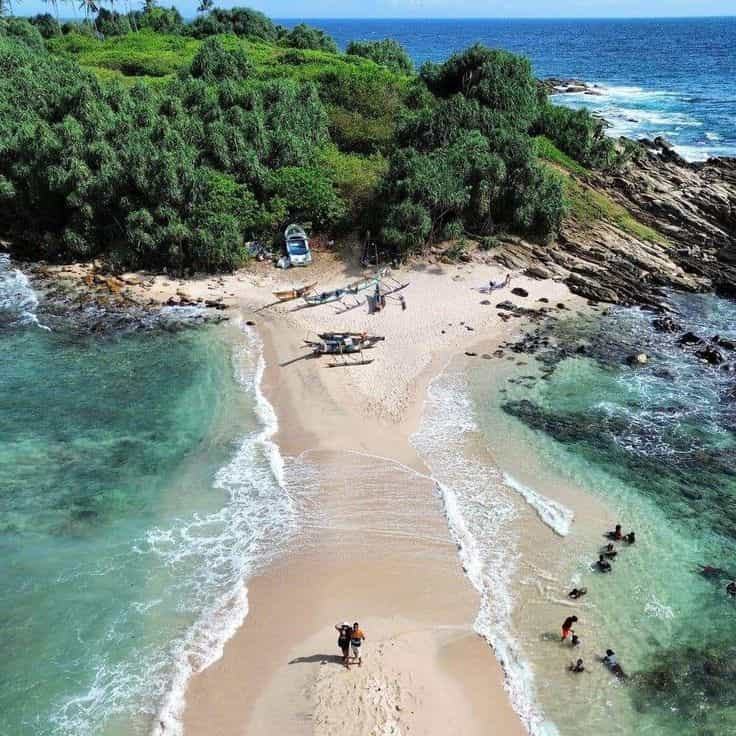
Between December and April, the southwestern arc transforms into a sun-seeker haven. Coastal towns boast calm shallows suitable for swimming, reef snorkeling, and boat excursions. Early mornings bring glassy ocean surfaces off Mirissa, where blue whales migrate along the continental shelf. By late May, sea conditions shift dramatically, making swimming hazardous on unpatrolled beaches until November.
2. Central Highlands - Best for Hiking and Scenic Rail Journeys
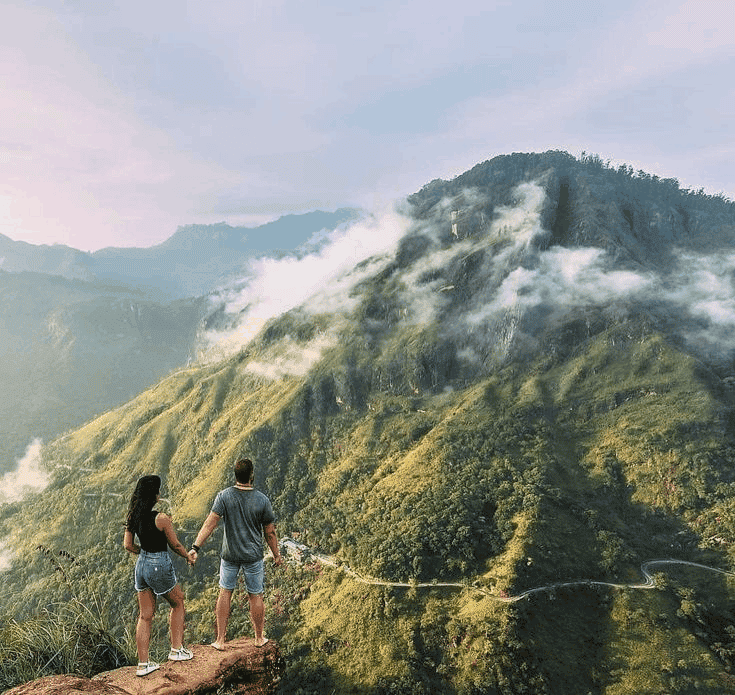
The hill country surrounding Kandy, Nuwara Eliya, and Ella provides a cool alpine contrast to tropical coastal heat. Daytime temperatures typically hover between 18°C and 23°C (64°F to 73°F), occasionally dipping lower overnight. January through March offers prime conditions for climbing Little Adam's Peak or hiking sections of the Pekoe Trail, as lingering mist burns off early to unveil panoramic valley vistas.
3. Cultural Triangle - Best for Year-Round Heritage
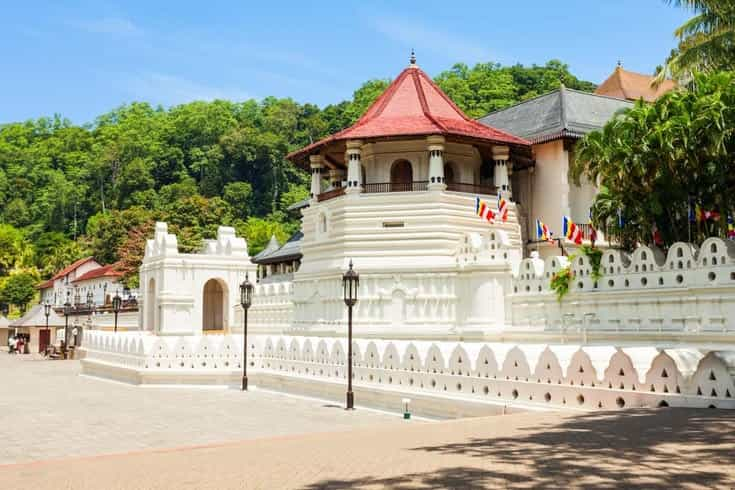
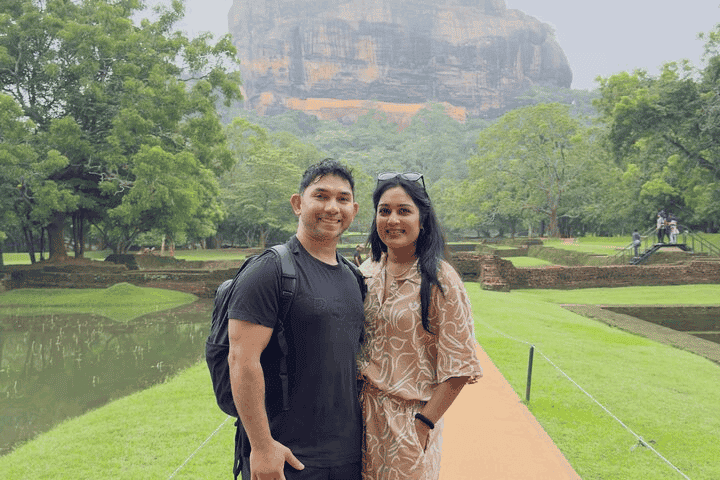
Located in the north-central plains, heritage strongholds like Sigiriya, Anuradhapura, and Polonnaruwa receive substantially less rainfall than the southern hills. Early mornings remain the ideal time to climb the Sigiriya rock fortress before midday heat settles. While October and November bring intermittent rains that fill ancient irrigation reservoirs, touring these archaeological wonders remains pleasant throughout most of the year.
4. East Coast - Best for European Summer Holidays
When monsoon rains sweep across the south from May to September, eastern shores bask under clear blue skies. The shallow, protected bays of Pasikuda and Nilaveli provide exceptional swimming and snorkeling conditions. Further south along the eastern coast, Arugam Bay draws international surfers seeking consistent right-hand point breaks during the southern hemisphere winter.
Practical Safety Tips for Traveling in Sri LankaSri Lanka is widely recognized for warm hospitality and peaceful, hassle-free travel for solo voyagers, couples, and families. However, adapting to local environmental conditions ensures a trouble-free holiday.
- Respect Ocean Flags and Red Warning Banners: The Indian Ocean generates powerful rip currents. Never enter the water on unpatrolled beaches if red warning flags are flying or during monsoon transition months.
- Stay Well Hydrated and Sun-Smart: The equatorial sun is intense, particularly at open archaeological sites like Sigiriya and Polonnaruwa. Carry reusable water bottles, broad-spectrum sunscreen, and lightweight sun hats.
- Choose Licensed Private Chauffeur-Guides: Mountain switchbacks, tuk-tuks, and narrow rural roads make self-driving stressful. Dedicated private transfers provide comfortable air-conditioned journeys managed by experienced local drivers.
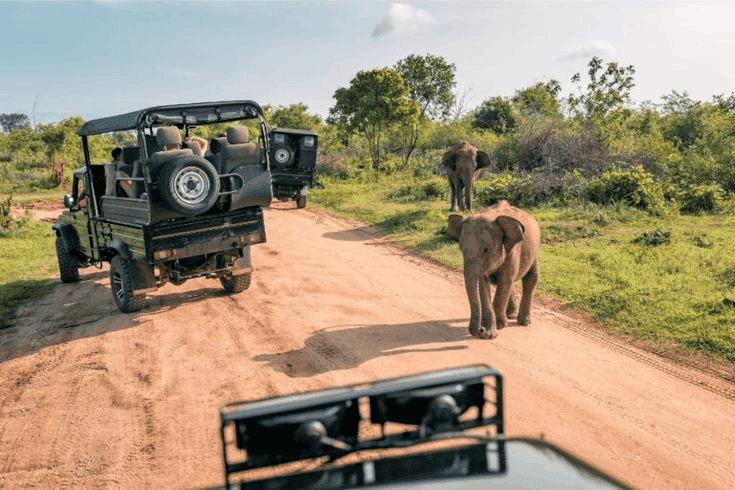
- Observe Wildlife Etiquette: During national park game drives, always remain inside safari jeeps and avoid loud noises. Wild elephants frequently roam boundaries near Minneriya and Udawalawe; maintain a safe distance and heed your tracker's guidance.
As of October 2026, international travelers entering Sri Lanka must secure an Electronic Travel Authorization (official ETA approval) prior to boarding their flights. While passport holders from 40 select countries currently benefit from a free 30-day double-entry ETA scheme, completing the online registration remains mandatory. Always check the official Sri Lanka ETA portal for nationality-specific regulations and validity terms before booking your flights.
International air access continues to expand with seasonal winter routes, including direct flights connecting London Gatwick, European hubs, and major Indian cities directly to Colombo Bandaranaike International Airport. Check with your airline for schedule confirmations and baggage allowances when planning your arrival.
Plan It with Zephyra TravelsNavigating Sri Lanka's microclimates is effortless when your journey is orchestrated by ground experts. Zephyra Travels curates fully customized private tours backed by dedicated drivers, comfortable air-conditioned vehicles, and verified boutique accommodations. Whether you wish to pair hill country hikes with eastern beach retreats or track leopards through southern scrub forests, we tailor every itinerary to capture optimal seasonal weather.
Explore our carefully designed Sri Lanka tour packages to discover personalized routes crafted by passionate local travel professionals.