Which is the Best Month to Visit Sri Lanka? A Complete Seasonal & Regional Guide
Choosing the best month to visit Sri Lanka depends entirely on which parts of the tropical island you plan to explore, because two opposing monsoon cycles bring sunshine to different regions throughout the year. If your ideal journey focuses on the gold-sand beaches of the south, the colonial streets of Galle, and the lush tea plantations of Ella, the optimal travel window spans from December to April. Conversely, if you prefer serene east coast beaches like Trincomalee, calm waters in Pasikudah, and world-class surfing in Arugam Bay, the months between May and September offer dry skies and tranquil seas.
Because Sri Lanka is a true year-round destination, there is always a region enjoying peak sunshine regardless of when your annual leave falls. Understanding how microclimates, national park schedules, and cultural celebrations align across the twelve calendar months allows you to design an itinerary perfectly tailored to your expectations. Whether you wish to track wild leopards in Yala, climb Sigiriya Rock in pleasant morning weather, or relax on palm-fringed shores, knowing the seasonal nuances ensures a rewarding island trip.
At a Glance- December to April: Peak dry season for the south coast, west coast, Cultural Triangle, and hill country. Ideal for classic island tours.
- May to September: Prime travel window for the east coast beaches and northern cultural heritage sites, with calm seas and sunny days.
- October and November: Inter-monsoons bring unpredictable afternoon showers, but deliver lush green landscapes and luxury accommodations at lower rates.
- February: Frequently rated by travel specialists as the single best overall month for a comprehensive round-trip island circuit.
- Entry Rules: As of November 2026, passport holders from 40 eligible countries receive a free 30-day tourist ETA with double-entry privileges, which must be approved online before departure.
Sri Lanka's weather is governed by two distinct monsoon systems that dictate sea conditions and regional rainfall. The Yala monsoon blows from the Indian Ocean between May and September, bringing rainfall to the southwestern quadrant, including Colombo, Bentota, Galle, and the western slopes of the hill country. During these months, the northeastern half of the island remains dry, bright, and warm.
From October through January, the Maha monsoon reverses the pattern, bringing rain from the Bay of Bengal into the northeastern coast, Cultural Triangle, and eastern hills. Between these main monsoons, brief inter-monsoonal periods occur during April and October/November. These transitions typically bring localized afternoon thunderstorms, leaving mornings clear for outdoor touring.
Month-by-Month Breakdown: Choosing Your Ideal Travel Window1. December to February - Peak Winter Sunshine & Coastal Escapes
December, January, and February represent the peak winter travel season. As of November 2026, international flight access is particularly strong, including seasonal direct service via British Airways from London Gatwick to Colombo. The southwestern coastline enjoys calm turquoise waters ideal for swimming, snorkeling, and whale watching off Mirissa.
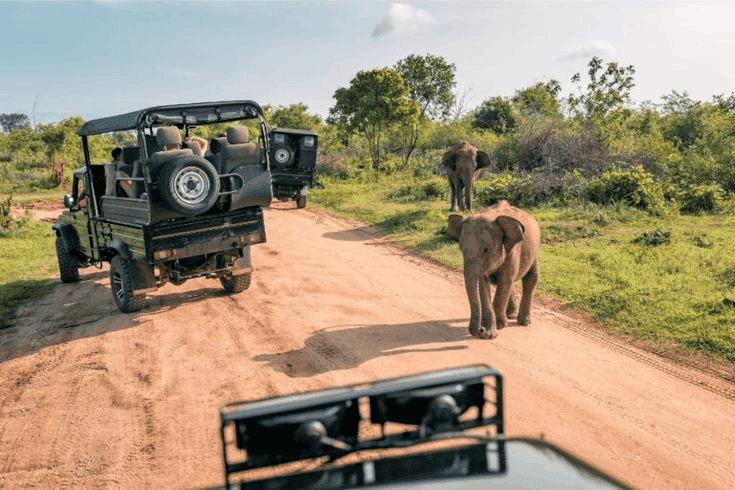
In the central highlands, Nuwara Eliya and Ella feature cool, crisp morning air and clear hiking conditions. Wildlife safaris in Yala and Udawalawe are highly rewarding during this period, as animals gather around shrinking waterholes. Travelers visiting in December should book private transport and boutique stays well in advance to secure preferred availability.
2. March to April - Dry Hill Country Treks & Cultural New Year
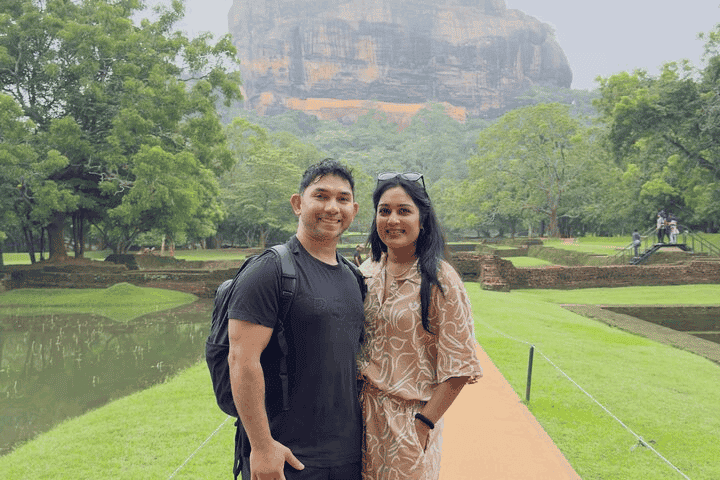
March brings warm, clear days across almost the entire country. Humidity remains manageable in the Cultural Triangle, making early morning ascents of Sigiriya Rock Fortress and hikes around Dambulla Cave Temple comfortable. By April, temperatures rise across the lowlands ahead of the Sinhala and Tamil New Year celebrations in mid-April.
Traveling during April offers a distinct opportunity to experience traditional village customs, festive food treats, and quiet roads while urban families celebrate at home. High-altitude hill country towns remain pleasant escapes from the lowland heat.
3. May to June - Early East Coast Season & Lush Landscapes
May marks the arrival of the southwest monsoon, bringing rainy spells to Colombo and Galle. However, the eastern coast awakens with brilliant sunshine. Beach resorts in Trincomalee, Nilaveli, and Pasikudah enter their prime season, offering glassy sea conditions suitable for scuba diving and sea turtle observation.
Surfers flock to Arugam Bay as southern ocean swells create world-class point breaks. Traveling inland during May and June yields significant value, as luxury tea estate bungalows and private safari lodges drop their seasonal tariffs.
4. July to August - Festival Season & Summer Holidays
July and August coincide with European and Australian winter holiday periods. While brief showers occasionally touch the southwest, the eastern beaches remain dry and vibrant. In the Cultural Triangle, dry conditions prevail, allowing seamless visits to ancient Polonnaruwa and Anuradhapura.
A major highlight of this period is the historic Kandy Esala Perahera festival, featuring grand night processions of traditional drummers, dancers, and decorated elephants. Wildlife enthusiasts can witness "The Gathering" in Minneriya National Park, where hundreds of wild Asian elephants congregate around the ancient reservoir bed.
5. September to November - Inter-Monsoon Shift & Scenic Value
September offers pleasant conditions along the east coast before monsoonal winds begin shifting in October. November serves as an inter-monsoonal transition month. Rainfall usually manifests as quick afternoon downpours rather than day-long rain, leaving morning hours sunny and agreeable for sightseeing.
This period turns the island's terraced rice paddies, tea gardens, and waterfalls exceptionally green and full. It is an excellent choice for budget-conscious travelers and photography enthusiasts seeking quiet historical ruins and low tourist density.
Regional Month Comparison: Where to Go WhenTo help you visual light conditions and seasonal shifts across major travel regions, refer to the decision matrix below:
South & West Coast (Galle, Mirissa, Bentota)Dec to AprilBeaches, Whale Watching, Water SportsMay to SeptSunny days, calm seas (Peak) vs Rough surf (Monsoon)Hill Country (Kandy, Ella, Nuwara Eliya)Dec to AprilScenic Train Rides, Hiking, Tea TastingOct to NovCool, crisp climate (Peak) vs Afternoon rain (Monsoon)East Coast (Trincomalee, Pasikudah, Arugam Bay)May to SeptDiving, Surfing, Snorkeling, Beach StaysOct to JanDry, bright skies (Peak) vs High winds & rain (Monsoon)Cultural Triangle (Sigiriya, Dambulla)Jan to SeptAncient Fortresses, Cave Temples, CyclingOct to DecWarm, clear mornings vs Occasional tropical showersNational Parks (Yala, Wilpattu, Udawalawe)Feb to JulyLeopard Tracking, Elephant Safaris, BirdingOct to NovHigh animal visibility near drying waterholesHow to Select the Best Month Based on Your Travel StyleChoosing your ideal travel window becomes straightforward when you align your main priorities with regional monsoons:
- Define your mandatory experiences: Decide whether ocean swimming, wildlife safaris, heritage trekking, or wellness retreats rank highest on your wishlist.
- Match your interests to the dry regional coast: Choose the southern coast between December and April for winter escapes, or pivot to the east coast from May to September for summer holidays.
- Evaluate seasonal flights and routing: Confirm international flight options; for example, direct winter flights or connecting routes through major aviation hubs. Check schedules directly with your chosen airline.
- Reserve private driver-guides for ultimate flexibility: A dedicated private vehicle and local driver-guide allow you to fine-tune daily schedules around localized weather variations.
Local tip: If your dream holiday includes a comprehensive island circuit covering Sigiriya, Kandy, Ella, and Mirissa, target February. It sits perfectly in the dry window for the central highlands and south coast, with lower rainfall and moderate crowd levels compared to late December.Practical Considerations for Your Sri Lanka Journey
Beyond weather patterns, practical logistics play a major role in planning your trip. As of November 2026, international travel to Sri Lanka remains streamlined under updated arrival guidelines. Nationals of 40 countries benefit from a free 30-day tourist ETA scheme offering double-entry access. Because rules can update, always verify your nationality's requirements on the official government ETA platform prior to booking flights.
Wellness travel continues to soar across the island. BookRetreats.com ranked Sri Lanka the top trending wellness destination for 2026 based on year-on-year growth in search interest on its platform. Combining a historic circuit with an authentic Ayurveda retreat in the lush hills or quiet coastal stretches works exceptionally well in dry shoulder months like March or September.
Plan It with Zephyra TravelsPlanning an island journey across changing seasons is effortless when guided by local expertise. Zephyra Travels, part of Zephyra Group, specializes in tailored private itineraries designed by native travel experts in Colombo. Rather than forcing your holiday into fixed coach schedules, our dedicated chauffeur-guides navigate optimal scenic routes, adjusting daily pacing to match real-time weather and personal interests.
Whether you desire a luxury honeymoon along southern bays, a family safari adventure, or a high-altitude tea country retreat, our local specialists ensure every detail is handled smoothly. Explore our customizable Sri Lanka tour packages to start designing your private island journey today.