
Understanding Sinhala and Tamil New Year: Traditions, Rituals, and Traveler Tips
Sinhala and Tamil New Year, widely known locally as Aluth Avurudda or Puththandu, is Sri Lanka's most significant cultural celebration marking the transition of the sun from Pisces to Aries. Celebrated annually in mid-April (typically on April 13 and 14), the festival unites Sinhalese Buddhists and Tamil Hindus in a nationwide observance governed by astrology, traditional games, sweet feasts, and family reunions.
For international visitors traveling across Sri Lanka during mid-April, the holiday transforms towns and villages into joyful community hubs. However, because commercial shops close and public transport operates on altered timetables, knowing what to anticipate ensures an enriching and seamless holiday journey.
At a Glance- Cultural Meaning: The end of the major agricultural harvest season and the astrological astronomical movement of the sun from Meena Rashiya (Pisces) into Mesha Rashiya (Aries).
- Key Observance Dates: Annually observed on April 13 and 14, guided by precise astrological calculation (Nekath).
- Who Celebrates: Sinhalese Buddhist and Tamil Hindu communities across the island.
- What Travelers Experience: Boiling of fresh milk in clay pots, oil lamps, rhythmic Rabana drumming, traditional outdoor village sports, and lavish spreads of sweetmeats like Kevum and Kokis.
- Logistics Impact: Major commercial businesses, banking institutions, and independent restaurants close for 2 to 4 days, requiring early transport and accommodation planning.
Sinhala and Tamil New Year is primarily a harvest and solar festival with centuries of historical roots. In traditional village agriculture, rural farming communities gathered their primary paddy yields prior to April. The festival provides a shared period of rest, thanksgiving, and renewal, honoring nature, familial bonds, and community harmony.
Unlike the western solar calendar, the timing of every single Avurudu custom is dictated by royal astrologers who calculate exact auspicious minutes known as Nekath. These astrological timings govern everything from lighting the hearth to the first bite of festive food.
The Core Auspicious Rituals ExplainedLocal tip: Avurudu is not a one-day party; it is a sequenced ritual lasting multiple days. Plan your rest days in comfortable boutique resorts or homestays where you can witness customs up close without needing city shopping.
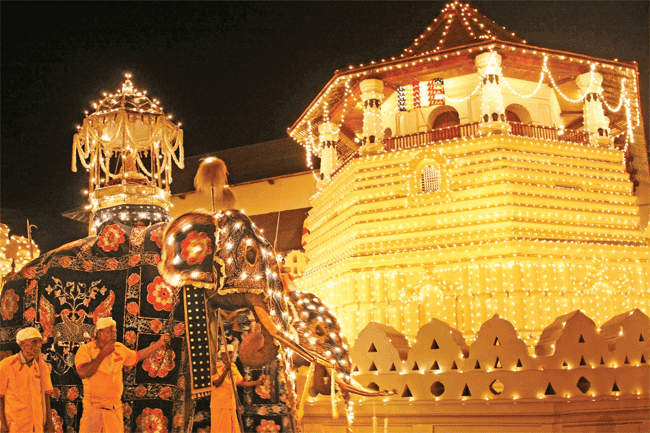
The rituals of the New Year unfold in a meticulous sequence observed simultaneously across millions of Sri Lankan homes. Experiencing these moments gives visitors rare insight into Sri Lanka's living cultural traditions.
- Punya Kalaya (The Neutral In-between Period): Known as the non-auspicious transitional window, work and cooking cease. Families visit local temples to engage in spiritual meditation, almsgiving, and merit-making.
- Lighting the Hearth (Gini Mælavīma): Dressed in designated auspicious colors, the head of the home kindles a brand-new fire under a brand-new clay pot. Fresh cow's milk is boiled until it bubbles over the rim on all four sides, symbolizing boundless prosperity and agricultural fertility.
- The First Meal (Ahara Anubhava): At the designated auspicious minute, the family gathers around the table to enjoy milk rice (Kiribath) and exchange sweetmeats, cementing familial unity.
- First Financial Transaction (Ganudenu): Transactions are made with clean water wells or family elders to bless the new economic year with prosperity and respect.
- The Anointing of Herbal Oil (Hisa Thel Gāma): A temple monk or respected elder massages fragrant herbal oils onto the heads of young and old, reciting protective stanzas to invite health and physical vitality.
Food sits at the very heart of the festival. An Avurudu table is a sensory masterpiece combining coconut milk, rice flour, fragrant treacle, and aromatic spices. If you are staying at an authentic resort or guest villa, you will encounter these staples on the morning spread:
- Kiribath: Fragrant rice cooked in rich coconut milk until creamy, sliced into diamonds, and served alongside fiery Lunu Miris (crushed red chili paste with shallots and Maldive fish).
- Konda Kevum: Deep-fried golden brown oil cakes made with rice flour and kithul jaggery treacle, skillfully crowned with a distinctive top knot during cooking.
- Kokis: Crispy, intricately molded yellow rosettes made from rice flour and coconut milk, providing a satisfying crunchy contrast to sweet treacle treats.
- Aasmi: Delicate lacy delicacies made from plant extracts and rice batter, fried crisp and drizzled with bright fuchsia sugar syrup.
- Aluwa: Soft, cardamom-spiced diamond lozenges crafted from roasted rice flour, cashew nuts, and thick molasses.
While the spiritual core remains identical, cultural expressions vary across regions and provinces. The comparison table below highlights what travelers can anticipate in different regions during mid-April:
Cultural TriangleSinhalese BuddhistVillage sports, folk games, traditional temple blessing ceremoniesImmersive rural heritage & authentic hospitalityJaffna & NorthTamil HinduTemple pujas, kolam threshold art, maruthu neer herbal ritualsDeep Hindu spiritual culture & unique regional cuisineSouthern CoastSinhalese BuddhistFamily beach gatherings, community games, festive hotel banquetsCombining beach holidays with vibrant village lifeCentral HighlandsMixed CommunitiesEstate worker festivals, hillside temple gatherings, home visitsChilly mountain scenery paired with warm hospitalityColombo CityCosmopolitanCity-wide quietness, luxury hotel culinary spreads, silent streetsUrban relaxation and five-star festival menusCommunity Games and Rural FestivitiesFollowing the formal auspicious ceremonies, communities pour into open village fields to take part in lively outdoor sports known as Avurudu Kreeda. These energetic spectacles carry on for several days throughout mid-April.
Witnessing or participating in these friendly games is an unforgettable experience for international travelers. Popular competitive games include:
- Kana Mutti Bindeema: Blindfolded contestants navigate an open lawn with a wooden pole attempting to smash hanging clay pots containing colored water or tokens.
- Gudu Keliya: A historic game played with two carved wooden sticks, similar to ancient bat-and-ball athletic pastimes.
- Kotta Pora: Pillow fighting while balanced on a suspended bamboo pole using only one hand, testing balance and laughter.
- Rabana Drumming: Women gather around a large shared floor drum warmed by hot coals underneath, drumming rhythmic folk poetry (Raban Pada).
- Avurudu Kumaraya & Kumariya: Graceful pageants where local village youths dress in authentic traditional royalty-inspired attire to be crowned festival prince and princess.
Traveling across Sri Lanka during the New Year window requires advance foresight. Because local drivers, restaurant owners, and guides return home to celebrate with their families, commercial activity pauses.
1. Transport and Roads
Public buses and provincial trains run on holiday schedules and become exceptionally crowded with locals heading upcountry immediately before the holidays. Conversely, major highways and urban Colombo streets become almost deserted on April 13 and 14. Having a private driver-guide arranged well beforehand ensures worry-free point-to-point transit.
2. Supermarkets and Restaurants
Independent restaurants, city retail shops, commercial markets, and bank branches shut their doors from the afternoon of April 12 through April 15. Standard hotel dining rooms and international chain supermarkets in major tourist zones remain operational, but travelers should keep adequate local currency cash in advance.
3. Sightseeing and National Parks
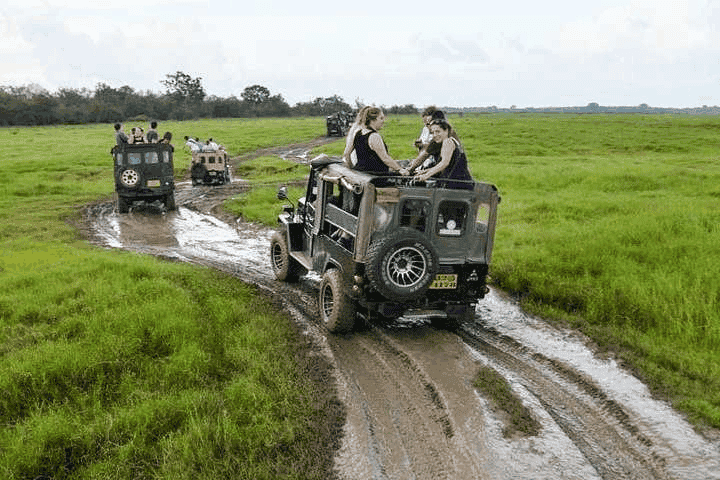
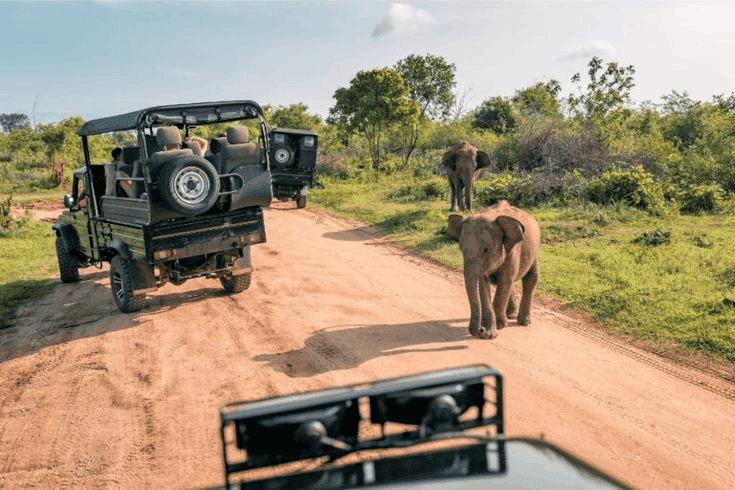
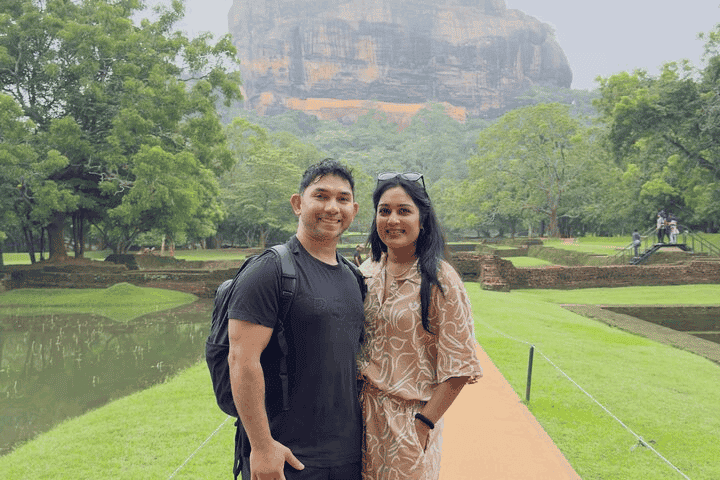
Most premier archaeological zones, including Sigiriya, Polonnaruwa, and major wildlife reserves like Yala and Wilpattu, generally remain open to visitors. However, official ticket offices may run on reduced shift staffing. Always confirm safari departures and entry permits with your local operator.
Plan It with Zephyra TravelsExperiencing the genuine warmth of Sinhala and Tamil New Year is among the most heartwarming moments any traveler can have in Sri Lanka. At Zephyra Travels, our team of local travel experts and dedicated chauffeur-guides arrange tailored private journeys that balance festival immersion with relaxed luxury. Whether you want to witness village cooking in a rural homestay or relax on quiet palm-fringed shores, we handle all timing, private transport, and boutique accommodation with care.
Explore our carefully crafted private tour packages to start designing your tailor-made Sri Lanka cultural itinerary today.