
Complete Island Blueprint: Practical Routes, Weather, and Local Advice
Planning a trip to Sri Lanka requires understanding its distinct geographical zones, dual monsoon cycles, and diverse regional highlights. Our ultimate Sri Lanka travel guide provides the exact logistics, regional breakdowns, and practical knowledge you need to turn a complex island route into a seamless journey.
Sri Lanka packs ancient UNESCO world heritage cities, mist-shrouded mountain tea estates, world-class wildlife reserves, and golden coastlines into a compact island. By planning your route around seasonal weather patterns and utilizing private chauffeured transport, you can explore the country comfortably without losing days to transit delays.
At a Glance- Ideal Duration: 10 to 14 days allows a balanced mix of heritage, hill country, wildlife, and beaches without rushing.
- Peak Season: The dry winter window from December through March brings prime weather to the south and west coasts, hill country, and Cultural Triangle.
- Entry Rules: As of October 2026, visitors must secure an approved online ETA prior to travel, with 30-day tourist ETAs provided free of fee for nationals of 40 eligible countries.
- Getting Around: Private air-conditioned vehicle hire with an experienced English-speaking driver-guide offers the greatest flexibility, comfort, and local insight across mountain roads.
- Key Highlights: Sigiriya Lion Rock, the Kandy to Ella scenic railway, leopard spotting in Yala, and the colonial ramparts of Galle Fort.
Sri Lanka experiences two contrasting weather systems driven by regional monsoons, which means there is glorious sunshine somewhere on the island year-round. Choosing the right side of the country for your travel dates ensures pleasant outdoor activities and safe ocean swimming.
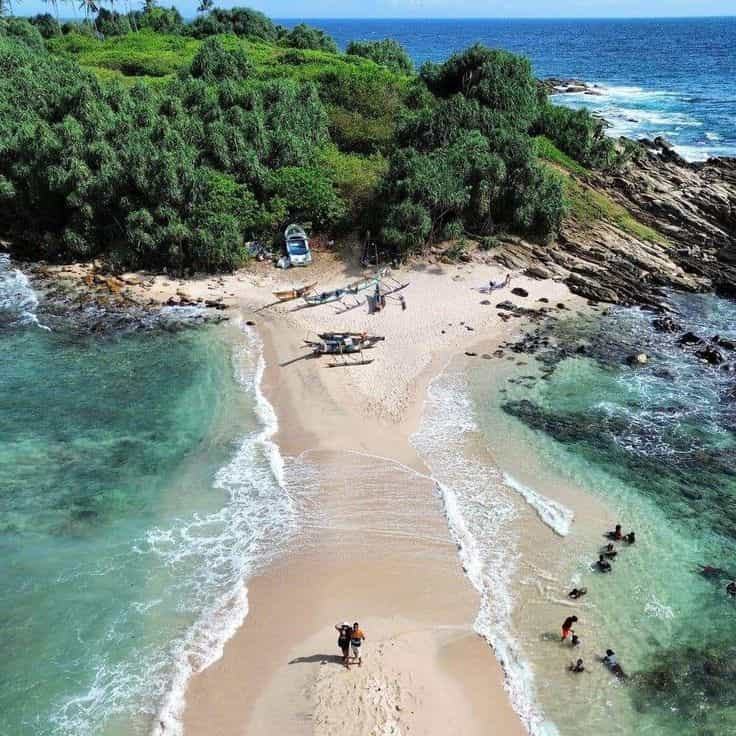
Between December and April, the southwest coast, southern beaches, and central highlands enjoy clear skies, calm seas, and minimal rain. This period represents the traditional high season, drawing travelers escaping Northern Hemisphere winters to shores like Mirissa, Bentota, and Tangalle.
Conversely, from May through September, the southwest monsoon brings rainfall to the southern and western regions. During these months, the east coast, including Pasikuda, Trincomalee, and Arugam Bay, experiences dry, sunny weather and smooth water conditions ideal for diving, surfing, and beach lounging.
Local tip: Never cancel hill country hikes due to a passing forecast. Mountain weather near Nuwara Eliya and Ella shifts quickly within a single afternoon, clearing into crisp, blue-sky vistas.Regional Comparison: Planning Your Focus
To help you structure your itinerary efficiently, consider how Sri Lanka's primary touring regions align with your interests and travel months:
Cultural TriangleSigiriya, Dambulla, PolonnaruwaJanuary to SeptemberAncient ruins, cave temples, archaeologyCentral HighlandsKandy, Nuwara Eliya, EllaDecember to AprilTea estates, scenic train rides, cool climateSouth CoastGalle, Mirissa, TangalleDecember to AprilBeaches, colonial fort, whale watchingEast CoastTrincomalee, Passikudah, Arugam BayMay to SeptemberSurfing, marine parks, calm watersWildlife BeltYala, Udawalawe, WilpattuYear-round (varies by park)Wild elephants, leopards, birdlifeTop Highlights to Include in Your ItineraryStructuring your route around well-connected geographic corridors minimizes driving hours while showcasing the island's striking variety.
1. Sigiriya and the Cultural Triangle - Best for History Buffs
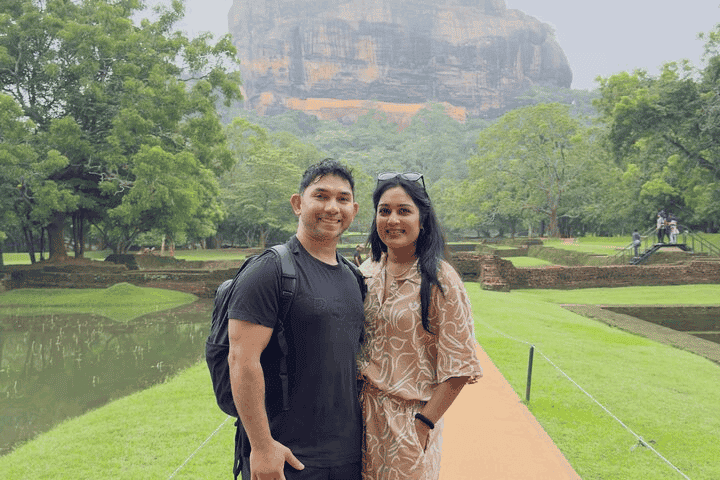
Rising nearly 200 meters above the dry-zone plains, the fifth-century fortress of Sigiriya features ancient frescoes, intricate water gardens, and sweeping panoramic views from its summit. Base yourself in Habarana or Sigiriya town to easily explore the nearby Dambulla Cave Temple and the medieval ruins of Polonnaruwa.
2. The Central Highlands and Scenic Train - Best for Dramatic Landscapes
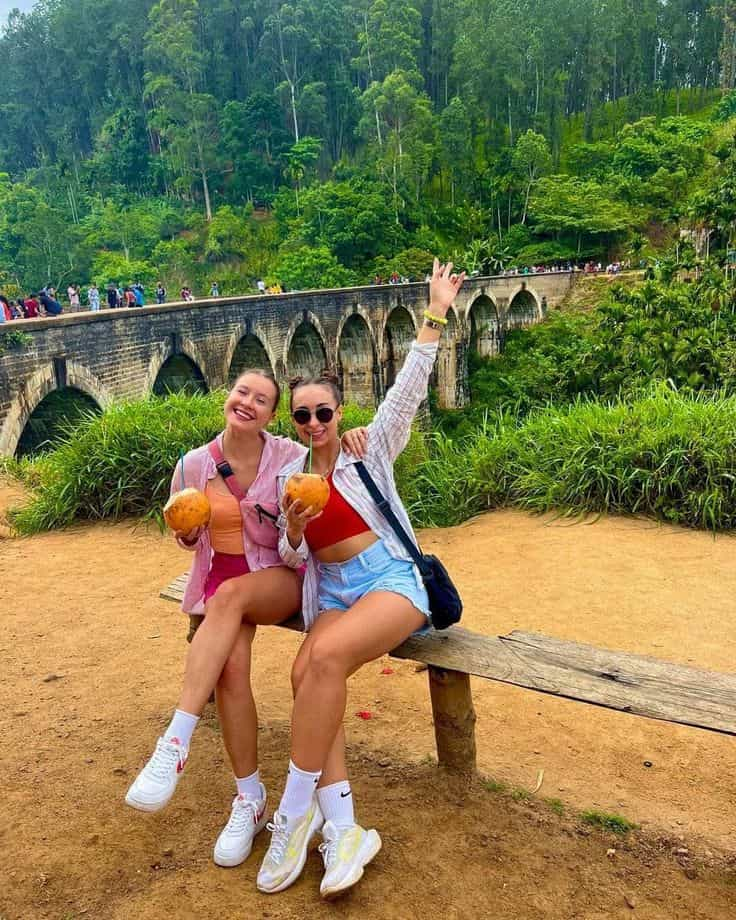
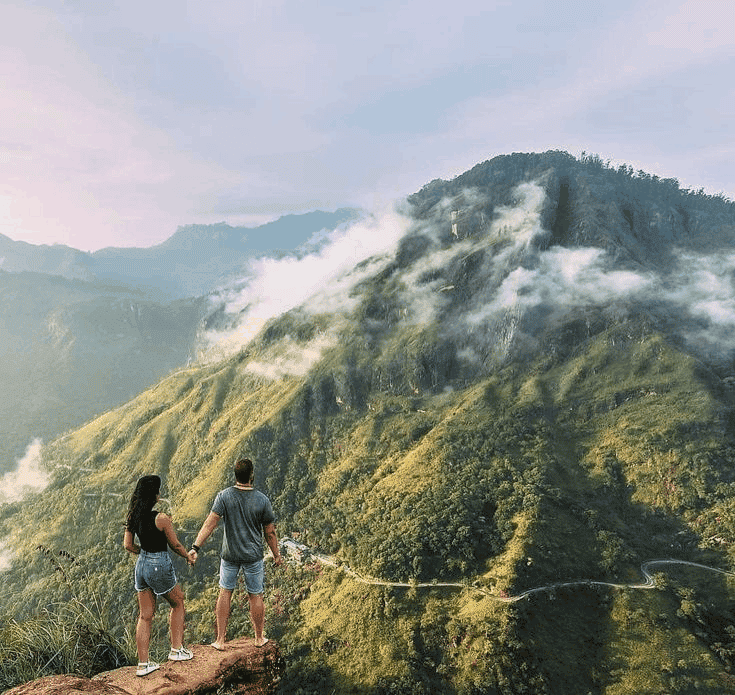
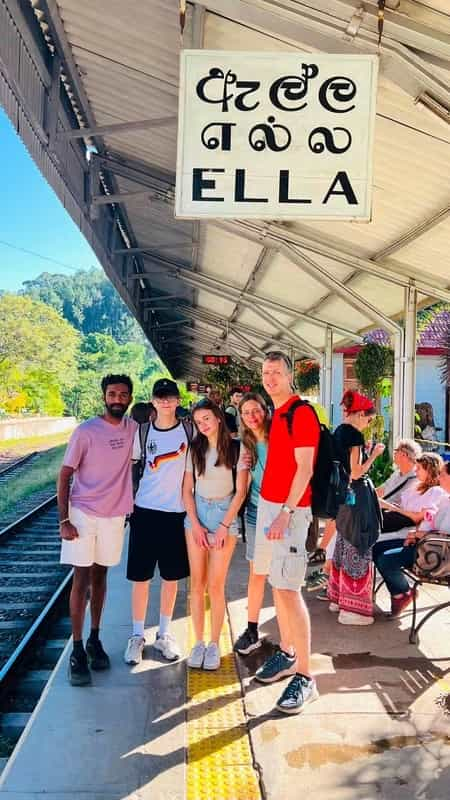
Traversing mountain ridges carpeted with emerald tea bushes, the train journey between Kandy, Nanu Oya (Nuwara Eliya), and Ella ranks among the world's most scenic rail experiences. In Ella, hike Little Adam's Peak or watch trains cross the iconic Nine Arches Bridge surrounded by lush forest.
3. Southern Wildlife Safaris - Best for Big Game Encounters
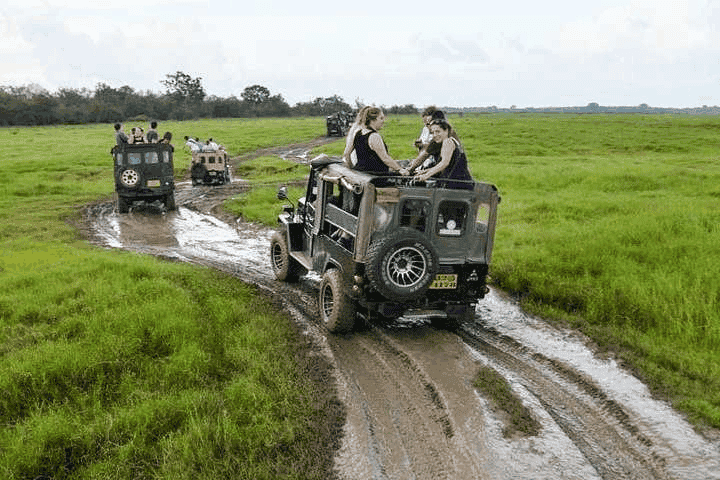
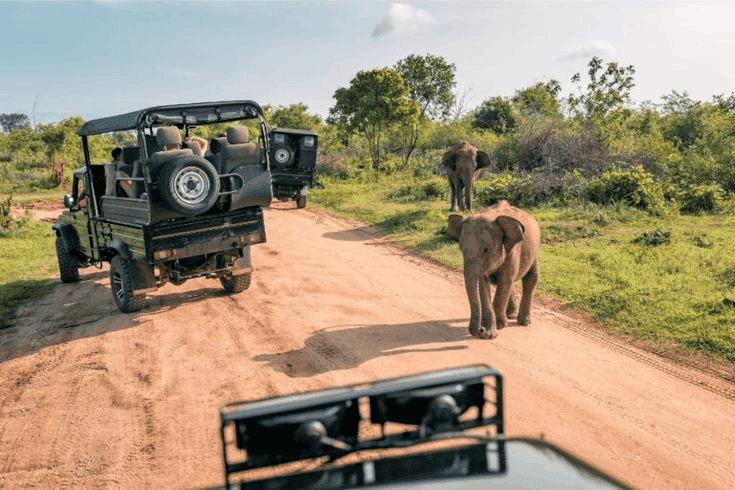
Sri Lanka holds some of the highest densities of leopards and Asian elephants on earth. A morning game drive through Yala National Park offers opportunities to spot leopards, sloth bears, and mugger crocodiles, while Udawalawe National Park guarantees frequent sightings of wild elephant herds roaming open grasslands.
4. Galle Fort and the Southern Beaches - Best for Coastal Culture
The UNESCO-listed Galle Fort combines preserved 17th-century Dutch colonial architecture with boutique cafes, artisan jewelers, and seaside bastions. Further east along the shoreline, crescent bays like Mirissa and Hiriketiya offer beachside dining and scenic coastal relaxation.
How to Get Around Sri Lanka EfficientlyNavigating Sri Lanka's varied terrain requires careful transport choices, as winding mountain passes and rural roads take longer to traverse than distances might suggest.
- Hire a Private Chauffeur-Guide: The most relaxing and efficient way to explore the island is by booking a dedicated, air-conditioned vehicle with an experienced local driver. This eliminates navigational stress and provides personalized stops along the way.
- Reserve Scenic Train Tickets in Advance: For high-demand rail segments such as Kandy to Ella, first-class and second-class reserved seating sells out weeks ahead; secure these reservations through your tour operator as early as possible.
- Use Short-Hop Taxis or Tuk-Tuks for Towns: Within compact destinations like Galle, Colombo, or Kandy, ride-hailing apps or metered three-wheelers offer swift point-to-point transit.
Familiarizing yourself with everyday local customs and logistical realities ensures a smooth, respectful journey.
Temple Etiquette and Attire
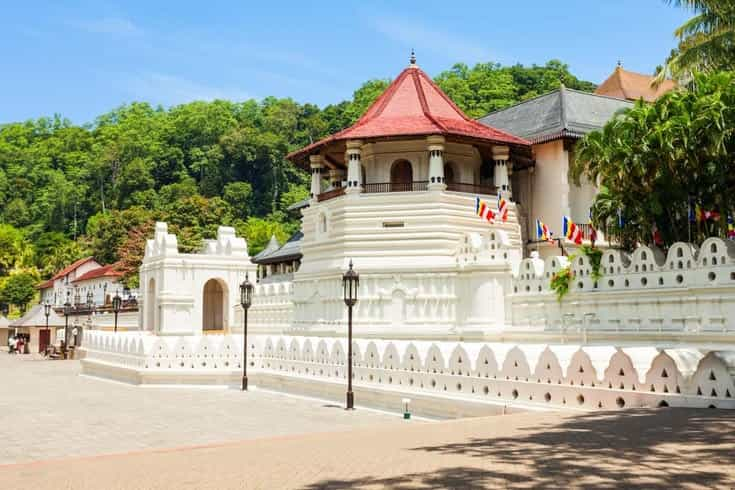
When entering Buddhist or Hindu religious sites, remove your shoes and hats. Both men and women must cover their shoulders and knees. White or light-colored modest clothing is customary and appreciated when visiting sacred places like the Temple of the Sacred Tooth Relic in Kandy.
Money and Connectivity
The local currency is the Sri Lankan Rupee (LKR). While international credit cards are widely accepted at established hotels and restaurants, carrying cash is essential for rural tea stops, roadside fruit stands, and tuk-tuk fares. Traveler SIM cards with generous data allowances can be purchased quickly in the arrivals terminal at Bandaranaike International Airport.
Plan It with Zephyra TravelsAt Zephyra Travels, we design customized private journeys led by handpicked local driver-guides who know every turn of the island. Supported by the technological foundation of Zephyra Group, our Colombo-based team handles all logistics—from route pacing and luxury transfers to safari jeeps and train ticketing—so you can fully immerse yourself in the journey.
Ready to turn this ultimate Sri Lanka travel guide into your own custom island escape? Explore our handcrafted private Sri Lanka tour packages and begin tailoring your dream itinerary with our travel specialists today.