Trail Guide vs Driver in Sri Lanka: Understanding Your Trekking Support
An accredited trail guide physically walks trekking routes alongside you to provide on-foot navigation and field safety, whereas a private chauffeur-driver handles road transportation, luggage transfers, and trailhead pickups. Understanding the difference between a driver-guide and a dedicated trail guide ensures realistic expectations, proper safety on remote paths, and seamless logistics across Sri Lanka’s top hiking regions like the Pekoe Trail and the Knuckles Mountain Range.
At a Glance- Chauffeur-Drivers: Transfer you safely to trailheads and reposition the vehicle to stage exit points, but do not accompany you on foot hikes.
- Accredited Trail Guides: Walk every kilometer on foot, providing real-time route-finding, wilderness safety, and local botanical insights.
- Safety Compliance: High-altitude and dense forest reserves like Knuckles legally or practically require an accredited local trekking guide.
- Luggage Security: Your private vehicle remains locked and safe with your driver while you hike hands-free between mountain stages.
- Combined Coordination: Professional tour operators pair a private driver with stationed local trail guides for complete peace of mind.
A Sri Lankan chauffeur-driver is licensed for road transportation and multi-day travel logistics, while an accredited trail guide is trained in wilderness navigation, field safety, and localized trekking routes. Conflating these two distinct roles is a common misstep for travelers planning active itineraries in the island's central highlands.
Your private driver-guide handles everything related to transport. As of November 2026, private touring remains the most efficient way to navigate Sri Lanka's winding mountain roads. Your driver monitors daily road conditions, manages luggage transfers between hotels, ensures on-time drop-offs at remote trailheads, and waits patiently at designated finish points. However, professional chauffeur-drivers are not trained or equipped to lead multi-hour mountain treks through jungle, tea plantations, or high-elevation terrain.
In contrast, an accredited trail guide is an on-foot specialist. They meet you at the start of a hiking stage and physically walk the entire route alongside you. They carry wilderness first-aid kits, navigate unmarked junction paths, manage leech prevention in damp forest zones, and explain the surrounding flora, fauna, and local culture. Having a dedicated trail guide ensures you never lose the path when trekking long-distance routes like the Pekoe Trail.
Why Your Chauffeur-Driver Cannot Walk Multi-Stage TrailsChauffeur-drivers cannot accompany travelers on multi-hour foot treks because they must safely reposition the tour vehicle to the designated trail end point while maintaining mandated rest periods for driving safety. Expecting a driver to walk a 12-kilometer stage creates serious logistical and safety risks.
Many popular hiking routes in Sri Lanka, including individual stages of the Pekoe Trail, are point-to-point walks rather than circular loops. A trek might begin in Hanthana near Kandy and conclude several hours later in Loolkandura. While you are hiking across mountain ridges, your driver must drive 1 to 2 hours along narrow, winding highland roads to reach the exit point before you complete your walk.
Furthermore, passenger vehicle safety requires drivers to remain well-rested. Driving mountain roads between Kandy, Nuwara Eliya, and Ella demands sharp concentration. If a driver were to hike 15 kilometers over rugged mountain terrain before getting behind the wheel, driver fatigue would compromise road safety. Additionally, leaving a private tour vehicle unattended at an isolated trailhead for six hours poses security risks for your stored luggage and personal belongings.
When You Need an On-Foot Trekking Guide in Sri LankaYou need an accredited on-foot trekking guide for dense rainforest trails, multi-day routes with changing weather, and protected areas like the Knuckles Forest Reserve where local permits and expert navigation are vital. Simple, clearly marked trails can often be enjoyed with basic trailhead instructions, but remote routes require specialized field support.
1. High-Need Trekking Routes
Remote and dense wilderness areas require an accredited trail guide who walks with you. Examples include:
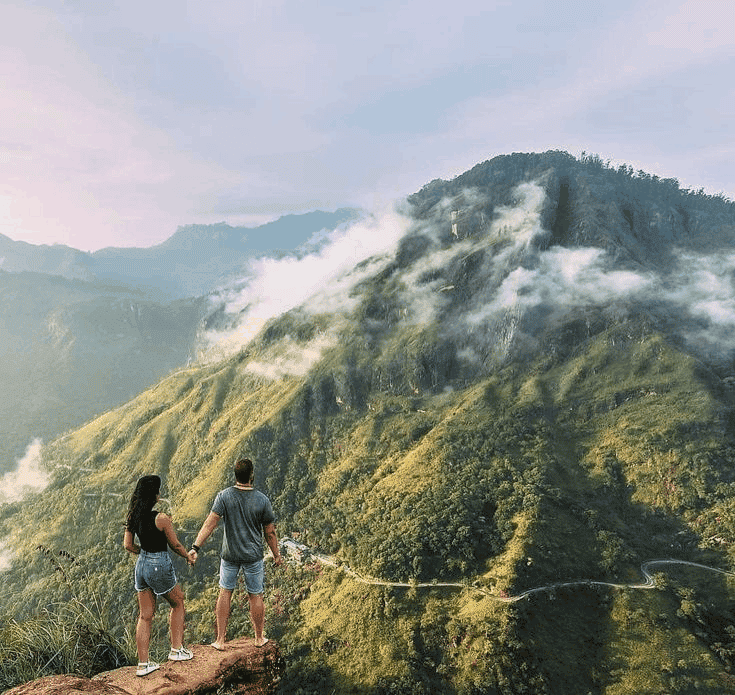
- Knuckles Mountain Range: Weather turns rapidly, trails are unmarked, and mist frequently obscures landmarks. A local guide is essential for safe navigation and park compliance.
- Pekoe Trail Remote Stages: Certain middle stages cross active tea estates with dozens of crisscrossing worker footpaths where losing the main trail is common.
- Sinharaja Rain Forest: Dense canopy cover, thick undergrowth, and wildlife hazards mean mandatory certified park guides must accompany all walkers on foot.
2. Moderate-Need Trekking Routes
Well-traveled or semi-marked routes where a trail guide adds valuable interpretation, local context, and navigation safety:
- Horton Plains & World's End: The main circular loop is clear, but localized guides enrich the experience with birding and endemic wildlife knowledge.
- Adam's Peak (Sri Pada): Highly visible path, but nighttime ascents during off-peak monsoonal months benefit from an experienced local escort.
- Ella Rock: Features ambiguous tracks through private farmland where local route guidance prevents getting turned around.
3. Low-Need Self-Guided Trails
Simple, well-frequented paths where your private driver drops you at the trailhead and collects you at the designated exit point without an on-foot guide:
- Little Adam's Peak: A paved, heavily stepped path near Ella town easily navigated independently.
- Nine Arches Bridge Walk: Short, straight track along train tracks or road access points.
Choosing the right combination of road transport and trail support depends on your hiking itinerary, fitness level, and desired comfort. The following table highlights how driver services compare with accredited trail guide support across key travel factors.
Private Driver-GuideNo (Vehicle Stationed)