Elevating Travel Standards Through Tourism Industry Capacity Building in Sri Lanka
Tourism industry capacity building in Sri Lanka is transforming how international travelers experience the island by raising professional service standards, upskilling local chauffeur-guides, and building collaborative destination networks. As of November 2026, Sri Lanka has welcomed over two million international visitors, making structured training for local tour operators, hotel partners, and trail managers essential for delivering high-quality, responsible travel experiences.
From the mist-shrouded tea plantations of the central highlands to wildlife national parks and coastal heritage cities, modern capacity-building initiatives ensure that ground teams possess deep destination knowledge, rigorous safety training, and fluent cross-cultural communication. By investing in local human capital and institutional partnerships, Sri Lanka connects international guests directly with authentic regional experiences while protecting delicate natural environments.
At a Glance- Driver-Guide Professionalism: Continuous skill development programs equip professional driver-guides with advanced safety protocols, vehicle maintenance standards, and storytelling skills.
- Structured Trail Systems: Initiatives like the Pekoe Trail DMC Partner programme streamline visitor pass access, stage logistics, and trail safety knowledge for tour operators.
- Community Economic Inclusion: Capacity building creates direct economic opportunities for tea country villages, regional artisans, and female entrepreneurs across rural Sri Lanka.
- Environmental Stewardship: Sustainability training ensures local crews implement leave-no-trace ethics and responsible wildlife interaction guidelines.
- Enhanced Traveler Comfort: Upgraded operational systems result in punctual private transfers, transparent itineraries, and smooth ground coordination.
Tourism industry capacity building refers to systematic professional training, institutional networking, and operational standardization designed to help local travel professionals deliver safe, educational, and seamless visitor journeys. In Sri Lanka, structured capacity building bridges the gap between raw, breathtaking natural attractions and world-class hospitality services.
When destination management companies (DMCs), private tour operators, and regional trail committees collaborate, travel products become more resilient and reliable. Training programs focus on critical operational areas, including crisis handling, first-aid certification, eco-friendly logistics, digital reservation tools, and detailed knowledge of regional history and biodiversity. For travelers, this translates into hassle-free exploration guided by confident local experts.
Key Pillars of Tourism Capacity Building in Sri Lanka1. Professional Chauffeur-Guide Upskilling
Private driver-guides are the backbone of inbound Sri Lankan travel. Capacity building initiatives for drivers cover practical vehicle safety, defensive driving on mountain passes, defensive navigation during monsoon transitions, and customer care tailored to diverse international cultures. Guides learn to interpret cultural heritage sites, explain native wildlife behavior neutrally, and adapt daily schedules according to guest preferences and weather changes.
2. Trail Management and Commercial Integration
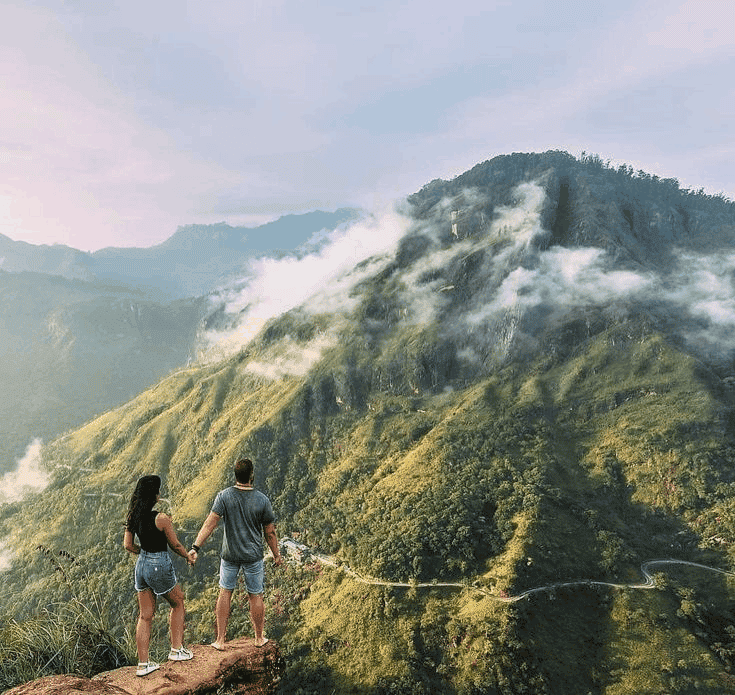
Long-distance trekking routes like The Pekoe Trail rely heavily on DMC engagement to ensure visitor safety and commercial viability. Capacity building in trail tourism involves training tour operators on trail stages, elevation profiles, terrain difficulties, and local logistics. Dedicated DMC partner programs provide structured access to pass voucher systems, ensuring that trekking permits are handled efficiently while generating direct support for trail maintenance and local community initiatives.
3. Women’s Empowerment and Rural Livelihoods
Sustainable tourism requires spreading financial benefits beyond major urban hubs. Capacity building programs in rural regions focus on training women as local nature guides, homestay hosts, traditional culinary instructors, and craft artisans. In central Sri Lanka's tea estates, skill-building workshops enable estate communities to offer guided village walks and tea-tasting sessions, providing supplementary income while enriching visitor itineraries.
4. Environmental Conservation and Safety Standards
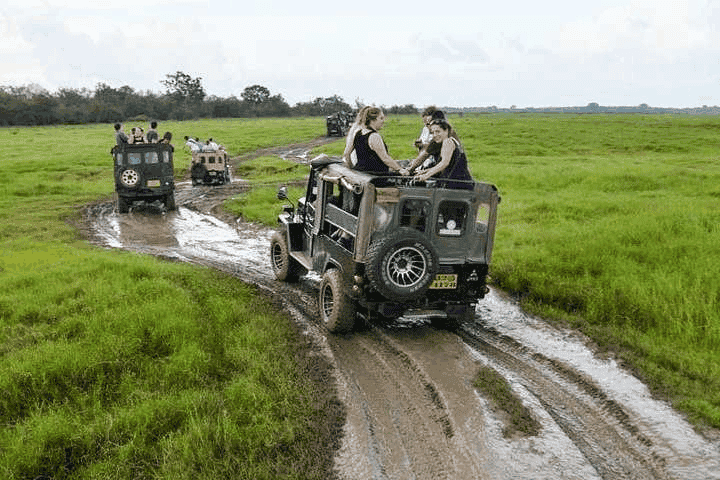
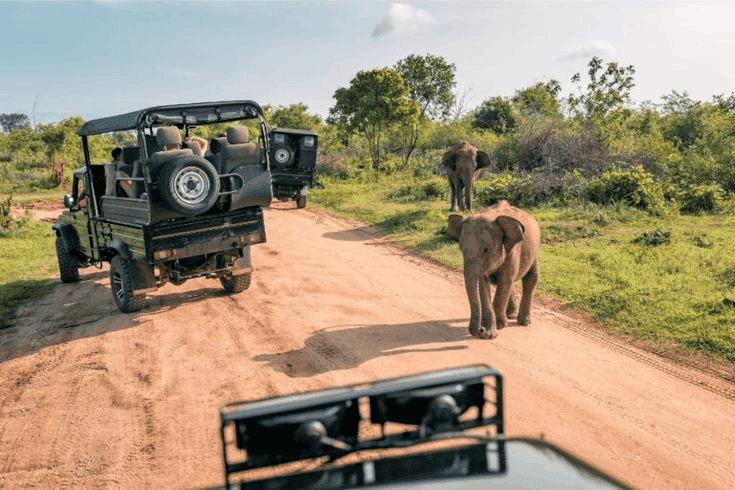
Protecting Sri Lanka's biodiversity requires continuous education for safari jeep drivers, trek leaders, and boat captains. Capacity building projects emphasize strict distance rules near wildlife in parks like Yala and Wilpattu, ocean safety standards during coastal excursions, and waste reduction along trekking corridors. These initiatives preserve fragile ecosystems so future visitors can enjoy pristine landscapes.
Comparing Capacity Building Sectors across Sri Lanka TourismDifferent sectors of Sri Lanka's travel industry focus on specific training goals to enhance visitor safety, comfort, and cultural immersion.
Private Chauffeur ServicesDefensive driving, historical context, guest relationsReliable, punctual road travelIndependent couples and familiesRelaxed, safe transfers between key island regionsHighland Trekking & TrailsStage orientation, voucher systems, emergency responseStreamlined trail passes and stage planningHikers and active travelersConfined route safety with verified trail logisticsWildlife SafarisAnimal behavior, track safety, park regulationsEthical wildlife viewing practicesNature and wildlife enthusiastsHigh-probability, non-intrusive wildlife sightingsHeritage & Cultural SitesArchaeological history, etiquette, language skillsDeep, authentic narrative interpretationCulture seekers and photography groupsEngaging stories behind ancient temples and ruinsWellness & AyurvedaTraditional therapy standards, guest consultationConsistent quality across wellness staysRetreat guests and wellness travelersProfessional, medically safe holistic treatmentsHow Capacity Building Delivers a Superior Travel ExperienceWorking with trained, certified local travel professionals directly influences the flow and enjoyment of your trip. Here is how structured industry training enhances your private journey through Sri Lanka:
- Transparent Planning and Route Logistics: Tour operators who participate in capacity-building programs understand optimal travel times between destinations, ensuring realistic day-to-day pacing without excessive road hours.
- Seamless Entry and Trail Clearances: Trained ground partners manage site ticketing, national park entries, and trail vouchers advance-of-arrival, eliminating queue delays.
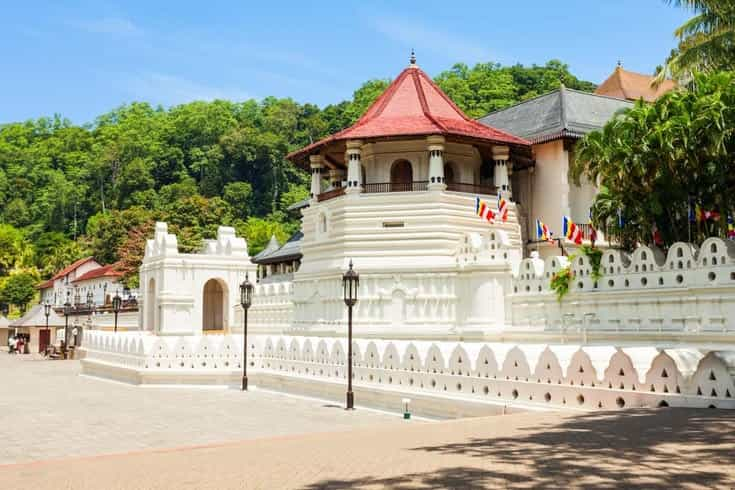
- Expert Local Storytelling: Qualified guides bring historical landmarks like Sigiriya, Polonnaruwa, and Kandy to life through fascinating historical context and local legends.
- Proactive Safety and Flexibility: When weather conditions shift or traffic delays occur, experienced drivers quickly select comfortable alternative scenic routes.
- Support for Authentic Community Operations: Your trip directly supports trained local hosts, small family restaurants, and estate community projects along your travel route.
Practical Planning Tips for Travelers in 2026Local tip: When planning a trip that includes trekking or specialized regional tours, choose a local operator that works directly with regional trail initiatives. Trained teams have up-to-date knowledge on trail conditions, stage closures, and weather considerations, ensuring a safe and seamless journey.
As of November 2026, international travel to Sri Lanka continues to experience steady growth, supported by expanded flight schedules and streamlined entry procedures. Keep these practical tips in mind when organizing your itinerary:
- Verify ETA Entry Requirements: Travelers from 40 eligible countries can obtain a free 30-day tourist ETA (double entry within 30 days). Always confirm your nationality's current entry guidelines on the official ETA portal prior to departure.
- Confirm Direct and Transit Flights: Major international carriers, including winter seasonal services from London Gatwick to Colombo, connect key global hubs to Bandaranaike International Airport. Check flight schedules directly with your airline.
- Select Certified Private Chauffeurs: Hiring an experienced, English-speaking driver-guide provides maximum flexibility and comfort, particularly when navigating winding hill country routes between Kandy, Nuwara Eliya, and Ella.
- Plan Around Regional Monsoons: Sri Lanka experiences dual weather zones; the southwest coast and hill country enjoy prime dry weather from December to April, while the east coast shines from May to September.
At Zephyra Travels, we believe that world-class travel experiences stem directly from continuous sustainable travel infrastructure and local expert training. As a registered Sri Lankan inbound tour operator based in Colombo, our team works closely with verified driver-guides, regional conservation groups, and community trail initiatives across the island. We take pride in building tailored itineraries that balance famous bucket-list landmarks with quiet, authentic local encounters.
Whether you are seeking a multi-day private tour through the Cultural Triangle, a scenic rail and trekking journey along mountain stages, or a relaxed coastal getaway, our local travel experts are here to design your perfect vacation. Explore our full range of handcrafted private itineraries by visiting our Sri Lanka private tour packages page and start planning your customized island escape today.