Navigating Sri Lanka Weather by Month: A Month-by-Month Regional Guide
Planning a trip around Sri Lanka weather by month is surprisingly simple once you understand the island's dual-monsoon dynamics. Because two distinct weather systems operate on opposing schedules across opposite sides of the country, dry and sunny conditions exist somewhere in Sri Lanka during every month of the year.
Whether you dream of palm-fringed southern beaches, game drives in leopard-dense national parks, or scenic train journeys through mist-shrouded tea plantations, matching your travel dates with regional weather patterns ensures optimal conditions. As of November 2026, international visitor numbers have crossed two million, driven by travelers seeking flexible private routes that adapt perfectly to localized weather windows.
At a Glance- January to March: Peak dry season for the south coast, west coast, Cultural Triangle, and central hill country.
- April: Island-wide warmth, calm sea conditions on all coasts, and ideal conditions for full-island circuits.
- May to August: The Southwest monsoon brings rainfall to Colombo and Galle, while the east coast (Trincomalee, Pasikuda, Arugam Bay) enjoys peak dry sunshine.
- September to November: Inter-monsoonal transition periods featuring short afternoon tropical downpours and lush green countryside.
- December: Return of sunny winter weather across southern beaches and central highlands as peak international travel season begins.
Sri Lanka weather by month is defined by two primary monsoon systems separated by short inter-monsoonal transition periods. The Yala monsoon blows from the Indian Ocean in the southwest between May and September, watering the southwestern quarter of the island while leaving the east and north dry and clear. Conversely, the Northeast monsoon (Maha monsoon) delivers moisture from the Bay of Bengal to the northern and eastern regions between October and January, leaving southern shores sunny and inviting.
Because central mountain ranges rising above 2,000 meters act as a massive climatic barrier, rain falling on one slope rarely crosses to the other side. Consequently, selecting the wrong coast for a specific month can result in high ocean swells and rough waters, whereas driving just two or three hours inland or across to the opposite coast reveals calm turquoise seas and brilliant sunshine.
Month-by-Month Sri Lanka Weather BreakdownJanuary to March: Peak Season in the South, West, and Hill Country
The first quarter of the year represents the peak dry season for Sri Lanka's most iconic western and southern destinations. Temperatures along the coast hover around comfortable daytime highs of 29 to 31 degrees Celsius with minimal rainfall and low humidity.
- January: Excellent coastal weather from Negombo down to Mirissa and Tangalle. Chilly evenings in Nuwara Eliya create ideal conditions for tea factory tours and hiking.
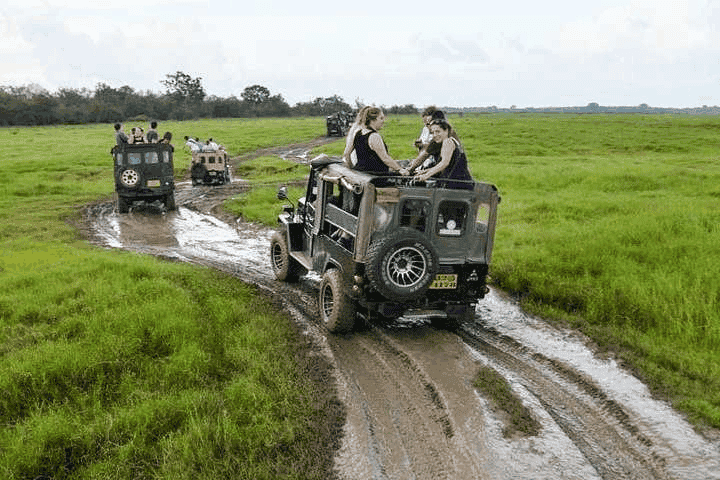
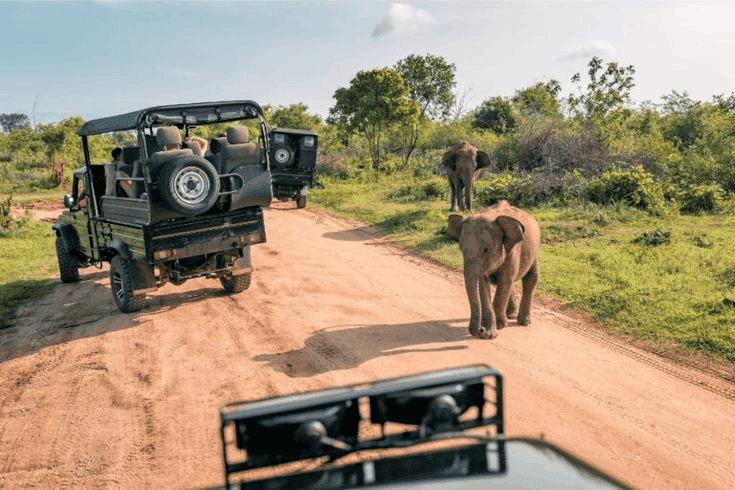
- February: Statistically one of the driest months nationwide. Wildlife safaris in Yala and Wilpattu National Parks yield exceptional wildlife sightings around shrinking waterholes.
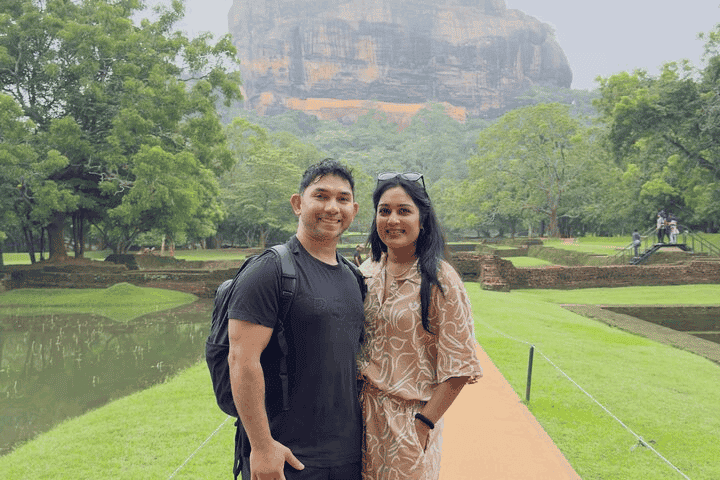
- March: Temperatures rise slightly across the Cultural Triangle, making early morning climbs of Sigiriya Rock Fortress essential before midday heat sets in.
April: Inter-Monsoonal Heat and Island-Wide Transition
April is widely recognized as the warmest month across Sri Lanka, but it also brings exceptionally calm ocean waters surrounding the entire island. As atmospheric winds shift between monsoon cycles, sea swells flatten, creating ideal conditions for scuba diving, coastal boat trips, and deep-sea fishing.
Daytime temperatures in Colombo and Sigiriya frequently reach 33 to 35 degrees Celsius. Brief late-afternoon thunderstorms bring pleasant evening cooling. April is also when Sri Lankans celebrate the Sinhala and Tamil New Year (Avurudu), filling regional towns with festive atmosphere and cultural tradition.
May to August: East Coast Sunshine and Southwest Monsoon
When the Yala monsoon settles over southwestern Sri Lanka from May through September, smart travel itineraries pivot toward the eastern coastline and northern plains. While southwest beaches experience high wave action and intermittent showers, eastern shorelines enjoy bright blue skies and tranquil waters.
- May: Transition month where rain increases in Galle and Bentota, while east coast resort areas around Pasikuda and Trincomalee open for peak beach season.
- June: World-class surf breaks in Arugam Bay reach prime condition. Meanwhile, the Cultural Triangle remains dry, perfect for visiting ancient ruins at Polonnaruwa and Anuradhapura.
- July: Ideal conditions for viewing the annual elephant gathering in Minneriya National Park, where hundreds of wild Asian elephants congregate around historic reservoirs.
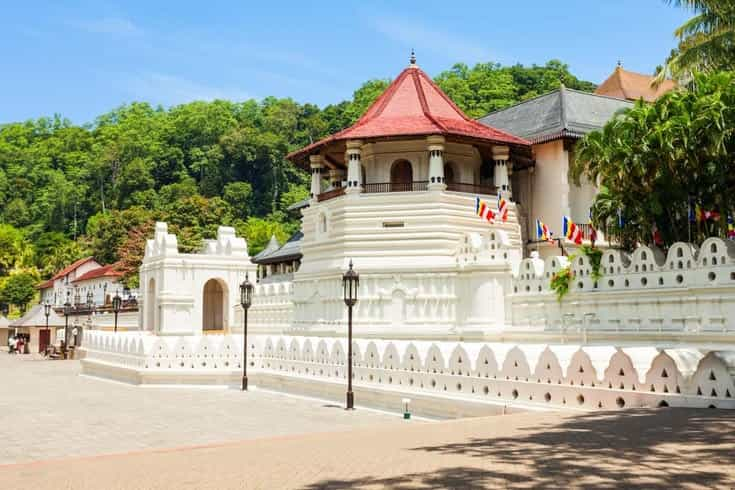
- August: Pleasant travel weather across central and eastern regions coincides with the world-famous Kandy Esala Perahera festival, drawing visitors to the cultural hill capital.
September to November: Inter-Monsoons and Changing Winds
Autumn brings the second inter-monsoonal period, characterized by variable weather patterns and lush, green landscapes across the island. Rains during these months typically manifest as sudden afternoon or evening tropical bursts rather than full-day gray rain, leaving mornings clear for sightseeing.
As of November 2026, foreign arrivals hit record monthly totals in October, demonstrating that modern travelers increasingly appreciate these shoulder months for lower crowd levels and lower luxury resort rates. Travelers visiting during this period enjoy full waterfalls in the central highlands and active wildlife in Udawalawe and Wilpattu.
December: The Return of Peak Winter Touring
By December, the Yala monsoon has completely dissipated, bringing dry, warm sunshine back to southern and western shores. The period from December through April marks the pinnacle of international travel to Sri Lanka. Direct flight choices have expanded, with British Airways operating seasonal non-stop flights from London Gatwick to Colombo three times weekly during the winter season.
Bookings for Ayurveda wellness retreats also peak in winter. BookRetreats.com ranked Sri Lanka as the top trending wellness destination for 2026 by year-on-year growth in platform interest, as international guests seek warm tropical climates combined with holistic rejuvenation.
Regional Weather Comparison MatrixJan - MarDry & Sunny (Peak)Occasional RainDry & WarmClear & CoolAprWarm & Calm SeasWarm & Calm SeasHot & DryPleasant & ClearMay - JunMonsoon ShowersDry & Sunny (Peak)Dry & BreezyModerate RainsJul - AugModerate ShowersDry & SunnyDry & WarmPleasant & MistSep - OctInter-monsoon RainTransition RainsAfternoon ShowersFrequent RainsNov - DecClearing to SunshineNortheast RainsClearing WeatherCool & Crisp4 Steps to Build a Weather-Optimized Sri Lanka Itinerary- Identify Your Core Priorities: Determine whether your primary focus is ocean swimming, high-altitude trekking, ancient heritage, or wildlife photography.
- Match Destinations to the Monthly Monsoons: Choose southwestern beaches (Hikkaduwa, Mirissa, Bentota) from November to April, or eastern beaches (Trincomalee, Pasikuda, Arugam Bay) from May to September.
- Schedule Outdoor Activities for Mornings: Regardless of season, tropical rainfall almost always occurs during late afternoons, leaving mornings bright and sunny for sightseeing.
- Hire a Flexible Private Chauffeur: Travel conditions in tropical island environments can shift; a dedicated private driver allows you to tweak daily departure times and indoor-outdoor activity sequences easily.
Plan It with Zephyra TravelsLocal tip: Never cancel an excursion due to a blanket rainfall forecast app on your phone. Tropical island forecasts often display rain icons for an entire region even when downpours only last 30 minutes in localized pockets.
At Zephyra Travels, our local travel experts and driver-guides monitor real-time weather and road conditions across all nine provinces. As a registered Sri Lankan inbound tour operator, we craft custom private itineraries that keep you in dry, comfortable locations no matter what month you choose to visit.
Whether you need a free 30-day ETA guidance check, winter holiday planning, or tailor-made beach-and-safari circuits, our team ensures your journey flows effortlessly. Explore our flexible Sri Lanka tour packages to start designing your ideal private holiday today.