
Visual Storytelling: The Complete Sri Lanka Photography Field Guide
A Sri Lanka photography tour delivers extraordinary visual diversity across compact travel distances, spanning mist-veiled tea plantations, wild safari encounters, and dramatic coastal horizons. To capture the island at its very best, plan your shooting schedules around early morning light and respectful cultural etiquette.
At a Glance- Visual Highlights: Cultural Triangle rock fortresses, Central Highlands cloud forests, Yala big-cat habitats, and south coast stilt fisherman traditions.
- Peak Season Light: The December to March dry spell provides crystal-clear sunrise vistas across hill country and southern beaches.
- Aerial Guidelines: Flying drones requires prior permits from civil aviation and security authorities before launch.
- Sacred Etiquette: Always dress modestly at holy shrines and never turn your back on images of Lord Buddha for portraits.
- Logistics: Dedicated private transport ensures you reach remote photography locations well ahead of peak tourist crowds.
Planning photography across Sri Lanka requires matching specific lighting conditions with regional terrain. Our local chauffeurs frequently position visual creators at specific viewpoints precisely when sunrise mist rolls through the valleys.
1. Sigiriya and Pidurangala - Best for Dramatic Sunrises
Sigiriya Lion Rock stands as Sri Lanka’s most striking geological landmark, rising sheer from emerald jungle plains. The adjacent summit of Pidurangala Rock offers the supreme panoramic view of Sigiriya at first light. Climbers starting before dawn catch soft gold illumination striking the ancient fortress face while low morning fog still blankets the surrounding forest canopy. A wide-angle lens (16-35mm) captures the scale, while a mid-range zoom (24-70mm) isolates texture on the stone palace foundation.
2. Nine Arches Bridge and Ella - Best for Atmospheric Rail Shots
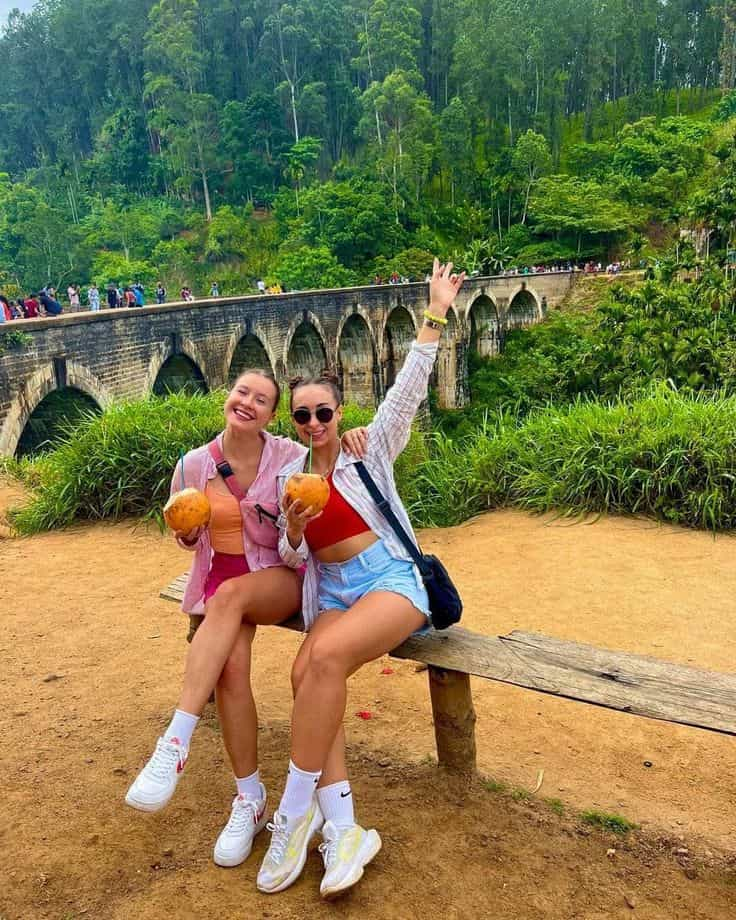
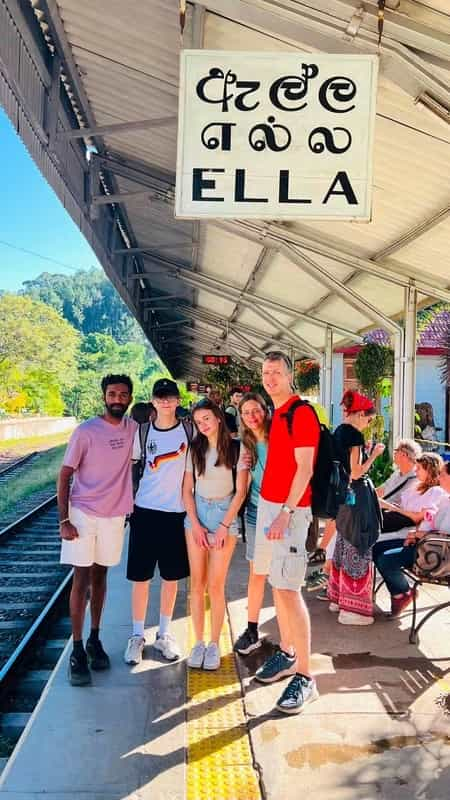
The colonial viaduct nestled outside Ella village creates one of Asia’s most iconic rail compositions. Surrounding tea terraces provide elevated vantage points that look down onto the viaduct as vintage diesel engines cross the arched stone spans. Arrive for the early morning crossings when damp mountain air hangs among surrounding eucalyptus forests, casting soft volumetric shafts of light across the rails.
3. Central Highlands Tea Estates - Best for Lush Landscape Panoramas
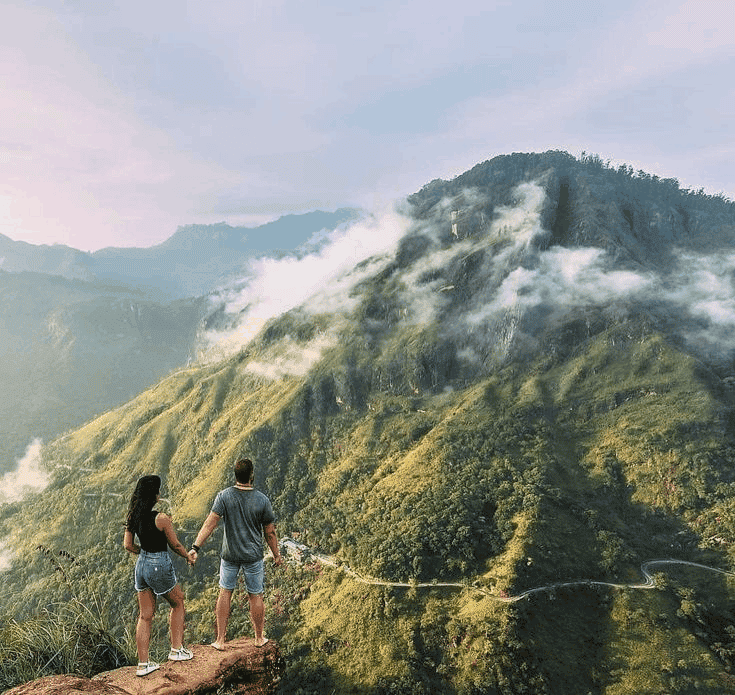
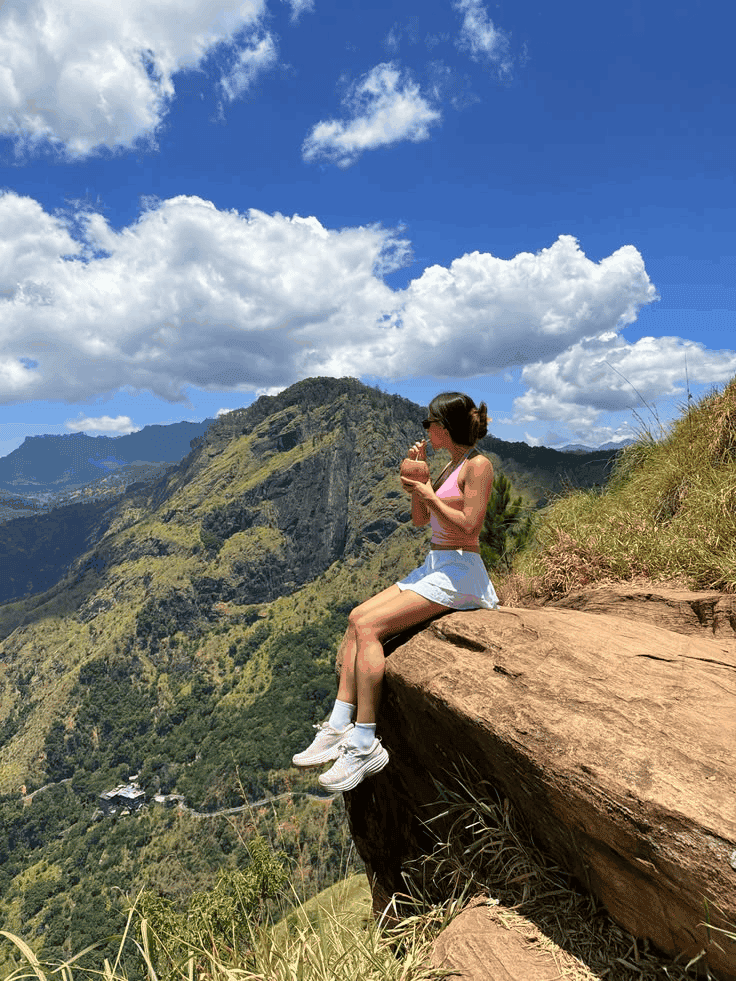
Between Nuwara Eliya and Haputale, endless emerald tea fields trace rolling ridges beneath steep granite drops. High-contrast midday sunshine can wash out fine green textures, making the hour after dawn essential for capturing morning tea harvesters navigating misty slopes. We recommend using a circular polarizing filter to manage reflective shine off wet tea leaves.
4. Southern Coastlines - Best for Golden Hour Seascape Photography
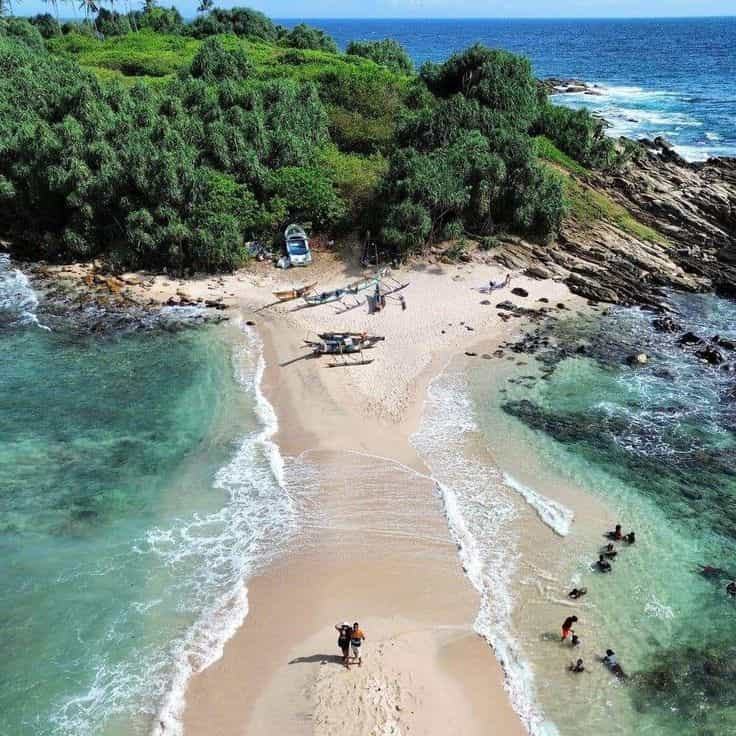
The south coast between Galle and Tangalle presents classic Indian Ocean scenes defined by leaning palms and surging turquoise waves. While traditional stilt fishing has evolved into staged demonstrations in busy hubs, remote rocky points around Talpe and Dikwella provide dramatic natural seascapes for long-exposure wave motion studies using neutral density filters.
Comparison of Top Sri Lanka Photography HubsSelecting photography bases depends on your primary visual focus and preferred camera gear configuration:
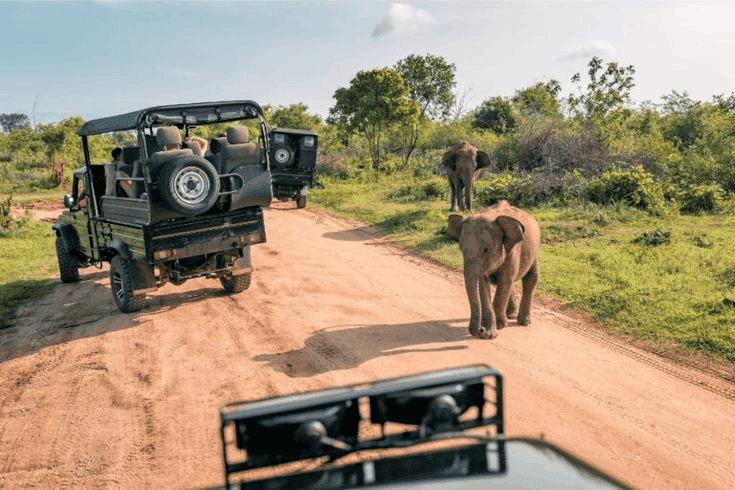
PidurangalaSigiriya Fortress panoramaDawn to Sunrise16-35mm WideModerate at dawnNine Arches BridgeHistoric rail transit & tea hillsMorning train passes24-70mm Mid-zoomHeavy by middayYala National ParkLeopards & Asian elephantsGolden Hour (6-8 AM)100-400mm TelephotoHigh vehicle countKandy Temple of the ToothBuddhist ritual & architectureEvening puja ceremony35mm or 50mm PrimeDense pilgrim crowdsMirissa & WeligamaTropical coastlines & surf breaksSunset70-200mm ZoomModerate to highWildlife Photography in Sri Lanka: Equipment and TacticsWildlife encounters require tactical equipment preparation. Sri Lanka shelters dense populations of leopards, Asian elephants, sloth bears, and endemic birds, but jungle brush often demands fast shutter speeds and excellent low-light optical performance.
- Bring sufficient focal reach: A telephoto zoom reaching at least 400mm to 600mm is vital for ethical wildlife photography that keeps a safe distance from big mammals.
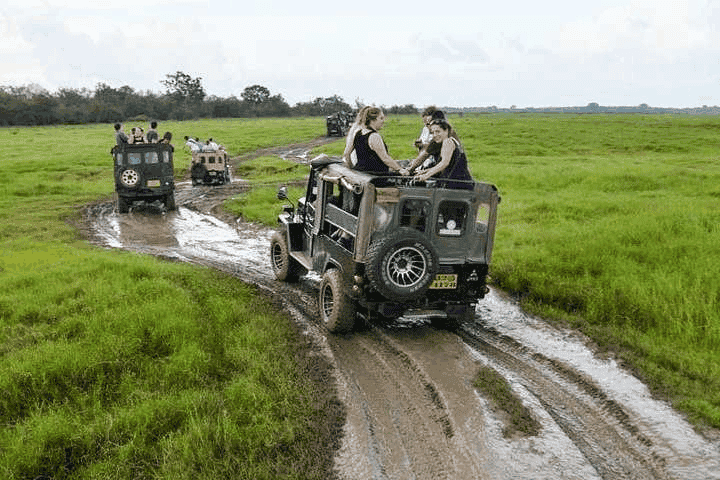
- Shield your equipment against red dust: Safari zones like Yala and Wilpattu generate fine airborne dirt that coats camera sensors during open-jeep transit. Always keep a dust cover over your main body.
- Prioritize morning safaris: Animals exhibit heightened activity during early park openings before rising tropical temperatures push wildlife into thick shady brush.
- Maintain high shutter speeds: Fast movements through shaded tree canopies require shutter speeds of at least 1/1000s, necessitating bodies capable of clean high-ISO performance.
Cultural Sensitivities and Photography EtiquetteLocal tip: Always pack a durable silicone lens blower and multiple microfiber cloths inside your daypack. Island humidity shifts rapidly between chilly highland peaks and coastal plains, causing lens elements to fog up unexpectedly.
Sri Lanka warmly welcomes international photographers, yet strict spiritual codes apply across Buddhist, Hindu, Christian, and Islamic sacred sites. Understanding visual etiquette prevents accidental offense or legal complications during your travels.
Photographing Sacred Shrines and Monks
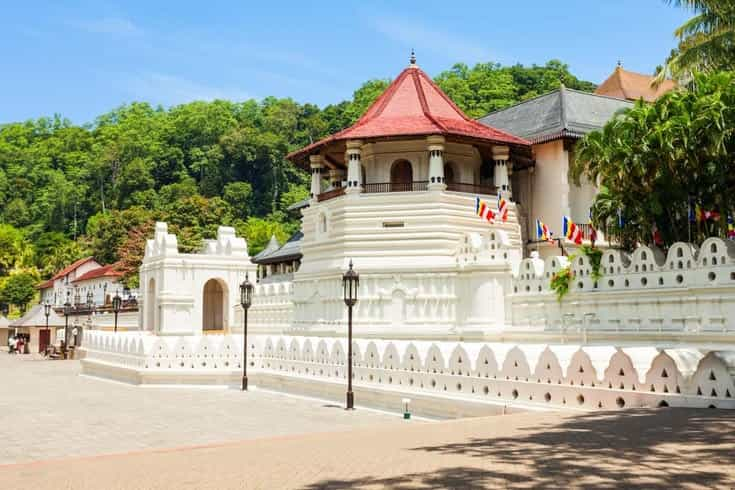
Never pose for portraits or selfies with your back turned toward an image or statue of Lord Buddha; doing so is considered deeply disrespectful and can lead to intervention by local authorities. When documenting devotees engaged in prayer or ritual offerings, maintain discreet distance without flash illumination. If you wish to capture portraits of resident Buddhist monks, always seek courteous verbal permission beforehand.
Drone Regulations and Aerial Filming
As of October 2026, flying camera drones in Sri Lanka requires formal clearance from the Civil Aviation Authority of Sri Lanka (CAASL) alongside relevant defense and wildlife offices. Drones are strictly banned over national wildlife parks, sacred historical precincts such as Sigiriya and Anuradhapura, and government buildings. Always check with official aviation portals and retain your verified documentation while traveling.
Seasonal Planning for Landscape PhotographersSri Lanka experiences dual monsoon systems that dictate cloud cover and ambient visibility across different sides of the island. Knowing where to point your lens during specific calendar months ensures vibrant skies and calm ocean water.
- December through April: Provides outstanding dry light across western beaches, the southern coastline, and central highland tea terrain.
- May through September: Brings bright skies, calm waters, and dramatic marine clarity to eastern shores like Trincomalee and Pasikudah.
- Inter-monsoonal windows (October and November): Produce dramatic cloud formations and vivid sunset color palettes across central valleys, though afternoon tropical downpours are frequent.
Zephyra Travels, part of Zephyra Group, delivers personalized itineraries supported by private air-conditioned vehicles and experienced local driver-guides. We understand early departure timings, scenic off-the-beaten-path overlooks, and the logistical rhythm required to secure unforgettable imagery across the island.
Explore our customizable Sri Lanka tour packages to start crafting your dedicated visual adventure with our local itinerary specialists today.