Sri Lanka by Season: Month-by-Month Island Travel Guide
Understanding Sri Lanka by season comes down to one core geographical reality: the tropical island experiences two distinct monsoon climate patterns that affect opposite sides of the country at different times of the year. This dual-monsoon dynamic means there is always a region enjoying dry sunny weather, serene ocean conditions, and world-class wildlife viewing regardless of which month you choose to visit.
As of November 2026, international travel demand continues to flourish with streamlined entry procedures and strong airline connectivity, making Sri Lanka a premier year-round destination. Whether your priority is whale watching along south coast beaches in January, witnessing the famous elephant gathering in Minneriya during August, or exploring ancient hill country tea estates in February, aligning your itinerary with the regional weather patterns guarantees a seamless tropical vacation.
At a Glance- South & West Coasts (December to April): Best time for sunbathing in Galle, Bentota, and Mirissa, paired with blue whale watching and Yala safaris.
- East Coast & Cultural Triangle (May to September): Ideal weather for Pasikudah and Arugam Bay beaches, Sigiriya climbing, and Minneriya elephant gatherings.
- Inter-Monsoon Months (April & October): Great shoulder periods featuring island-wide warmth, lower hotel rates, and lush green landscapes.
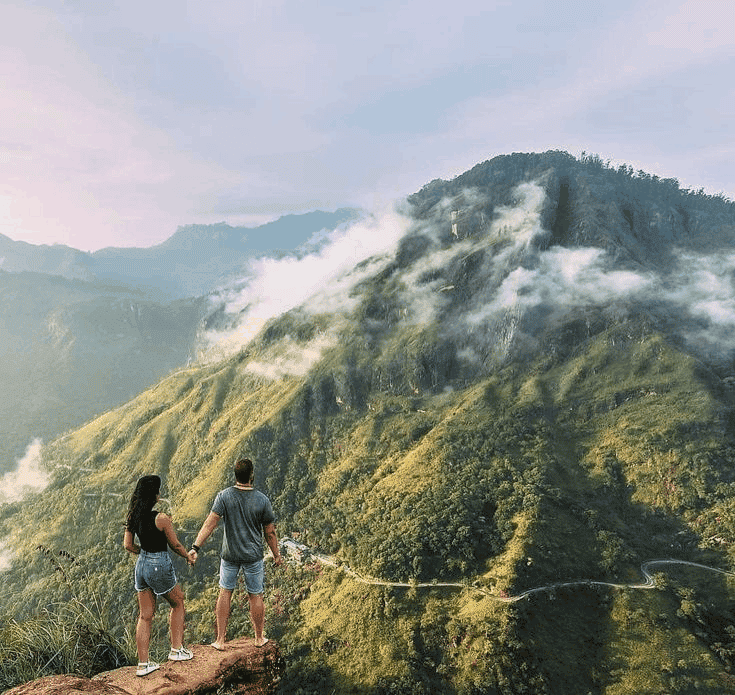
- Central Highlands (January to March): Cool, crisp temperatures in Nuwara Eliya and Ella with clear mountain vistas and dry trekking conditions.
- Wildlife Viewing: Yala and Wilpattu national parks offer exceptional year-round leopard and bear sightings when timed with local water hole availability.
Navigating Sri Lanka by season requires knowing how the two major weather cycles interact with the central mountain massif. The central hill region acts as a high-altitude barrier, splitting rainfall across the island during different months of the year.
1. The Yala (South-West) Monsoon
The South-West monsoon brings rainy conditions to the south coast, west coast, and central hill country from May through September. While the southwest experiences afternoon showers and heavy sea swells, the eastern and northern provinces remain delightfully warm, sunny, and dry during these exact months.
2. The Maha (North-East) Monsoon
The North-East monsoon sweeps across the northern and eastern regions from October to January, bringing refreshing rains to cities like Trincomalee, Batticaloa, and Jaffna. Meanwhile, the southern coast and western golden beaches enjoy bright skies, calm turquoise waters, and perfect offshore conditions.
Local tip: Never cancel a trip due to rain forecasts on weather apps. Tropical rain in Sri Lanka often arrives in short afternoon bursts, leaving the mornings clear, sun-filled, and perfect for sightseeing.Peak Winter Season: December to March
Winter brings peak travel conditions to Sri Lanka's south and west coasts, alongside the cultural heartland and central highlands. Thousands of international visitors arrive to trade cold northern winter climates for warm tropical sunlight.
December & January: Sun-Drenched Coasts and Marine Adventures
December and January offer crisp mornings in Nuwara Eliya and warm beach weather along the southern arc from Bentota to Tangalle. Mirissa becomes South Asia's premier location for ocean wildlife safaris, where marine naturalists regularly spot migrating blue whales and ocean dolphins close to the continental shelf.
- Beach Relaxing: Hikkaduwa, Unawatuna, and Mirissa offer ideal sea swimming and reef snorkeling.
- Highland Trekking: Climb Adam's Peak or walk along the scenic Pekoe Trail stages in Ella.
- Ancient Culture: Tour the Sigiriya Rock Fortress and Dambulla Cave Temple under mild morning temperatures.
February & March: Wildlife Safaris and Scenic Train Journeys
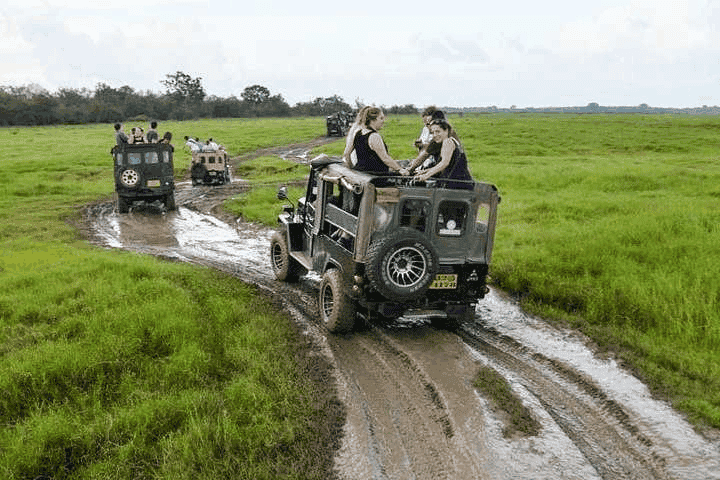
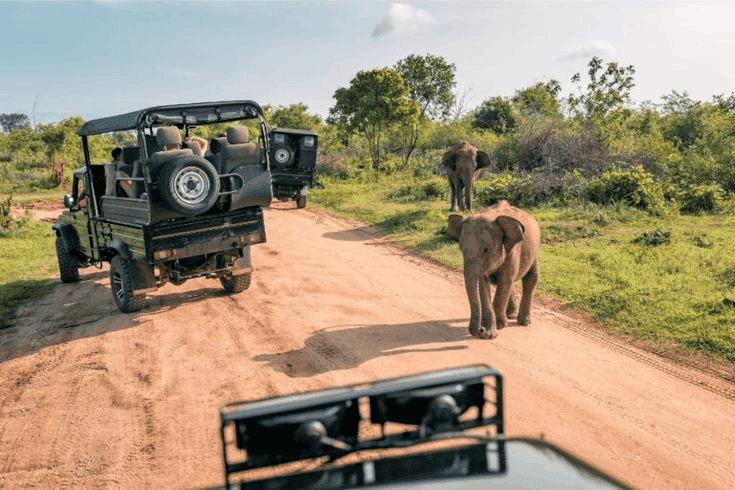
February and March are widely considered two of the driest, most predictable months to explore the whole island. Water levels in Yala National Park and Wilpattu National Park begin to decline, drawing elusive leopards, sloth bears, and herds of wild elephants out toward permanent waterholes, which creates unrivaled safari photography conditions.
Spring Transition & Culture: April to MayApril marks the golden transition month across the island, characterised by warm conditions and calm ocean waters across both western and eastern shores. It is also the most culturally significant period on the national calendar.
April: Sinhala & Tamil New Year Celebrations
In mid-April, Sri Lanka celebrates Avurudu (the Sinhala and Tamil New Year). Travelers visiting during this period gain rare insights into deep-rooted island traditions, festive traditional games, and unique sweet treats shared across village communities. Ocean conditions along both coasts are generally calm, making it a wonderful window for complete coastal loops.
May: Vesak Festival and Cultural Triangle Wonders
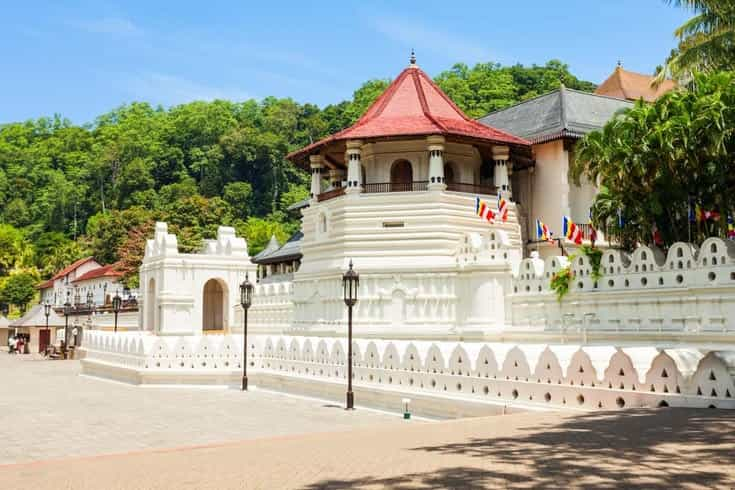
May sees the onset of the southwest monsoon rain along the southern beaches, but the eastern coast begins to wake up. May is also the month of Vesak, the Buddhist festival of light. Cities like Colombo and Kandy are illuminated with massive hand-crafted paper lanterns, intricate pandals (toranas), and free community food stalls (dansalas) offering warm hospitality to travelers.
Summer Season: June to SeptemberWhile European and North American travelers experience summer, Sri Lanka's east coast shines bright with tranquil waters, sunny days, and world-famous surfing breaks. Travelers focusing on Sri Lanka by season should direct their journey eastward during these months.
June & July: East Coast Paradises and Surfing Sweeps
Trincomalee, Nilaveli, Pasikudah, and Arugam Bay enjoy their high summer season from June through August. Pasikudah boasts shallow, bay-protected waters ideal for luxury family beach vacations, while Arugam Bay attracts international surfers eager to ride world-class point breaks.
August & September: The Great Elephant Gathering & Kandy Perahera
The dry season in the North Central Province creates one of Asia's grandest natural spectacles: The Elephant Gathering at Minneriya National Park. As dry weather shrinks reservoirs, hundreds of Asian elephants congregate on the exposed green grass banks of Minneriya and Kaudulla tank beds to socialize and drink. In August, Kandy hosts the world-renowned Esala Perahera, featuring elegant traditional dancers, drummers, and ceremonial elephant processions.
Autumn Shoulder Season: October to NovemberOctober and November represent the second inter-monsoon transition season. While rainfall can be variable across the country as monsoon winds shift, these months offer low traveler crowds, lush green scenery, and exceptional value for travelers seeking private island touring.
Why Choose October & November Travel?
Travelers visiting in late autumn experience vibrant emerald tea plantations, surging waterfalls in Nuwara Eliya and Hatton, and tranquil cultural sights free of winter peak crowds. Flexible private driving routes allow custom adjustments to follow sunny microclimates each day.
Sri Lanka Regional Weather and Seasonal Destination GuideTo help you choose your ideal itinerary when evaluating Sri Lanka by season, review our regional summary comparison below:
South Coast (Galle, Mirissa, Tangalle)December to AprilSunny, dry, warm ocean seasWhale watching, beach stays, fort walking toursEast Coast (Trincomalee, Arugam Bay)May to SeptemberDry, bright skies, calm east baysNilaveli snorkeling, surfing, pristine beach relaxingCultural Triangle (Sigiriya, Polonnaruwa)January to SeptemberWarm, low rainfall, dry walking conditionsClimbing Sigiriya rock, village tours, cycling ruinsCentral Highlands (Nuwara Eliya, Ella)January to March, July to AugustCool, misty mornings, mild sunny afternoonsTea factory visits, scenic train rides, mountain hikesNorth West Safaris (Wilpattu National Park)February to OctoberWarm savanna climate, clear tracksLeopard tracking, lake birdwatching, quiet safarisPlan It with Zephyra TravelsPlanning your trip around Sri Lanka by season is easy when you partner with local travel experts who understand microclimates and regional timing. At Zephyra Travels, our team crafts fully custom, private driver-guided itineraries that place you in the right region at the perfect time. From airport pickup to seamless private vehicle transfers across high-altitude pass routes or coastal highways, our dedicated chauffeurs ensure relaxed, safe, and flexible holiday experiences tailored precisely to your family or private group.
Ready to map out your dream month-by-month journey across Sri Lanka? Explore our verified collection of private Sri Lanka tour packages to discover handcrafted itineraries covering every season of the year.