Route & Seasonal Readiness for Sri Lanka Trekking and Hill Country Travel
Route & seasonal readiness in Sri Lanka's hill country requires aligning your itinerary with regional monsoon movements and verified trail conditions. Proper advance preparation ensures safe navigation around localized weather disruptions, active trail repairs, and steep daily terrain across high-altitude paths.
As of November 2026, international travelers exploring the central highlands must account for distinct weather shifts between western and eastern slopes alongside ongoing mountain maintenance. Evaluating stage difficulty, local rainfall trends, and operator rerouting logistics is essential for a rewarding and uninterrupted trekking experience.
At a Glance- Monsoon Divide: The southwest monsoon impacts western slopes from May to September, whereas the northeast monsoon affects eastern slopes like Ella and Haputale from October to January.
- Trail Conditions: Weather events and localized landslides occasionally impact mountain routes, including sections of Stage 2 and Stage 4.
- Daily Distances: Trekking stages range from 10 km to 18 km with substantial climbs and descents.
- Support Logistics: Private back-up transfers ensure seamless bypasses around closed or hazardous trail sections.
- Fitness Alignment: Balanced itineraries avoid stacking back-to-back strenuous stages without adequate recovery time.
Sri Lanka's central highlands are divided by a massive physical ridge system that creates two distinct weather patterns throughout the year. Understanding this division is the single most critical factor in achieving route & seasonal readiness before embarking on a highland journey.
The Southwest Monsoon (May to September)
The southwest monsoon brings monsoon showers primarily to the western slopes of the central massif between May and September. Key regions along this western corridor include Hatton, Dickoya, Maskeliya, and the approaches to Adam's Peak (Sri Pada). Trekking during these months across western trails often involves wet ground, slippery tea plant paths, and heavy afternoon downpours. Travelers planning treks during this period typically find drier conditions and clearer mountain vistas by shifting their focus to the eastern side of the hill country.
The Northeast Monsoon (October to January)
The northeast monsoon shifts precipitation across the eastern and northern slopes of the central ridge from October through January. This weather pattern affects popular mountain hubs including Ella, Haputale, Bandarawela, Nuwara Eliya, and Ohiya. During these months, afternoon rains and mist are common across eastern valleys. As of November 2026, seasonal planning requires selecting stages that sit in the rain shadow or scheduling morning starts to complete daily hikes before mid-afternoon cloud cover sets in.
Managing Stage Conditions, Weather Events, and ClosuresLocal tip: Always plan your daily mountain hikes to start by 7:00 AM. Morning hours across both slopes consistently offer the clearest visibility, cooler temperatures, and the lowest chance of rain showers.
Highland terrain is dynamic, and heavy rainfall can alter trail conditions rapidly. Route & seasonal readiness involves knowing which trail segments require active monitoring and how your tour provider manages unexpected route adjustments on the ground.
Navigating Landslide Prone Sections
Recent weather events and localized landslides have affected certain high-altitude paths, particularly parts of Stage 2 and Stage 4 in the tea country trail network. Earth slips or fallen trees can render narrow ridge paths temporarily impassable for trekkers. A thoroughly prepared route strategy identifies these sensitive zones in advance and establishes practical alternative paths.
Operator Reroutes and Support Vehicle Transfers
A reliable local operator monitors daily weather updates and ground reports from regional trail guides. When localized closures occur on stages like Stage 2 or Stage 4, professional ground teams arrange private vehicle transfers to bypass damaged trail segments seamlessly. Instead of losing a full day of trekking, travelers are safely transported to the next viable entry point along the route.
- Daily Monitoring: Drivers and local guides check local council advisories and weather alerts each morning.
- Vehicle Access: Back-up private vehicles remain on standby at designated road-crossing points along every stage.
- Flexible Segments: Damaged sections are swapped for scenic country estate roads or forest trails that remain stable during rain.
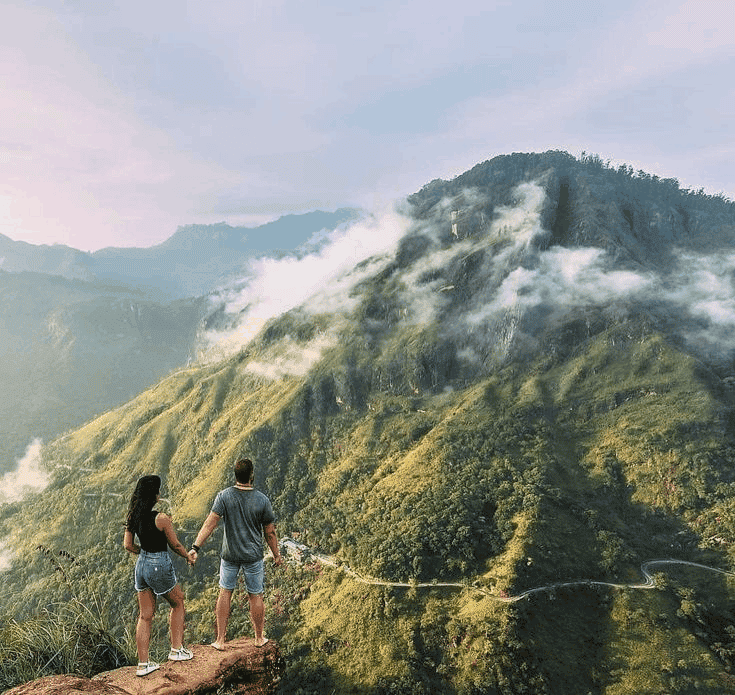
Trekking across Sri Lanka's hill country involves varied terrain ranging from narrow estate footpaths and granite staircases to exposed ridge lines. Proper route & seasonal readiness requires balancing daily mileage against vertical elevation gain and your group's overall physical condition.
Distance Ranges and Elevation Profiles
Daily stages typically stretch between 10 km and 18 km, taking anywhere from 4 to 7 hours to complete depending on terrain and pace. While a 12 km walk on flat ground might feel moderate, covering the same distance over steep tea estate terraces and rocky mountain passes demands significantly more energy. Accumulating steep climbs and sharp descents over consecutive days can quickly fatigue hips and knees.
Avoiding Back-to-Back Strenuous Stages
A common mistake in itinerary design is stacking multiple long or steep stages without building in recovery gaps. Well-paced itineraries balance high-intensity trail days with lighter walking options or rest days in mountain towns like Ella or Nuwara Eliya. Adjusting daily goals to match the group's fitness ensures everyone stays safe, energized, and clear of overuse injuries.
Western SlopesHatton, Dickoya, MaskeliyaDecember to AprilMay to SeptemberTea estate walks, ridge views, heritage staysEastern SlopesElla, Haputale, BandarawelaMarch to SeptemberOctober to JanuaryValley treks, waterfall trails, viewpoint hikesHigh PlateauNuwara Eliya, Horton PlainsFebruary to AprilJune to NovemberEarly morning plain walks, cloud forest trails5 Essential Steps for Route & Seasonal ReadinessTo ensure a seamless trekking holiday in Sri Lanka's mountains, follow these structured preparation steps before arriving at the trailhead:
- Verify Your Travel Dates Against Regional Monsoons: Check whether your trip falls during the southwest or northeast monsoon, and choose mountain destinations situated on the drier side of the highland divide.
- Inquire About Recent Trail Updates: Ask your tour provider about current conditions on specific stages, specifically inquiring how they manage potential closures on active routes like Stage 2 and Stage 4.
- Evaluate Daily Distances and Elevation: Review the stage profiles to ensure daily distances stay within your group's comfortable limits, avoiding itineraries that stack back-to-back 18 km steep climbs.
- Confirm Support Vehicle Coordination: Confirm that your tour package includes dedicated private vehicle transfers to carry heavy luggage between stays and provide trailside support if weather deteriorates.
- Pack Proper Seasonal Gear: Pack moisture-wicking layers, sturdy broken-in hiking boots with good traction, lightweight waterproof jackets, and effective leech socks for forest trails.
At Zephyra Travels, our local travel experts and dedicated private driver-guides manage route & seasonal readiness for every highland itinerary. We track regional weather patterns, inspect trail conditions in real time, and coordinate flexible private support vehicles to ensure your journey through Sri Lanka's hill country is smooth, safe, and tailored to your group's exact fitness level. Explore our handcrafted private Sri Lanka tour packages to start designing your custom mountain trekking escape today.