The Complete Guide to Planning Your Pekoe Trail Walking Holiday
Planning a Pekoe Trail hiking holiday in Sri Lanka requires balancing daily trail mileage, choosing the right seasonal window, arranging seamless luggage transfers between tea valley lodges, and securing experienced local trekking guides. Spanning 300 kilometers across 22 distinct stages through the central highlands, this world-class walking route allows travelers to traverse working Ceylon tea plantations, cloud forests, high-elevation ridges, and historic railway settlements at an unhurried, immersive pace.
Whether you intend to walk a concentrated 5-day highlights route through Ella and Haputale or undertake an extended multi-week expedition from Kandy to Nuwara Eliya, proper advance planning makes the difference between an exhausting trek and an inspiring walking vacation. As of November 2026, Sri Lanka welcomes international walkers with modern trail waymarking, expanding boutique estate bungalows, and streamlined private transport logistics that make walking from estate to estate both comfortable and deeply authentic.
At a Glance: Planning the Pekoe Trail- Total Trail Scope: 22 stages covering roughly 300 km from Hanthana (Kandy) to Pedro Estate (Nuwara Eliya).
- Trip Length Options: 3 to 5 days for short highlights, 7 to 10 days for classic intermediate traverses, or 14 to 22 days for comprehensive thru-hikes.
- Best Weather Windows: December to April for the clearest skies across most stages, and July to September for the western slopes.
- Fitness Requirement: Moderate to challenging, with daily ascents ranging from gentle estate tracks to rocky mountain passes.
- Logistics Strategy: Base yourself in characterful tea planters' bungalows while a private driver transfers your heavy bags to each night's stop.
- Trail Access: Pre-registration and official passes are coordinated through licensed local inbound operators or official trail touchpoints.
The Pekoe Trail is divided into 22 contiguous stages, each averaging between 10 and 16 kilometers in length. Rather than following strenuous backcountry scrambles, the trail largely utilizes historic footpaths carved out by British planters and Tamil estate workers in the 19th century to connect tea factories, highland villages, and mountain passes.
Understanding the geographic layout of the trail helps you decide which sections fit your walking pace and holiday timeline:
Stages 1 to 5: Cultural Kandy to Historic Loolkandura
Starting near the Hanthana mountain range outside Kandy, these initial stages immerse walkers in verdant pine forests, spice smallholdings, and the historic Loolkandura Estate, where James Taylor planted the island's first commercial tea bushes in 1867. The terrain here transitions gradually from urban periphery into rural agricultural valleys, offering gentle acclimatization before reaching the higher ridges.
Stages 6 to 10: The Golden Valley of Bogawantalawa
Winding through Norwood, Maskeliya, and the famed Bogawantalawa Valley (often dubbed the Golden Valley of Tea), this sector features expansive manicured tea gardens backdropped by the sacred silhouette of Adam's Peak (Sri Pada). Walking conditions here are characterized by smooth estate dirt roads, tranquil reservoir shores, and dramatic elevation gains that showcase some of the island's finest high-grown estates.
Stages 11 to 15: High Ridges, Cloud Forests and Haputale
Entering the southern escarpment of the hill country, stages 11 through 15 provide some of the most sensational panoramic views on the entire route. Trekkers traverse dense montane cloud forests, negotiate the high mountain ridge lines near Horton Plains and Ohiya, and descend into the cool, windswept gaps of Haputale and Idalgashinna. The cliffside views down to the southern plains can stretch all the way to the Indian Ocean on clear mornings.
Stages 16 to 19: Demodara, Nine Arches and Ella
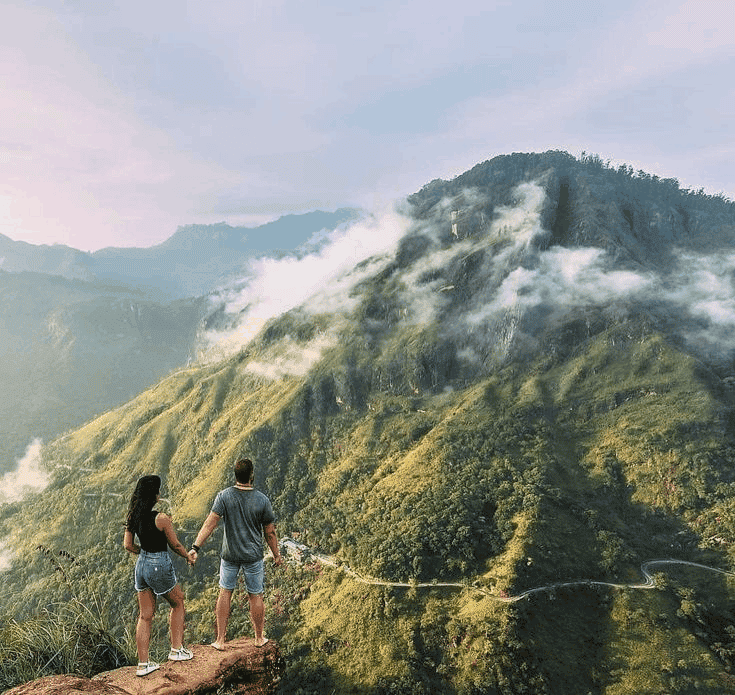
Perhaps the most famous and accessible section for international travelers, these stages trace the iconic railway viaducts, pine ridges, and cascading waterfalls surrounding Ella and Demodara. Walking across the Demodara rail loop and traversing trails overlooking Little Adam's Peak allows hikers to experience the region's dramatic topography while enjoying upscale colonial dining and boutique lodges each evening.
Stages 20 to 22: The High Altitude Ascent to Nuwara Eliya
The final three stages climb through Kandapola toward Nuwara Eliya, reaching altitudes above 1,900 meters. The air becomes crisp, vegetable terraces replace wide tea fields, and temperate eucalyptus and cypress groves dominate the high ridgelines, culminating at Pedro Tea Estate beneath the towering slopes of Mount Pidurutalagala.
Choosing the Best Season and Weather for Your HikeSri Lanka's central mountain range acts as a climatic divide, meaning weather conditions on the eastern and western slopes of the Pekoe Trail can differ dramatically during monsoon transitions. As a general rule, highland weather is dynamic, and walking during the optimal season ensures dry underfoot conditions and crystalline mountain views.
The Peak Dry Window: December to April
The months from December through April represent the prime season for hiking almost the entire trail, particularly around Haputale, Ella, and Nuwara Eliya. Mornings are typically bright, crisp, and sunny, with temperatures between 16°C and 24°C, providing perfect walking weather before occasional afternoon mist rolls across the ridges. This coincides with peak international travel season, so boutique colonial estates and high-end plantation bungalows should always be reserved well in advance.
The Southwest Summer Window: July to September
While the southwestern lowlands experience monsoonal rains during mid-year, the eastern slopes of the hill country (around Ella, Demodara, and parts of Haputale) often enjoy dry, breezy weather thanks to the mountain rain-shadow effect. This is an exceptional window for travelers seeking quieter trails, vibrant green scenery, and easier accommodation availability.
Local tip: Always start your daily walk by 7:30 AM. In the Sri Lankan hill country, cloud cover and convectional rain showers commonly gather by mid-afternoon, so finishing your stage before 2:00 PM guarantees the best visibility, drier boots, and plenty of daylight to relax on your veranda.Recommended Itinerary Frameworks: From 3 Days to 2 Weeks
Unless you are taking a full month off to walk all 22 stages, most travelers design a curated Pekoe Trail itinerary that combines the top walking sections with scenic train journeys, wildlife safaris, and heritage touring. Here are three proven itinerary structures tested by our local route planners:
The 5-Day Highlights Walking Escape
Ideal for active travelers short on time who want to experience the dramatic scenery around Ella, Haputale, and the tea estates without changing hotels every night:
- Day 1: Arrive from Colombo or the Cultural Triangle; check into a heritage bungalow near Haputale; relax and acclimatize.
- Day 2: Stage 12 (Ohiya to Idalgashinna): Walk through remote cloud forests and along dramatic cliff paths, ending at the isolated Idalgashinna railway station.
- Day 3: Stage 14 (Idalgashinna to Haputale): Traverse the southern escarpment with panoramic views across the Uva basin before visiting Lipton's Seat.
- Day 4: Stage 16 (Ella to Demodara): Walk over the famed Nine Arches Bridge, through quiet tea villages, and around the historic Demodara railway loop.
- Day 5: Morning tea tasting workshop at a functional high-grown factory, followed by private transfer onward to the south coast beaches or Colombo.
The 8-Day Classic Ceylon Tea Country Traverse
A deeper journey combining heritage walks, high-elevation ridges, and iconic mountain train segments:
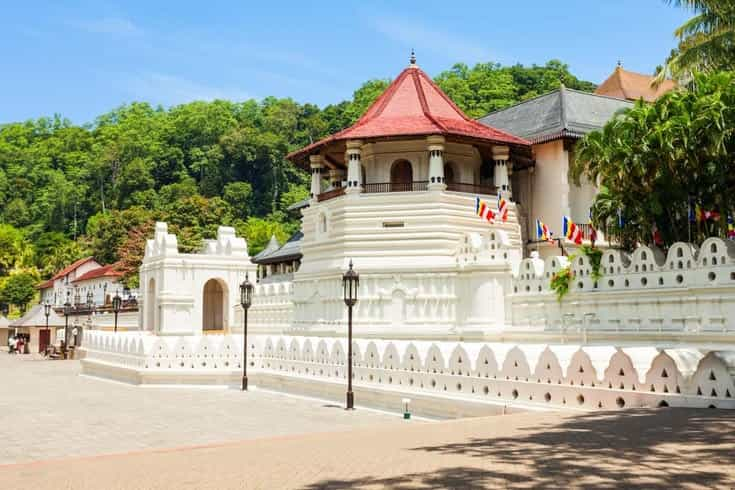
- Day 1: Transfer to Kandy; walk an abbreviated Stage 1 through the Hanthana range; explore the sacred Temple of the Tooth.
- Day 2: Stage 2 (Galaha to Loolkandura): Walk into the historic heart of Ceylon tea at James Taylor's pioneering estate and seat.
- Day 3: Morning scenic mountain train ride from Peradeniya to Hatton; transfer to your Bogawantalawa or Norwood plantation bungalow.
- Day 4: Stage 7 or 8 (Norwood to Bogawantalawa): Walk through serene valleys and manicured estates beneath Adam's Peak.
- Day 5: Stage 12 (Ohiya to Idalgashinna): Transfer to Ohiya high country; hike the misty forest tracks along the ridge.
- Day 6: Stage 15 (Haputale to Ella): Walk the scenic tracks descending into the Ella Valley with vistas of Ella Rock.
- Day 7: Stage 16 (Ella to Demodara): Complete the viaduct trail; enjoy afternoon wellness treatments or tea factory tours.
- Day 8: Transfer to Yala National Park for wildlife safari or head to the southern beaches for coastal relaxation.
The 14-Day In-Depth Expedition Thru-Hike
For dedicated long-distance trekkers aiming to complete 12 to 14 full stages across the central massifs. This route requires meticulous baggage leapfrogging, pre-arranged trailside picnic hampers, and rest days scheduled in colonial hill towns like Nuwara Eliya and Ella to avoid physical burnout.
Pekoe Trail Planning Comparison TableUse the following comparison table to evaluate the major walking sectors of the Pekoe Trail based on terrain, scenic highlights, and walking difficulty:
Kandy & HanthanaStages 1–312–14 km/dayModerate; mixed spice gardens, pine trails, dirt tracksCultural acclimatization & early tea historyGolden ValleyStages 6–814–16 km/dayGentle to moderate; wide gravel estate roads, reservoir pathsManicured estates, reservoir scenery & luxury staysHigh Southern EscarpmentStages 11–1310–13 km/dayChallenging; uneven stone paths, cloud forests, steep ridgesDramatic drop-offs, mist forests & wilderness vistasHaputale to EllaStages 14–1611–15 km/dayModerate; estate pathways, rail alignments, village trailsIconic railway bridges, panoramic lookouts & social hubsHigh Kandapola & PedroStages 20–2212–14 km/dayModerate to challenging; high-altitude climbs above 1,800mCrisp mountain air, vegetable terraces & cloud coverLogistics: Luggage Transfers, Private Drivers, and GuidesOne of the biggest misconceptions about planning a Pekoe Trail holiday is that hikers must carry heavy multi-day backpacks. In reality, the most enjoyable way to experience the trail is by utilizing a seamless vehicle-supported walking model. Having a private driver-guide meet you at trailheads and transfer your main luggage ensures you only carry a lightweight daypack with water, rain gear, camera equipment, and first-aid essentials.
Why Book a Private Support Driver?
The Pekoe Trail winds through rural plantation corridors where public transit can be sporadic and tuk-tuks cannot easily carry large international suitcases. A dedicated private driver provides vital operational flexibility:
- Transfers your heavy luggage directly from hotel to hotel while you hike.
- Drops you at the exact trailhead in the morning and waits at the stage exit point in the afternoon.
- Provides safety extraction if foul weather sets in or an ankle sprain occurs mid-route.
- Carries insulated coolers with chilled water, seasonal fruits, and fresh local snacks between checkpoints.
Do You Need a Licensed Trail Guide?
While the Pekoe Trail has undergone extensive GPS mapping and waymarking, hiring an experienced local trekking guide remains strongly recommended. The trails intersect countless labyrinthine estate paths, shortcuts taken by tea pluckers, and seasonal bypasses that can confuse independent hikers.
Furthermore, local guides act as cultural interpreters. They facilitate respectful interactions with Tamil tea plucking communities, explain plantation operational cycles, point out rare endemic bird species like the yellow-eared bulbul, and identify medicinal plants along the path.
Accommodation Styles Along the TrailAccommodation along the Pekoe Trail ranges from ultra-luxurious restored British tea planter residences to rustic family-run homestays and eco-lodges. Planning where you stay each night is crucial because accommodation density varies significantly between stages.
Restored Colonial Tea Planter Bungalows
In hubs like Hatton, Dickoya, Bogawantalawa, and Haputale, you will find authentic 19th-century colonial bungalows complete with manicured croquet lawns, open fireplaces, polished teak flooring, and private butler service. Staying in these heritage properties allows you to relive the golden era of the Ceylon tea trade while enjoying gourmet farm-to-table dining after a strenuous 15-kilometer walk.
Eco-Lodges and Mountain Cabins
Perched along cliff edges near Ella, Ohiya, and Bandarawela, eco-lodges offer sustainable comfort, sweeping glass balconies overlooking deep gorges, and direct trail access. These properties often feature organic gardens, traditional Sri Lankan clay pot dinners, and open-air yoga shalas overlooking misty valleys.
Highland Village Homestays
For independent travelers seeking authentic cultural immersion, community homestays in remote settlements like Delthota or Maskeliya offer warm highland hospitality, steaming cups of spiced ginger chai, and homemade rice and curry cooked over cinnamon-wood hearths.
Essential Packing Checklist for the Pekoe TrailHighland weather conditions require strategic layering. Temperatures can range from 10°C on chilly mornings near Horton Plains to 26°C under midday sunshine in low valleys. Preparing the right equipment ensures your comfort and safety:
- Footwear: Broken-in hiking boots or rugged trail running shoes with aggressive tread for wet clay and slick estate cobbles.
- Leech Protection: Leech socks and natural citronella or salt spray, especially after morning rains in forested sections.
- Rain Protection: Lightweight, breathable waterproof jacket and an ultralight pack cover; tropical downpours can develop rapidly.
- Sun Defense: High-SPF sunscreen, wide-brimmed sun hat, and polarized sunglasses to combat intense high-altitude UV radiation.
- Hydration & Electrolytes: Reusable hydration bladder or water bottles totaling at least 2 liters, supplemented by electrolyte powders.
- Navigation: Smartphone loaded with offline GPS trail maps (such as Wikiloc or official Pekoe Trail tracks) backed up by a portable power bank.
- Trekking Poles: Highly recommended to relieve knee strain during steep descents down estate paths and rocky mountain passes.
The Pekoe Trail is not an untouched wilderness national park; it is a living, working agricultural ecosystem that is home to hundreds of thousands of estate workers and their families. Practicing thoughtful cultural etiquette ensures that tourism brings positive benefits to highland communities:
- Ask Before Photographing: Always seek polite permission before taking close-up portraits of tea pluckers or temple worshipers. A friendly smile and respectful greeting in Tamil ("Vanakkam") or Sinhala ("Ayubowan") goes a long way.
- Never Hand Out Sweets or Cash to Children: To avoid encouraging begging behavior along the trail corridors, do not distribute candy or small notes to local school children. If you wish to support local education, arrange school supply donations through vetted local schools or your tour operator.
- Strict Pack-It-In, Pack-It-Out Ethics: Discarded plastic wrappers and water bottles degrade pristine hill country landscapes. Carry all personal trash until you reach proper hotel recycling points.
- Dress Modestly Near Villages and Kovils: While standard trekking shorts and activewear are perfectly fine along open estate tracks, carry a lightweight sarong or scarf to cover shoulders and knees when passing through traditional village temples or sacred shrines.
One of the finest aspects of a walking holiday in Sri Lanka is the country's compact geography. After completing your chosen stages in the hill country, you can easily connect to world-class cultural attractions, wildlife reserves, or pristine beaches with minimal driving times.
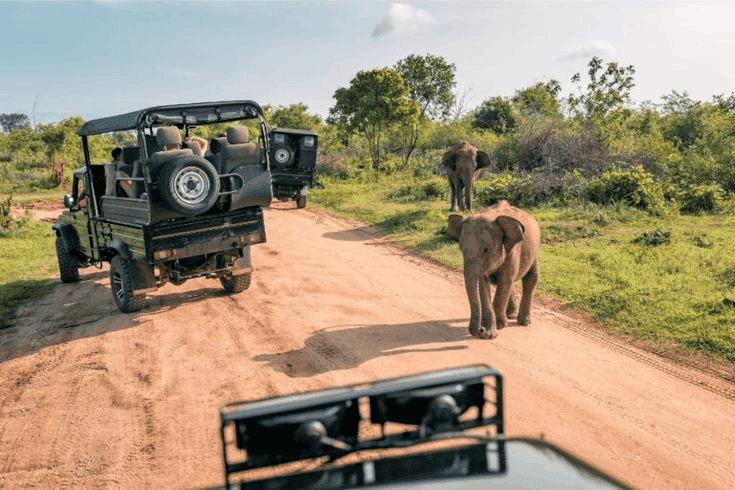
For example, finishing your trek in Ella positions you just a 2 to 3-hour private drive from Yala or Udawalawe National Parks, where you can transition from tea country hiking to morning jeep safaris in search of wild Asian elephants, leopards, and sloth bears. Alternatively, you can head south toward the Indian Ocean beaches of Mirissa, Weligama, or Tangalle, spending the final days of your holiday swimming in warm tropical waters and unwinding at an Ayurvedic coastal resort.
Plan It with Zephyra TravelsAt Zephyra Travels, we design customized Pekoe Trail hiking holidays tailored around your personal fitness level, preferred walking pace, and accommodation style. Our private itineraries combine hand-picked tea estate bungalows, dedicated English-speaking trekking guides, and private air-conditioned vehicles for flawless luggage transfers and flexible daily route adjustments. To begin curating your bespoke walking vacation in the Sri Lankan highlands, explore our handcrafted Sri Lanka holiday packages and private tours.