Complete Traveler Guide to the Madu River Boat Safari in Balapitiya
A Madu River boat safari (also known locally as a Madu Ganga boat safari) is a guided motorboat excursion through the lush mangrove wetlands and island estuarine complex of Balapitiya on Sri Lanka's southwest coast. Most tours last 1.5 to 2 hours, taking travelers through tranquil river channels, shaded mangrove root tunnels, open coastal lagoons, and small inhabited islands rich in biodiversity and traditional livelihoods.
At a Glance- Location: Balapitiya, situated on the southern coastal highway between Bentota and Galle.
- Tour Duration: Typically 90 minutes to 2 hours in a covered motorboat with safety equipment.
- Key Stops: Mangrove canopy tunnels, Cinnamon Island, Kothduwa Buddhist Temple island, floating fish therapy stations, and traditional fishing Kraals.
- Wildlife Spotting: Water monitor lizards, purple herons, kingfishers, cormorants, toque macaques, and occasionally estuarine crocodiles.
- Best Time of Day: Early morning (7:30 AM to 9:30 AM) or late afternoon (4:00 PM to 6:00 PM) for comfortable temperatures and active fauna.
- Ideal For: Families, honeymooners, nature enthusiasts, and day-trippers traveling between Colombo, Bentota, and Galle Fort.
The Madu Ganga estuarine ecosystem spans over 900 hectares of water bodies, marshlands, and islands, forming one of Sri Lanka's most ecological coastal wetlands. Recognized internationally under the Ramsar Convention for wetland conservation, this coastal lagoon is fed by several freshwater streams before opening out towards the Indian Ocean near Balapitiya. As of November 2026, local conservation efforts continue to protect the delicate salinity balance that allows both marine and freshwater species to thrive side-by-side.
Navigating these waters offers travelers an intimate window into an ancient coastal ecosystem. Dense forest stands of red mangroves (Rhizophora mucronata) and black mangroves lock soil along riverbanks with intricate prop roots. These natural root systems serve as vital nurseries for marine life, filtering river sediments and protecting coastal villages from monsoon storm surges. Cruising past these tangled root networks in a low-draft boat lets you experience quiet natural waterways located just minutes from Sri Lanka's busy southern beach highway.
2. Essential Stops and Highlights on a Madu River Boat TourStandard private boat safaris follow a well-crafted loop around the lagoon's main channels and islands. Each stop highlights a unique element of local history, nature, or traditional island industry.
1. Cruising Through Dense Mangrove Tunnels
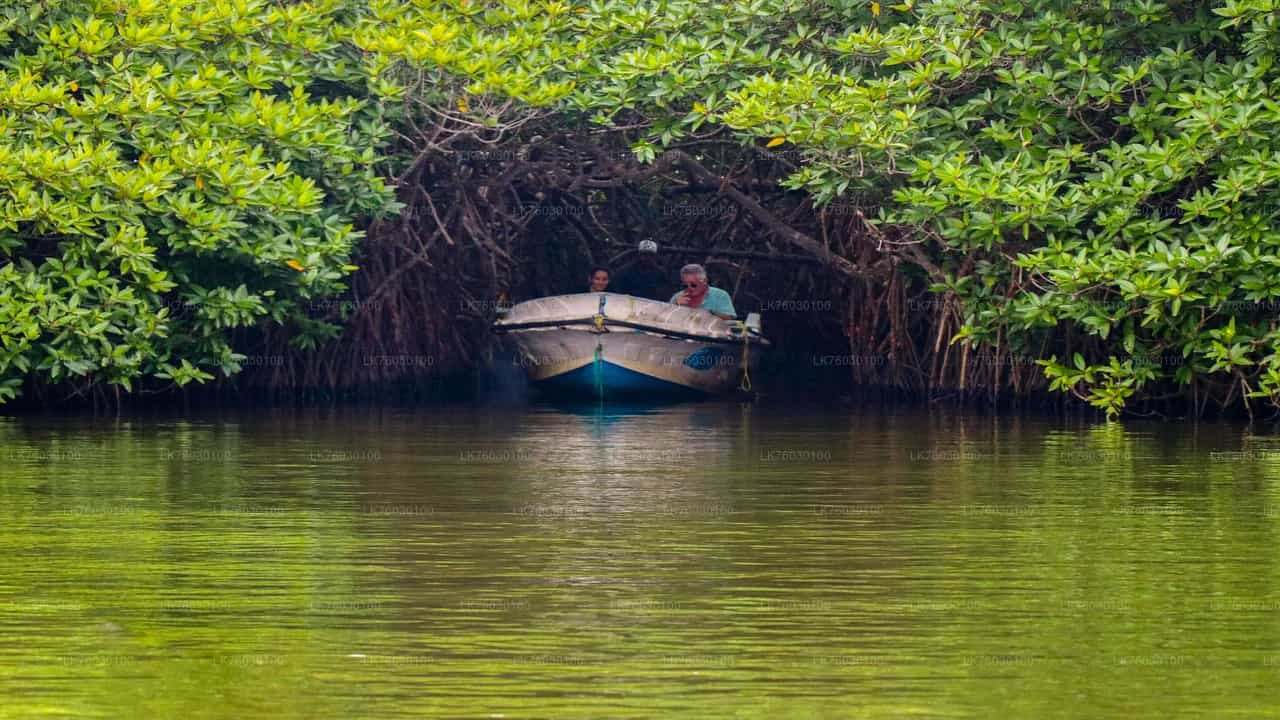
One of the most memorable phases of the safari is entering the dark mangrove tunnels. Here, mangrove trees growing on opposite banks arch over narrow water channels to form natural overhead vaults. Your boat driver throttles down the motor to let the craft drift silently under the cool shade. Beneath the canopy, sunlight filters through dense green foliage, while mangrove roots twist deep into the clear brackish water around your boat.
2. Cinnamon Island: Demonstration of Traditional Ceylon Spice Craft
The tour stops at a small, family-tended island dedicated entirely to the cultivation of real Ceylon cinnamon (Cinnamomum verum). On Cinnamon Island, local artisans demonstrate the meticulous, generations-old process of stripping outer tree bark, delicate peeling of the inner bark, and rolling ultra-thin layers into aromatic cinnamon quills. Guests can smell freshly cut bark, sample pure cinnamon oil distilled on site, and purchase authentic spice products directly from local farming families.
3. Kothduwa Buddhist Temple Island
Located on a isolated landmass in the center of the lagoon lies Kothduwa Raja Maha Viharaya, a serene island temple complex. Historical lore suggests this isolated sanctuary once sheltered Sri Lanka's sacred Tooth Relic during periods of regional upheaval. Visitors step ashore onto whitewashed stone steps leading up to an ornate shrine room, an ancient sacred Bodhi tree, and peaceful monastery grounds maintained by resident monks. Remember to cover shoulders and knees when landing on the temple island.
4. Floating Fish Therapy Platforms
Dotted along the open lagoon are floating wooden decks housing natural fish spa enclosures. For a small optional fee paid directly to the station hosts, visitors can sit on timber edges and submerge their feet into net enclosures where non-biting Doctor Fish (Garra rufa) gently nibble away dead skin cells. The sensation produces a ticklish, refreshing massage that remains a popular photo stop for families and group travelers.
5. Traditional Kraal Fishing Traps and Local Boats
As your boat glides across broader lagoon stretches, you will pass intricate bamboo lattice structures anchored into the river bed. Known locally as Ja-Kotu or Kraal fishing traps, these traditional installations use bamboo poles and kerosene or solar-powered lanterns at night to direct swimming prawns and mud crabs into trapped netting chambers. You will also spot local villagers paddling small timber outrigger canoes (oruwa) as they gather lagoon harvests.
3. Wildlife Spotting: What to Look For Along the WaterwaysThe calm waters and rich vegetation of Balapitiya provide ideal habitats for a wide range of endemic and migratory animal species. Keeping a keen eye on tree branches and riverbanks yields fantastic photographic opportunities throughout the tour.
Reptiles and Water Monitors
Large Asian water monitor lizards (Varanus salvator) are frequently seen swimming gracefully alongside boats or sunning themselves on half-submerged tree trunks. Growing up to two meters in length, these impressive reptiles are harmless to passing boats. Smaller land monitors, tree snakes, and occasionally secretive estuarine crocodiles (Crocodylus porosus) inhabit the deeper marsh edges, though crocodile sightings remain rare along active tour routes.
Birdlife of the Estuary
Birdwatchers can spot over 100 species of coastal and wetland birds across the Madu River region. Bright blue white-throated kingfishers and pied kingfishers often hover over open water before diving for small fish. Striking purple herons, great egrets, little cormorants, and night herons roost among high mangrove branches, while brahminy kites soar on thermals high above the central lagoon.
Monkeys and Tree Mammals
Troops of purple-faced langurs and Sri Lankan toque macaques move regularly through the upper fruit trees along island edges. Quiet early morning boats frequently capture views of monkey families leaping between mangrove branches or gathering wild sea-mangoes near the water's edge.
4. Practical Planning: Timing, Costs, and Safari LogisticsPlanning a Madu River excursion is straightforward, whether you are staying in nearby coastal resorts or passing through during a private multi-day Sri Lanka tour circuit.
- Starting Point: Boat jetties line the A2 coastal highway near Balapitiya bridge, roughly 80 kilometers south of Colombo and 35 kilometers north of Galle Fort.
- Standard Boat Duration: Private boat rides range from 90 minutes to 2 hours. Custom extended tours can be arranged for dedicated birdwatchers or photography trips.
- Estimated Safari Costs: Independent boat hire typically ranges from LKR 2,000 to 5,000 per person, or around USD 40 to USD 50 for a small private boat charter seating 2 to 6 guests. Final pricing varies based on private vs. shared boat setups, included island stops, and season.
- Ideal Hours to Visit: Book an early morning departure around 7:30 AM or an afternoon departure near 4:00 PM. Morning slots deliver cooler breezes and peak wildlife movement, while afternoon departures capture warm golden-hour light across the lagoon.
- Seasonal Considerations: As of November 2026, Sri Lanka's southwest coast enjoys dry, clear weather from December through April. Boat safaris run year-round, though heavy rainy monsoon days (typically May to October) can bring brief weather interruptions.
Sri Lanka's southern coastline features several river ecosystems. The quick guide below outlines how a Madu River boat safari compares with alternative regional water tours.
Madu River (Balapitiya)Mangrove canopy tunnels, Cinnamon Island, Kothduwa Temple, fish therapy1.5 to 2.0 HoursFamilies, culture seekers, first-time coastal travelersBentota River (Bentota)Deep mangrove channels, rich birdwatching, water sports nearby1.0 to 2.0 HoursResort guests seeking quick, quiet nature ridesKoggala Lake (Ahangama)Spice islands, Hermit island, temple history, lake birdlife1.5 to 2.5 HoursTravelers based near Galle, Unawatuna, or MirissaWalawe River (Ambalantota)Rambantota mangroves, fruit bat colonies, remote wild scenery2.0 to 3.0 HoursWildlife photographers and off-the-beaten-path travelers6. How to Fit the Madu River into Your Southern ItineraryBecause Balapitiya sits directly along Sri Lanka's main southwestern corridor, a river safari fits seamlessly into daily travel plans. Here is how our local travel experts recommend sequencing your coastal trip:
- Departure: Leave your hotel in Bentota, Ahungalla, or Wadduwa after an early breakfast. Drive south along the scenic coastal road toward Balapitiya (approx. 20–30 minutes from Bentota).
- Morning River Safari: Board your private motorboat at 8:00 AM to explore the mangrove tunnels, Cinnamon Island, and Kothduwa Temple while temperatures remain pleasant.
- Local Conservation Stop: Visit a nearby community turtle conservation project in Kosgoda or Ahungalla to learn about sea turtle nesting protection.
- Coastal Journey South: Continue driving south toward Hikkaduwa or Galle Fort for lunch at a seaside restaurant, finishing your afternoon walking the historic ramparts of Galle Fort.
Plan It with Zephyra TravelsLocal tip: To avoid midday humidity and crowded waterways, schedule your boat ride around 8:00 AM. Wildlife is considerably more active in early morning hours, and the sun is less intense under open boat roofs.
At Zephyra Travels, we design smooth, tailored private itineraries across Sri Lanka. Our dedicated local driver-guides pick you up in air-conditioned comfort, handle all boat jetty arrangements, and seamlessly connect your Madu River safari with historic Galle Fort visits, wildlife safaris, and tea country excursions.
Ready to start planning your custom island escape? Browse our expertly designed Sri Lanka tour packages to build your ideal private journey today.