Kandy Esala Perahera Randoli: The Climax of Sri Lanka's Sacred Festival
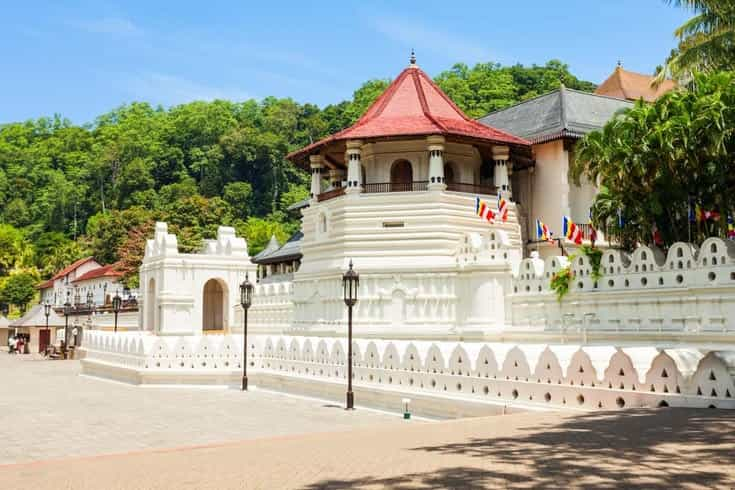
The Randoli Perahera is the magnificent five-night grand finale of the annual Kandy Esala Perahera, representing the highest peak of Sri Lanka's cultural and spiritual celebrations. Occurring during the final five nights of the ten-day festival in Kandy, the Randoli processions feature the sacred Tooth Relic casket carried by the majestic main Tusker, accompanied by hundreds of whip-crackers, fire-spinners, traditional Kandyan drummers, and gracefully dressed dancers.
Unlike the preliminary Kumbal Perahera phase, the Randoli Perahera introduces the sacred golden palanquins (Randoli) belonging to the consorts of the deities from the four main Devales (Natha, Vishnu, Kataragama, and Pattini). As of November 2026, international interest in Sri Lanka's cultural calendar continues to peak, making advance ticket booking and logistical planning essential for securing prime viewing balcony seats along the procession routes in Kandy.
At a Glance- Festival Phase: Randoli Perahera occupies the final 5 nights of the 10-night Kandy Esala Perahera festival, concluding with the grand Maha Randoli Perahera.
- Key Difference: Features the golden palanquins (Randoli) carrying regal ornaments and consorts of the deities, joining the main Temple of the Sacred Tooth Relic parade.
- Peak Night: The 5th Randoli night—known as Maha Randoli Perahera—is the largest, longest, and most elaborate procession of the year.
- Viewing Strategy: Reserved seats on Dalada Veediya, Raja Veediya, or Yatinuwara Veediya balcony stands must be secured months ahead for clear views and comfortable seating.
- Day Ritual: Concludes the following morning with the Diya Kepeema (Water Cutting Ceremony) at Getambe on the Mahaweli River, followed by the Day Perahera.
- Dress Code: Smart modest attire covering shoulders and knees is mandatory for all spectators attending religious procession areas.
The Kandy Esala Perahera is structured into distinct sequential stages, beginning with the Kap Planting ritual and followed by five nights of internal Devale processions. The public celebrations emerge onto the streets with the five nights of Kumbal Perahera, which serve as an energetic prelude. However, the energy, scale, and sacred symbolism escalate dramatically during the five grand Randoli nights.
Historical tradition dictates that during ancient royal times, the Queen of Kandy and noble royal ladies rode in palanquins immediately behind the processions. In modern times, the palanquins carry sacred emblems, regal swords, and ritual ornaments of the four Devales. The inclusion of these gilded palanquins transforms the procession from a standard temple parade into a full royal homage to the Sacred Tooth Relic of Gautama Buddha.
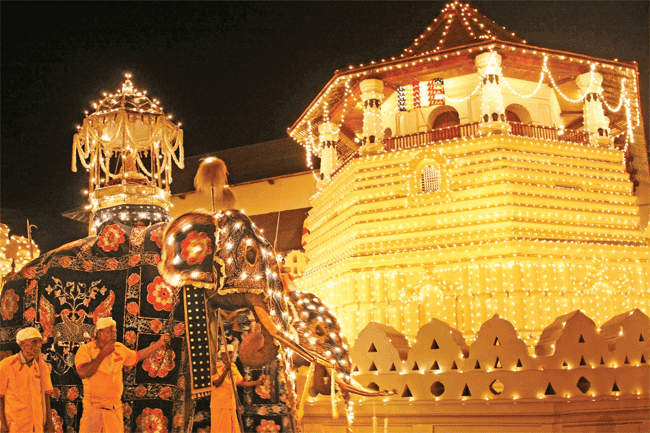
Leading the procession is the whip-crackers whose thunderous snaps clear the path, followed by flag-bearers displaying regional ancient standards. Next come the heroic fire-dancers spinning lit torches, preceding teams of traditional low-country and Kandyan drummers whose rhythms reverberate through the hills of Kandy. The emotional climax of the evening arrives when the majestic Maligawa Tusker, fully draped in silk and gold embroidery, walks along white carpets (Pawaada) carrying the golden Karanduwa (sacred relic casket container).
The 5 Nights of Randoli Perahera: Night-by-Night ProgressionWhile each of the five Randoli nights delivers an extraordinary display of pageantry, the size of the procession and the length of the street routes expand progressively each evening. Visitors planning their trip to Kandy should understand how the festival builds toward its grand crescendo.
1. First to Third Randoli Nights - Magnificent Warm-up
The first three nights of Randoli Perahera establish the full grandeur of the festival. All five major temples—the Sri Dalada Maligawa, Natha Devale, Vishnu Devale, Kataragama Devale, and Pattini Devale—combine their resources. Dozens of adorned elephants take part, while traditional arts schools perform intricate Ves dancing, pantheru routines, and pole dances under the night sky.
2. Fourth Randoli Night - Expanding Sacred Routes
By the fourth Randoli night, local crowds swell significantly along the main streets of Kandy. The procession route lengthens to incorporate broader loop sections of Yatinuwara Veediya and D.S. Senanayake Veediya. The tempo of the drummers increases, and the temple custodians walk in full ceremonial ancient attire.
3. Fifth Night: Maha Randoli Perahera - The Grand Final Procession
The final Randoli procession, universally called the Maha Randoli Perahera, is the absolute pinnacle of cultural travel in Sri Lanka. Occurring on the full moon night of Esala (typically late July or August), this epic spectacle showcases over 100 adorned elephants and thousands of drummers, dancers, and torchbearers. The parade can span over three hours in length, mesmerizing spectators with unmatched spiritual radiance and ancient artistry.
Kumbal Perahera vs Randoli Perahera: Key DifferencesTravelers often ask whether they should attend the Kumbal Perahera or wait for the Randoli Perahera. The following comparison table outlines the primary distinctions between these two iconic festival stages to help you choose the ideal experience for your itinerary.
Sacred Golden PalanquinsNot present in street paradePresent in all 5 nightsNumber of ElephantsTypically 30 to 50 elephants70 to 100+ fully adorned elephantsProcession LengthApproximately 1.5 to 2 hours3 to 4 hours (Maha Randoli)Crowd DensityModerate to heavy local crowdsExtremely high national & global turnoutTicket & Seating DemandModerate availabilityHigh demand; books months in advanceAtmosphere & ScaleLively, semi-intimate, ritualisticGrandest royal pageantry & climaxEssential Guide to Viewing Seats and Tickets for Randoli PeraheraWatching the Randoli Perahera requires careful planning due to the immense crowds that gather in Kandy. Over one hundred thousand spectators line the streets each evening during the Randoli phase. While local devotees reserve spots on pavements starting early in the morning, international travelers usually prefer reserved gallery or balcony seating.
Reserving Street-Front Balcony Seats
Private businesses, banks, and heritage hotels along Dalada Veediya and Raja Veediya build temporary tiered wooden galleries and open up their upper-floor balconies for ticket holders. A dedicated reserved balcony seat provides elevated line-of-sight photography opportunities, overhead protection against potential tropical evening showers, and access to private restroom facilities.
Choosing the Right Street Location
The starting point near the Temple of the Sacred Tooth Relic offers intense spiritual energy as the procession exits the main gates. Balconies along Dalada Veediya offer long straight vistas of approaching elephants and dancers under glowing street lamps. Viewing stands near the Queen's Hotel corner provide excellent wide-angle views as the heavy procession turns toward Kandy Lake.
Practical Steps for Attending the Randoli ProcessionNavigating Kandy during the Randoli Perahera requires strict adherence to local timing and movement regulations. Roads surrounding the city center close to vehicle traffic by mid-afternoon on each procession day.
- Book Accommodations and Seats Early: Confirm hotel rooms in Kandy city or surrounding hills at least 3 to 6 months in advance for August festival dates.
- Arrive in the Viewing Area Early: Enter your designated balcony or viewing stand by 4:00 PM to 5:00 PM, well before street barricades lock down pedestrian crossings at 6:00 PM.
- Dress Responsibly: Wear white or light-colored attire covering shoulders and knees. Avoid hats or umbrellas during the procession pass as they block views for spectators behind you.
- Prepare Personal Essentials: Carry bottled drinking water, small hand fans, portable phone power banks, and wet wipes in a compact bag.
- Stay Seated During Sacred Passes: Stand quietly and refrain from flash photography when the main Tusker carrying the sacred Karanduwa passes directly in front of your balcony.
Local tip: Always arrange for your private driver to meet you at a pre-designated drop-off zone outside the primary security ring, such as Katugastota or Peradeniya Road, as central Kandy streets remain blocked until late at night.Post-Randoli Rituals: Water Cutting and Day Perahera
The grand finale of the Randoli phase does not mark the complete end of ritual customs. Following the midnight conclusion of the Maha Randoli Perahera, the sacred emblems are carried in procession to the Mahaweli River at Getambe near Peradeniya for the historic Diya Kepeema (Water Cutting Ceremony).
Chief priests board decorated river boats before dawn to part the river waters with a sacred golden sword, drawing fresh water into holy vessels that are preserved until the following year's festival. Later that afternoon, a final Day Perahera moves through Kandy to mark the successful completion of the festival, after which the festival custodians formally present the completion report to the President of Sri Lanka at the Kandy King's Pavilion.
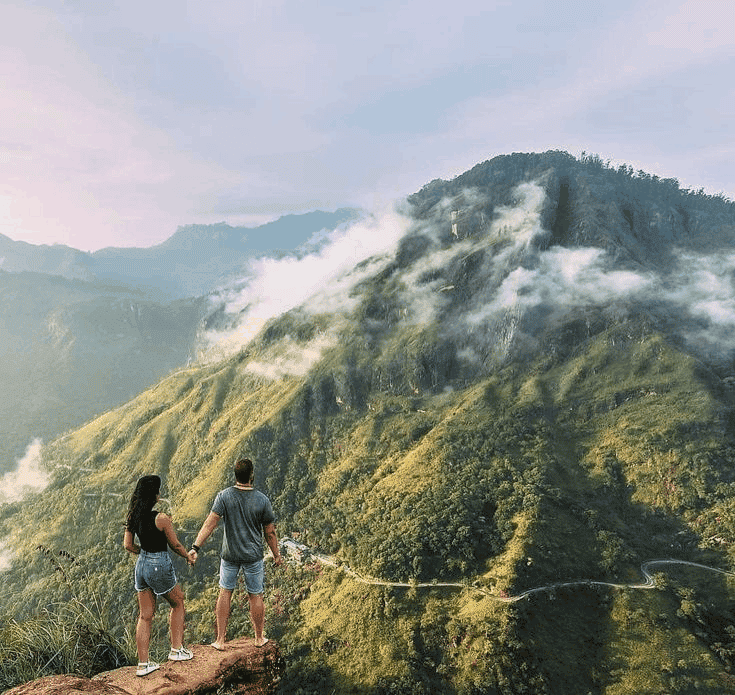
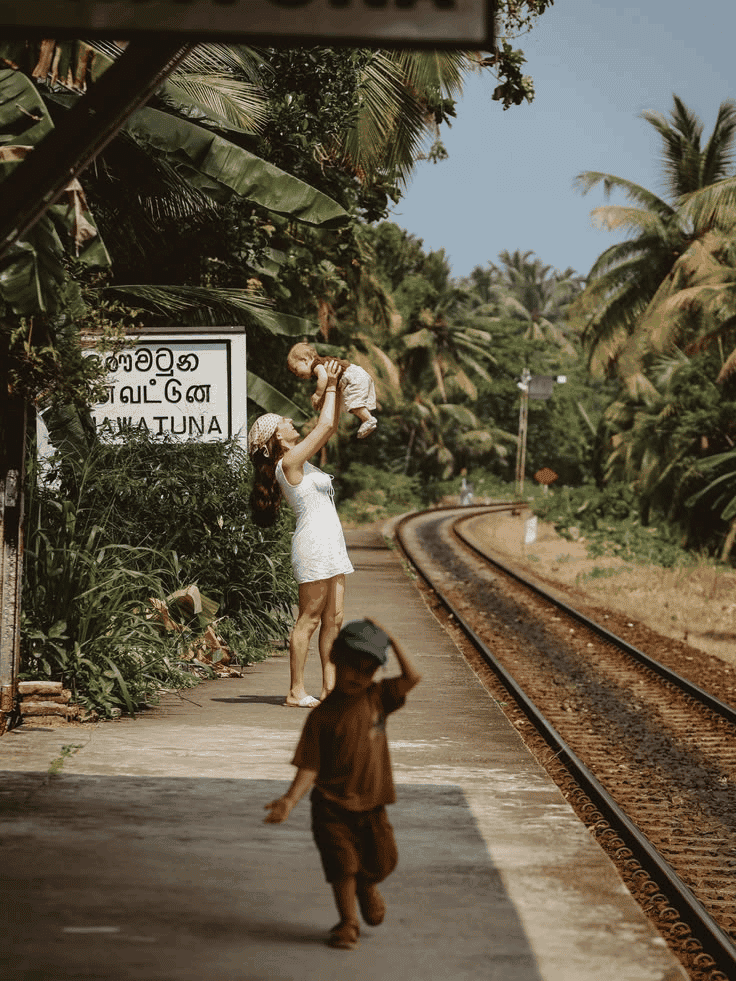
Integrating Kandy Perahera into a Sri Lanka ItineraryA visit to Kandy for the Randoli Perahera fits seamlessly into a broader circuit of Sri Lanka's cultural, hill country, and wildlife destinations. Travelers routinely combine the festival with exploring the ancient rock fortress of Sigiriya, the cave temples of Dambulla, and scenic train journeys through the tea highlands.
Given that the Randoli Perahera occurs during the peak July and August summer travel season, pairing Kandy with the sun-drenched east coast beaches of Trincomalee or Pasikuda offers ideal weather balance across the island. Alternatively, wildlife enthusiasts can travel south from Kandy toward Minneriya for the famous elephant gathering or down to Yala National Park for leopard safaris.
Plan It with Zephyra TravelsAt Zephyra Travels, our local travel experts and professional chauffeur-guides ensure your experience of the Kandy Esala Perahera is stress-free, comfortable, and deeply immersive. We handle all ground logistics, including pre-arranged reserved balcony tickets with prime street views, luxury hill country stays, and private vehicle transport positioned strategically outside traffic restriction zones.
Whether you wish to experience the final Maha Randoli Perahera as part of a complete 10-day cultural journey or combine it with tea country trains and wildlife safaris, our team customizes every detail around your pacing and preferences. Explore our curated private Sri Lanka tour packages to start planning your seamless cultural holiday with local experts.