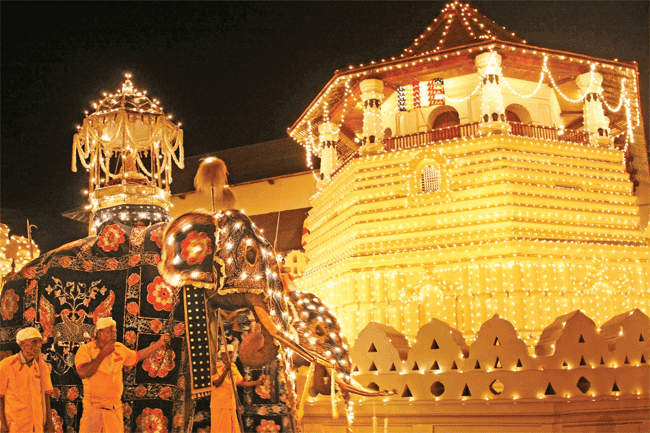
Kumbal Perahera Guide: Experiencing the Initial Nights of Kandy Esala Perahera
The Kumbal Perahera represents the first major public procession phase of the annual Kandy Esala Perahera, lasting for five consecutive nights after the preliminary Kap Ruka planting rituals. It offers visitors an intimate look at Sri Lanka’s revered Buddhist heritage, featuring traditional whip-crackers, flame dancers, Kandyan drummers, and decorated elephants parading around the Temple of the Sacred Tooth Relic.
Compared to the later Randoli processions, the Kumbal Perahera provides a slightly calmer atmosphere while retaining full spiritual devotion and cultural vibrancy. As of November 2026, travelers planning to experience this festival can enter Sri Lanka using the free 30-day tourist ETA available to eligible nationalities, making winter and late-summer festival planning straightforward through official channels.
At a Glance- Duration & Timing: Five consecutive evening processions following the Kap Ruka ritual, usually occurring in July or August depending on the full moon.
- Visual Highlights: Devale processions, whip-crackers, jugglers, fire-spinners, Geta Bera drummers, and sacred elephant regalia.
- Crowd Pacing: Less densely packed than the final Randoli nights, offering clearer views from street-side stands.
- Routing: Begins near the Temple of the Sacred Tooth Relic (Sri Dalada Maligawa) and loops through central Kandy streets.
- Etiquette: Requires modest white or light-colored attire covering shoulders and knees, plus respectful silence during sacred relic passes.
The Kumbal Perahera is the first of two main street procession stages forming the grand Kandy Esala Perahera festival. Originating centuries ago to invoke blessings for rain and fertility, the procession blends ancient Buddhist worship with rituals dedicated to the four guardian deities: Natha, Vishnu, Katharagama, and Pattini. During these first five nights, young performers and novice dancers frequently step into prominent roles, earning their place in the ancient artistic lineages of the Central Province.
The procession commences when the cannon fires at the Sri Dalada Maligawa, signaling the movement of the Maligawa Perahera led by the whip-crackers. Behind them follow the flag bearers representing historical provinces, temple custodians (Nilames) wearing ceremonial Kandyan attire, and the Maligawa elephant carrying the casket replica. The four devale (shrine) processions follow immediately in strict historical sequence, bringing hundreds of performers onto the streets of Kandy.
Kumbal Perahera vs Randoli Perahera: Key DifferencesTravelers often evaluate whether to attend the Kumbal Perahera or wait for the later Randoli nights. While both stages present spectacular visual traditions, they differ significantly in scale, atmosphere, and seating availability.
AtmosphereIntimate, highly traditional, sacred focusGrand, intense energy, peak celebrationCrowd DensityModerate to high; easier street accessExtremely dense; streets fill hours earlyPalankeens (Randoli)Not included in parade lineIncludes golden palanquins of the goddessesPerformersMix of seasoned masters and young dancersTop master dancers and senior drummersSeating Ticket DemandModerate demand, flexible bookingHigh demand, premium ticket pricingChoosing the Kumbal Perahera allows visitors to witness authentic rituals without the extreme crowd congestion that characterizes the final Randoli night. It is particularly suitable for families, senior travelers, and photography enthusiasts who prefer manageable street access.
The Five Nights of Kumbal Perahera: Procession Sequence and OrderEvery night of the Kumbal Perahera follows a time-honored structure, ensuring each temple and deity shrine receives proper representation in the parade.
- Whip-Crackers and Flag Bearers: Loud whip cracks clear the street path, followed by colorful banners symbolizing the ancient kingdoms and provincial divisions of Sri Lanka.
- Peramuna Rala and Elephant Pageantry: The official temple herald rides the leading elephant, carrying ancient palm-leaf records detailing temple lands and traditions.
- Geta Bera Drummers and Ves Dancers: Scores of traditional drummers set energetic rhythms while bronze-crowned Ves dancers execute precise ritual footwork.
- The Sacred Casket Procession: The main Maligawa elephant, adorned in embroidered silk caparisons, carries the sacred relic casket under a silk canopy alongside temple guardians.
- The Four Devale Processions: The shrines of Natha, Vishnu, Katharagama, and Pattini march in order, each displaying distinct dance forms, folk music, and symbolic colors.
Selecting the right viewing location changes your overall festival experience. Street seating options range from paid balcony reservations to standing alongside local devotees on public pavements.
1. Dalada Veediya (Temple Street) - Best for Up-Close Ritual Views
Dalada Veediya offers direct line-of-sight to the main gates of the Temple of the Tooth. Processions start here, meaning performers begin their routines with maximum energy. Paid gallery seating along shop fronts provides comfortable elevated views, though tickets must be secured ahead of time.
2. Raja Veediya (King Street) - Best for Photography and Lighting
Raja Veediya features historical stone buildings and street arches that frame the illuminated elephants and dancers exceptionally well. Positioning yourself along Raja Veediya typically allows clear angles of both the Maligawa and devale sections of the parade.
3. D.S. Senanayake Veediya - Best for Spacious Seating Options
Running along the commercial core, D.S. Senanayake Veediya offers numerous commercial building balconies converted into temporary viewing stands. It is typically about a 10-minute walk from Kandy Lake and provides better ventilation during warm evening hours.
Essential Travel Tips for Attending Kumbal PeraheraPlanning your evening around the festival route requires attention to timing, dress code, and local transport adjustments.
- Arrive Early: Street closures in central Kandy usually begin by late afternoon (around 4:00 PM to 5:00 PM). Arrive at your designated seat early to avoid walking through barricaded streets.
- Dress Appropriately: Show respect by dressing in clean white or light clothing. Shoulders and knees must remain covered throughout the procession.
- Stay Hydrated: Tropical humidity remains high in Kandy during festival evenings. Carry bottled water, as vendor movement becomes restricted once the parade begins.
- Manage Transport: Vehicles cannot enter the inner city ring during parade hours. Arrange pre-booked transport with a private driver who knows peripheral drop-off points.
Plan It with Zephyra TravelsLocal tip: Book balcony seating on the second or third night of Kumbal Perahera. You will experience the complete line-up of dancers and elephants with significantly shorter wait times and easier exit routes than on the final night of the festival phase.
Navigating festival crowds, street closures, and reserved seating in Kandy demands reliable local knowledge. Zephyra Travels organizes private drivers and curated cultural circuits, ensuring you secure comfortable viewing spots while seamlessly connecting your Kandy itinerary with the hill country, Cultural Triangle, or coastal resorts.
To explore custom private itineraries around the Kandy Esala Perahera season, view our private Sri Lanka tour packages and begin crafting your trip with local travel experts.