Experiencing the Kandy Esala Perahera Grand Randoli Procession
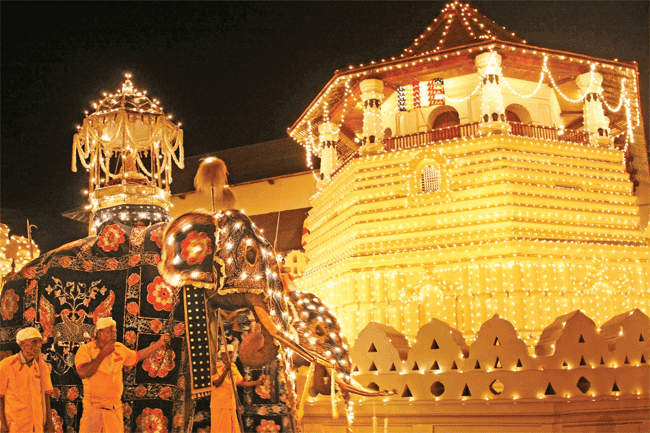
The Kandy Esala Perahera Grand Randoli is the climactic final night procession of Sri Lanka's most sacred ten-day Buddhist festival, held annually in the hill capital of Kandy. Featuring the gilded Karanduwa (replica casket of the Sacred Tooth Relic) carried by the majestic Sri Dalada Maligawa Tusker, this grand spectacle unites hundreds of dressed elephants, whip crackers, fire spinners, and traditional Kandyan drummers in an unmatched display of devotion and heritage.
As the final night before the morning water-cutting ceremony (Diya Kepeema), the Grand Randoli Perahera represents the largest, longest, and most intricate procession of the entire Esala season. Travelers from around the globe converge on Kandy to witness this vibrant pageant, making advanced planning for seating, private driver logistics, and temple access essential.
At a Glance- Peak Night Spectacle: The Grand Randoli is the 10th and final night of the Kandy Esala Perahera, usually occurring in July or August during the Esala full moon period.
- Royal Palanquins: Unlike the initial Kumbal nights, the Randoli processions incorporate the sacred Randoli (golden palanquins) belonging to the queens of Kandy, representing royal honour and divine protection.
- The Main Attraction: The Maligawa Tusker walks upon white carpets (Pawaada) wearing richly embroidered silk robes, carrying the sacred golden casket underneath a silk canopy.
- Seating Strategy: Street level seats require early afternoon arrival, while reserved gallery and balcony seats along Raja Veediya offer prime viewing without crowd stress.
- Travel Logistics: Central Kandy streets close to vehicle traffic by early afternoon on Randoli nights, requiring private transfers with licensed local drivers who know designated drop-off zones.
The Kandy Esala Perahera dates back over eight centuries, originating as a fusion of two ancient traditions: the festival praying to the deities for rain and fertility, and the public procession honoring the Sacred Tooth Relic of the Buddha. While the festival spans ten nights, the ritual dynamic changes significantly as the event progresses from the Kumbal Perahera to the Randoli Perahera.
The word Randoli refers to the golden palanquins in which the chief queens of the Kandyan kingdom historically traveled. In modern times, four golden palanquins carrying deity insignia representing the four guardian shrines (Natha, Vishnu, Katharagama, and Pattini Devales) join the tail end of the procession during the last five nights. The final evening, known as the Grand Randoli, features the maximum number of participating elephants, elite dance troupes, and temple officials wearing traditional royal court regalia.
Kumbal Perahera vs Randoli Perahera: Comparing the NightsUnderstanding the difference between the initial festival nights and the final Grand Randoli helps travelers decide when to visit Kandy and where to invest in reserved seating. The festival sequence follows a strict ritual order that builds in scale and reverence every evening.
Kapa Ruka Planting1 MorningPrivate tree planting ritual at the four DevalesLowCultural historiansDevale Perahera5 NightsInternal processions within shrine groundsModerateLocal devoteesKumbal Perahera5 NightsInitial public street parades, sacred casket displayedHighBudget travelersRandoli Perahera4 NightsGolden palanquins added, increased elephant numbersVery HighGeneral sightseersGrand Randoli1 NightMaximum scale, full ceremonial regalia, full paradeExtremeCulture seekers & VIPsKey Ritual Highlights of the Grand Randoli NightThe Grand Randoli Perahera follows a detailed sequence designed over centuries of Kandyan royal customs. Each group within the parade fulfills a specific ceremonial duty passed down through generations of artist families.
1. Whip Crackers and Fire Dancers
The procession begins with the sharp, rhythmic sounds of whip crackers clearing the street. Their cracking whips signify the clearing of bad omens and warning the crowds of the procession's approach. Immediately following are skilled fire dancers spinning ignited coconut-shell hoops on iron rods, creating dazzling rings of light against the night sky.
2. The Provincial Flag Bearers and Coconut Flower Dancers
Next in line are representatives bearing banners of the ancient provinces and disavonis of the Kandyan Realm. Accompanied by traditional musicians playing the Horanawa (a traditional pipe instrument) and Getaberaya (Kandyan drum), young performers carry fresh coconut blossoms symbolizing abundance and agricultural prosperity.
3. The Four Guardian Devale Processions
Following the main Temple of the Sacred Tooth Relic (Sri Dalada Maligawa) procession, four individual parades represent the main shrines that guard Kandy:
- Natha Devale: Dedicated to Natha, the future Buddha, holding seniority among the four shrines.
- Vishnu Devale: Honors the guardian deity Vishnu, associated with protection and preservation.
- Katharagama Devale: Dedicated to the warrior god Katharagama, featuring vibrant peacock feather dancers (Kavadi).
- Pattini Devale: Honors the goddess of health and purity, featuring women dancers and gentle floral motifs.
4. The Sacred Maligawa Tusker and Golden Karanduwa
The emotional apex of the Grand Randoli occurs when the chief Maligawa Tusker emerges from the temple gates. Stepping exclusively on a continuous white cloth pathway (Pawaada) unrolled by temple attendants, the tusker bears the golden reliquary casket beneath an illuminated canopy. As the magnificent elephant passes, thousands of devotees raise their hands and chant