Institutional Partnerships and Public-Private Collaboration in Sri Lanka Sustainable Tourism
Institutional partnerships and public-private collaboration form the foundational bedrock of modern sustainable tourism management in Sri Lanka. By aligning multi-stakeholder government bodies, local communities, conservation agencies, and private destination management companies, Sri Lanka transforms eco-tourism assets into world-class travel experiences.
As of November 2026, Sri Lanka welcomed over 1.96 million international visitors year-to-date, crossing the 2 million milestone in late November following a record-breaking October. Achieving this growth while protecting the island's fragile biodiversity relies directly on institutional coordination between state authorities and private sector operators.
At a Glance- Institutional Scope: Public-private collaboration integrates government ministries, conservation departments, regional councils, and licensed travel management companies.
- Flagship Success: The Pekoe Trail demonstrates how 300 kilometres of tea heritage routes can be sustainably managed through multi-stakeholder governance.
- Conservation & Infrastructure: State agencies like the Department of Wildlife Conservation and Department of Railways work alongside private operators to regulate trail safety and access.
- Community Livelihoods: Collaborative frameworks empower local villages, women's cooperatives, and local tea estate communities through direct micro-enterprises.
- Traveler Benefits: Structured public-private models provide international travelers with transparent trail passes, verified safety standards, and reliable private guided itineraries.
Institutional partnerships in Sri Lanka bring together diverse government authorities, non-governmental organisations, international development agencies, and private travel companies to build resilient tourism infrastructure. These collaborative frameworks establish long-term destination stewardship while preserving cultural and natural resources.
Sri Lanka tourism operates through unified policy alignment across key ministries. State entities such as the Ministry of Foreign Affairs, Foreign Employment and Tourism work in unison with the Sri Lanka Tourism Development Authority (SLTDA) and the Sri Lanka Tourism Promotion Bureau (SLTPB). These bodies define national entry policies—such as the free 30-day tourist ETA initiative active for 40 nationalities as of November 2026—and regulate ground operator licensing to guarantee international visitor safety.
From an operational standpoint, public-private collaboration allows government agencies to focus on policy, environmental protection, and public asset maintenance, while private inbound operators manage guest logistics, route design, and customer care. This synergy prevents over-tourism, protects delicate micro-climates in the central highlands, and ensures that tourism revenue flows directly back into local infrastructure.
Key Government Stakeholders and Public-Private CollaborationPublic-private collaboration requires multi-layered coordination among specialized government departments to maintain public travel assets and natural reserves across Sri Lanka.
Under formal governance structures, state stakeholders participate through dedicated steering committees and multi-agency coordination mechanisms to balance ecological preservation with commercial tourism operations. Key government entities include:
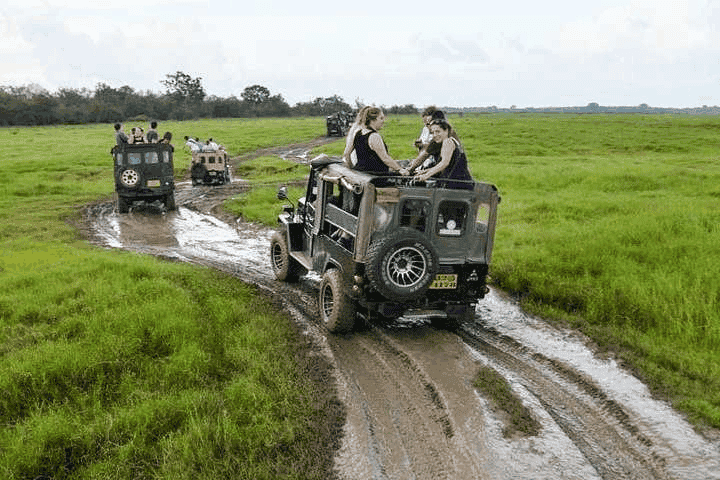
- Department of Wildlife Conservation & Department of Forest Conservation: Regulate visitor entry, preserve biological corridors, and oversee wildlife safari guidelines in national parks like Yala, Wilpattu, and Udawalawe.
- Department of Railways: Coordinates scenic hill-country train logistics between Kandy, Nanu Oya, and Ella, managing heritage assets while facilitating tourist transit alongside regular commuter traffic.
- Ministry of Plantation and Community Infrastructure: Engages estate communities and tea plantation management companies to maintain historical footpaths and support estate worker livelihoods.
- Ministry of Defense & Local Law Enforcement: Maintains regional safety protocols, emergency response networks, and visitor security along remote trekking corridors.
By engaging these state stakeholders alongside local inbound tour operators, Sri Lanka ensures that public infrastructure projects—such as rail lines, forest reserves, and tea estate access roads—are maintained to international safety standards while supporting sustainable tour operations.
The Pekoe Trail: A Model for Sustainable Public-Private Travel InitiativesThe Pekoe Trail serves as Sri Lanka’s premier blueprint for multi-stakeholder institutional partnerships, connecting 300 kilometres of historic tea estate trails across the Central Highlands.
Managed under a dedicated governance model involving the Pekoe Trail Company, government steering committees, and private destination management partners, the trail spans 22 distinct stages. It links cultural hubs like Kandy and Hatton with scenic highland towns such as Nuwara Eliya, Haputale, and Ella. Rather than building disruptive new concrete highways, the trail repurposes existing estate paths built during the 19th-century tea boom, minimizing environmental impact while creating a world-class walking corridor.
1. Trail Management and Visitor Access
Trail integrity relies on continuous coordination between estate management, municipal councils, and conservation officials. Official trail passes are distributed through designated institutional nodes, including the Ceylon Tea Museum in Kandy, ensuring regulated entry and contributing directly to trail upkeep and environmental monitoring.
2. Environmental Stewardship and Conservation
Passing through cloud forests, sacred watersheds, and endangered leopard habitats, The Pekoe Trail enforces strict leave-no-trace protocols. Forest officers work alongside local trail guides to monitor biodiversity, clear invasive species, and maintain erosion prevention structures along steep mountain passes.
Community Livelihoods, Conservation, and Destination ManagementPublic-private tourism models in Sri Lanka prioritize local community development, turning sustainable travel into long-term economic empowerment for regional villagers.
Through collaborative programs, local village hosts, female artisans, and estate workers receive specialized hospitality training, language education, and trail guide certification. This decentralized economic model ensures that tourism spending directly supports family micro-enterprises, village homestays, and regional tea production standard maintenance.
Local tip: When hiking highland trails like The Pekoe Trail or exploring national park buffers, always hire a licensed local driver-guide and community trail escort. Local guides provide unmatched safety, explain subtle flora and fauna details, and ensure your travel spend directly benefits local estate families.
Furthermore, destination management initiatives address plastic waste reduction, water conservation, and renewable energy adoption across mountain lodges and safari camps. By embedding community welfare into public policy, Sri Lanka fosters genuine cultural exchanges between foreign travelers and local hosts.
Comparing Public, Private, and Community Roles in Sri Lanka TourismUnderstanding how different sectors collaborate helps travelers appreciate how seamless island operations are achieved behind the scenes. The comparison below illustrates the complementary responsibilities across Sri Lanka's tourism ecosystem.
Public SectorPolicy, infrastructure, conservation law, safety regulationSLTDA, SLTPB, Wildlife Dept, Forest Dept, RailwaysSafe transport hubs, clear entry rules, preserved national parksPrivate SectorGuiding services, custom itineraries, transport, logisticsLicensed DMCs, private chauffeurs, boutique hotelsSeamless multi-day tours, 24/7 ground assistance, flexible routesCommunity SectorLocal guiding, cultural hosting, authentic food, craftsEstate cooperatives, local trail guides, village hostsAuthentic cultural interactions, direct local economic impactMulti-Sector PartnershipsTrail maintenance, conservation funding, safety standardsThe Pekoe Trail Company, Steering CommitteesStandardized trail passes, clear signage, eco-certified routesPractical Tips for Hiking Partnered Routes and TrailsNavigating public-private travel initiatives in Sri Lanka requires thoughtful pre-trip planning, especially when coordinating highland treks and multi-regional itineraries.
- Obtain Official Trail Passes Early: Secure official passes at designated hubs like the Ceylon Tea Museum before embarking on regulated trekking sections to support trail maintenance.
- Book Private Chauffeur Transfers for Luggage: While trekking individual trail stages, arrange for your private driver to transport heavy luggage between overnight lodges in Nuwara Eliya or Ella.
- Check Regional Monsoon Patterns: Mountain weather changes quickly; plan central highland hikes during dry windows (typically December to April) while checking weather updates with your local tour manager.
- Combine Rail and Trail Experiences: Schedule scenic train rides along the Main Line between Kandy and Ella to complement on-foot trekking along nearby estate stages.
- Respect Local Estate Regulations: Stay on marked public footpaths across working tea plantations, yielding path access to estate tea pluckers and farm vehicles.
At Zephyra Travels, our local travel experts in Colombo work directly within Sri Lanka's public-private framework to deliver seamless, responsible, and immersive private holidays. Whether you want to trek historic highland tea trails, explore protected national park ecosystems, or experience authentic village culture, our dedicated team handles every detail—from air-conditioned private vehicles and licensed driver-guides to curated boutique stays.
Explore our handcrafted Sri Lanka tour packages to start customizing your private island itinerary with our local travel experts today.