Going Green: Sustainable Travel & Our Carbon Offset Plan in Sri Lanka
Going green with our offset plan provides international travelers with a practical roadmap to minimize carbon emissions while exploring Sri Lanka. By combining direct emissions reduction through fuel-efficient private vehicles and scenic hill country train journeys with local habitat restoration, our sustainable travel strategy allows you to experience the island responsibly.
Global research indicates that tourism accounts for roughly eight percent of global carbon dioxide emissions, with long-haul aviation and ground transportation generating the largest share. In Sri Lanka, protecting delicate cloud forests, mangrove estuaries, and elephant corridors requires active stewardship from local tour operators and visitors alike. As of November 2026, sustainable travel in Sri Lanka focuses on balancing private comfort with direct environmental benefits, ensuring that your exploration directly supports local communities and habitat preservation.
At a Glance- Carbon Consciousness: Global tourism generates roughly 8% of CO2 emissions, making low-impact travel choices vital for island destinations.
- Fleet Optimization: Using fuel-efficient vehicles and smart route planning reduces total fuel consumption across multi-day island circuits.
- Rail Transport Integration: Swapping highway driving for scenic trains cuts transport emissions while offering iconic highland vistas.
- Community Reforestation: Supporting native tree planting and coastal mangrove restoration offsets unavoidable transport emissions.
- Waste Reduction: Eco-conscious itineraries prioritize refillable water solutions and plastic-free local dining choices.
Traveling across an island nation as bio-diverse as Sri Lanka involves navigating distinct geographical zones, from coastal palm fringes to central highlands rising over 2,000 meters above sea level. While moving between these highlights allows visitors to experience tropical beaches, ancient ruins, and tea plantations in a single trip, transport energy adds up quickly. Standard road journeys, aviation fuel for international arrivals, and hotel energy consumption all contribute to an itinerary's total carbon footprint.
To protect Sri Lanka’s vulnerable ecosystems, eco-friendly touring must go beyond passive recycling. It requires a structured approach to measuring, reducing, and balancing carbon output. By prioritizing energy-efficient transport options, choosing eco-certified boutique stays, and engaging in local environmental projects, travelers can dramatically reduce their environmental impact without sacrificing convenience or luxury.
Going Green: Our Offset Plan Principles and ExecutionOur offset strategy rests on three primary pillars: direct carbon reduction on the ground, investment in certified local environmental projects, and active empowerment of local hosts. Rather than relying solely on distant global carbon credits, our plan targets environmental projects within Sri Lanka where local ecosystems and communities benefit directly.
Through our operational partner platforms, we streamline private vehicle routing to avoid unnecessary backtracking across the cultural triangle and southern coast. Combined with driver training in fuel-efficient driving techniques, these operational tweaks reduce vehicle emissions per kilometer covered. Unavoidable carbon output is then balanced through direct support for localized reforestation initiatives in the Central Highlands and mangrove restoration along the Southern Province estuaries.
4 Sustainable Ways to Travel Across Sri Lanka1. Train Journey Integration - Best for Low-Carbon Hill Country Travel
Incorporating public rail travel into private tour itineraries is one of the most effective ways to lower your footprint. The train ride between Kandy, Nanu Oya (Nuwara Eliya), and Ella is universally recognized as one of the world's most beautiful rail journeys. By boarding the train for high-altitude sectors while your private driver transfers heavy luggage ahead to your resort, you convert several hours of highway driving into a zero-stress, low-emission rail experience.
2. Walking the Pekoe Trail - Best for Zero-Emission Exploration
Trekking along sections of the 300-kilometer Pekoe Trail allows travelers to explore Sri Lanka's tea country entirely on foot. Winding through historic tea estates, pine forests, and mountain villages, hiking replaces motorized transport for entire days of your holiday. Walking supporting local village homestays and small tea shops ensures that travel expenditures directly benefit rural highland families while maintaining a zero-carbon daily footprint.
3. Ethical Safaris and Wildlife Respect - Best for Habitat Protection
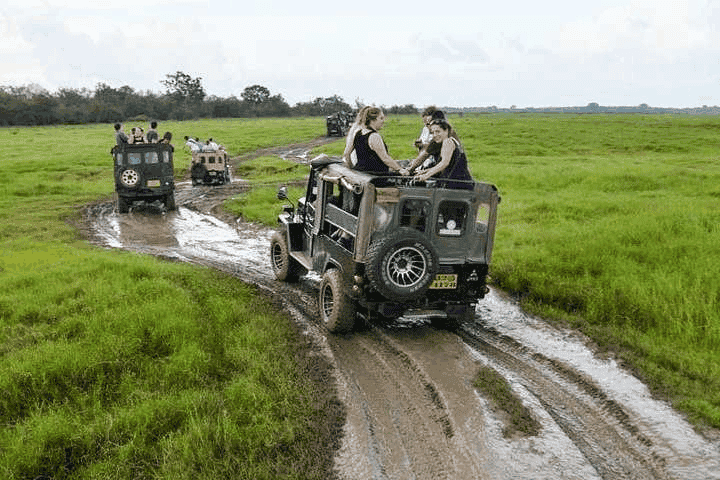
National parks like Yala, Wilpattu, and Udawalawe are sanctuaries for wild elephants, leopards, and sloth bears. A sustainable safari approach emphasizes lower vehicle speeds within park boundaries, strict observance of distance guidelines around wildlife, and supporting park entrance fees that fund conservation ranger patrols. Choosing safari providers committed to vehicle maintenance prevents oil leaks and excessive exhaust emissions in delicate jungle habitats.
4. Staying at Eco-Lodges and Solar-Powered Stays - Best for Clean Energy Support
Accommodations play a major role in your total travel emissions. Sri Lanka features an increasing number of eco-resorts powered by solar arrays, utilizing rainwater harvesting, and sourcing produce from organic on-site gardens. Choosing boutique properties that eliminate single-use plastics and implement natural ventilation systems significantly reduces air-conditioning electricity demands during warm coastal stays.
Comparing Carbon Reduction Methods in Sri Lanka TravelTo evaluate how different travel choices impact your total footprint, consider the trade-offs and benefits outlined in the table below:
Scenic Rail TravelCuts vehicle fuel useHigh ReductionScenic enthusiasts, couplesKandy to Ella, Colombo to GallePekoe Trail HikingZero-emission sightseeingMaximum ReductionHikers, active familiesNuwara Eliya, Hatton, EllaPrivate Hybrid TransportOptimized fuel mileageModerate ReductionFamilies, luxury travelersIsland-wide ground routesSolar-Powered Eco LodgesReduces grid electricity drawHigh ReductionWellness seekers, nature loversCultural Triangle, SigiriyaCommunity Tree PlantingBalances remaining emissionsLong-Term OffsetAll eco-conscious guestsCentral Highlands, SinharajaActionable Steps for Every Eco-Conscious TravelerImplementing eco-friendly principles during your trip requires simple, intentional adjustments before and during your journey. Follow these straightforward steps to keep your travel footprint light:
- Pack Light: Reducing luggage weight lowers fuel consumption for both long-haul flights and ground transfers across Sri Lanka.
- Carry Refillable Containers: Bring a durable stainless steel or glass water bottle to use with purified water stations provided in private vehicles and hotels.
- Select Efficient Routes: Work with local travel experts to build a logical, non-repetitive route that minimizes total driving distances between towns.
- Support Local Food Systems: Enjoy fresh tropical fruits, vegetable curries, and seafood sourced directly from nearby village markets rather than imported foods.
- Offset Remaining Flights: Contribute to verified carbon offset projects when booking your international flights into Colombo's Bandaranaike International Airport.
Practical Logistics and Free ETA RegulationsLocal tip: When exploring national parks or walking through rural tea villages, always carry your trash back to your vehicle or hotel. Local waste management in remote hill country areas is limited, so minimizing trash generation protects local wildlife and pristine watersheds.
Planning a low-impact journey also requires clear entry logistics. As of November 2026, passport holders from 40 countries can obtain a free 30-day tourist ETA (Electronic Travel Authorization), which grants double entry within the 30-day window. While the fee is waived for eligible nationalities, obtaining an approved ETA prior to departure remains mandatory for all international visitors. Always verify current entry rules on the official government ETA portal before completing your travel bookings.
Plan It with Zephyra TravelsNavigating Sri Lanka efficiently requires local ground expertise. Our experienced local drivers and English-speaking guides are trained to execute well-planned, smooth routes that minimize unnecessary transit time while ensuring maximum comfort. By pairing private vehicle convenience with scenic train segments and verified local conservation stops, we craft balanced itineraries tailored to your pacing and environmental priorities.
Ready to discover the island sustainably? Explore our handcrafted tailor-made Sri Lanka tour packages to start designing your custom, low-impact trip with our Colombo-based team today.