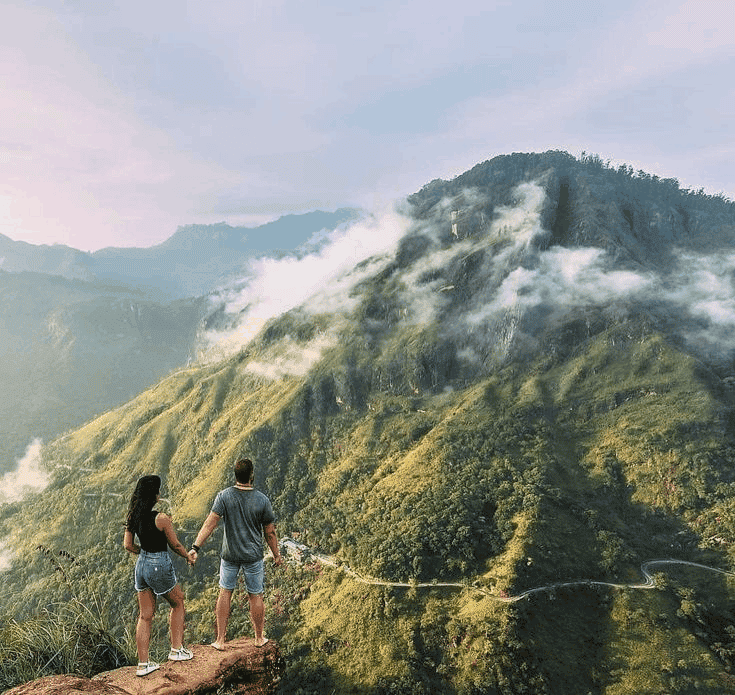
Explore the Pekoe Trail: Complete Guide to Sri Lanka's High Tea Country Routes
To explore the Pekoe Trail is to experience South Asia's most spectacular long-distance mountain walking trail, spanning 22 distinct stages across Sri Lanka's emerald central highlands. Starting near the sacred city of Kandy and winding past Hatton, Haputale, and Nuwara Eliya before descending into Ella, this contiguous trail opens up centuries-old tea plantation pathways, dramatic cliffline passes, and tranquil forest reserves.
As of November 2026, hiking the Pekoe Trail has become the gold standard for experiential travelers seeking immersion in Sri Lanka's high-country nature and tea heritage. Whether you set out to hike a single day segment or piece together multi-day treks between luxury tea bungalows, proper route planning ensures a rewarding journey through these breathtaking altitude landscapes.
At a Glance- Total Trail Distance: 22 interconnected stages covering over 300 kilometers of heritage footpaths.
- Key Hubs: Kandy, Hatton, Kotagala, Watagoda, Nuwara Eliya, Haputale, and Ella.
- Featured Core Segments: Stages 6, 7, 8, and 9 highlight the epic high-country tea estates around Castlereagh and Norwood.
- Trail Terrain: Historic estate worker paths, dirt tracks, gravel mountain roads, and decommissioned rail corridors.
- Best Way to Travel: Combined with private vehicle transfers and local expert trekking guides for seamless luggage transfers and estate access.
The Pekoe Trail represents Sri Lanka's first long-distance walking network, designed to link historic tea communities, mountain ridge lines, and biodiverse cloud forests. Spanning 22 distinct stages, the route takes trekkers through some of the finest mountain ecology in Southern Asia. The trail gets its name from high-grade Pekoe tea leaves, mirroring the very routes established in the 19th century to transport hand-picked tea from remote estate fields to central processing factories.
Walking these trails allows travelers to slow down and observe Sri Lanka's highland culture firsthand. Along the path, you will cross historic stone bridges, walk beside babbling mountain streams, and pass colourful Kovils nestled among rows of tea bushes. Because the full trail spans hundreds of kilometers, most travelers choose to highlight specific high-altitude segments during a 10-day or 14-day trip across the island.
Why Stages 6 to 9 Stand Out
While every section of the Pekoe Trail offers unique scenery, Stages 6 through 9 form the picturesque core of the Dickoya and Hatton tea districts. This region is famous for dramatic reservoir views, rolling green hills, and historic colonial-era planter residences such as Castlereagh, Summerville, Norwood, and Dunkeld. Accessing these specific stages allows hikers to experience mountain walking while returning to luxurious heritage bungalows each evening.
Stage-by-Stage Breakdown: Exploring Stages 6, 7, 8, and 9For hikers focusing on the premier tea-country sections, Stages 6 through 9 offer an ideal balance of gentle climbs, historical landmarks, and breathtaking lake vistas. Below is a detailed look at what to expect on each of these segments.
1. Stage 6: Watagoda to Kotagala
Stage 6 begins at the isolated Watagoda railway station, nestled high in the tea-draped hills. Leaving the station behind, the trail leads walkers along classic tea paths past high-altitude lakes and scenic worker settlements. A memorable early highlight is a massive ancient banyan tree where an idyllic stream runs beside the footway, offering a shady spot to rest.
As you continue through the Holyrood Tea Estate toward Kotagala, keep an eye out for unique estate markers, including a historic warehouse sign that playfully asks, "Did you hug a tree today?" This section typically requires 3.5 to 4.5 hours of steady walking over moderate gradient changes.
2. Stage 7: Kotagala to Norwood
Starting from Kotagala, Stage 7 descends gently through sweeping fields into the Norwood Valley. This trail segment offers vantage points overlooking the Castlereagh Reservoir, where deep blue waters contrast sharply with vivid green tea terraces. The route follows estate tracks used daily by tea pickers, weaving through quiet villages where children greet passing hikers with warm smiles.
Summerville and Castlereagh Bungalows serve as excellent nearby bases for this segment. Walking time averages roughly 4 hours, making it an accessible mid-distance trek suitable for most fitness levels.
3. Stage 8: Norwood to Maskeliya
Stage 8 increases in dramatic scenery as the route travels toward the shadow of the revered Sri Pada (Adam's Peak) mountain range. Departing Norwood, the trail tracks along mountain slopes with panoramic views across the Maskeliya Valley and its massive reservoir. You will cross working tea estates where traditional plucking techniques remain unchanged for generations.
This stage includes moderate ascents along well-worn planter roads. The trek typically takes 4 to 5 hours, ending near Maskeliya town, the traditional staging point for sacred peak pilgrimages.
4. Stage 9: Maskeliya to Bogawantalawa
Known as the journey into the "Golden Valley of Tea," Stage 9 connects Maskeliya with the serene Bogawantalawa Valley. This section is celebrated for producing some of the world's finest high-grown teas. The path climbs through lush estate sectors where mountain mist frequently rolls across the upper ridges during late afternoon hours.
Hiking Stage 9 typically takes 4.5 to 5.5 hours. Because of its remote valley finish, pre-arranging driver pickup at the end of the trek is essential for a smooth return to your resort or next destination.
Comparing Key Pekoe Trail SegmentsTo help you choose which sections of the trail best match your travel style and physical conditioning, review the regional comparison below:
Stages 1–5Kandy to Galaha / HattonForest tracks & estate roadsModerateHantana Mountain views, spice gardensStages 6–7Watagoda to NorwoodTea paths & lake trailsModerateHolyrood Estate, Castlereagh viewsStages 8–9Norwood to BogawantalawaRidge climbs & estate roadsModerate to ChallengingMaskeliya Lake, Adam's Peak vistasStages 10–15Talawakelle to HaputaleDecommissioned rail & cliffsChallengingSt. Clair falls, high cliff passesStages 16–22Haputale to Ella / Nuwara EliyaPine forest & mountain gapsModerateElla Gap, Nine Arches Bridge, cloud forestsEssential Trail Preparation, Gear, and Best SeasonsTrekking through Sri Lanka's central highlands requires preparation, as high-altitude weather can transition rapidly from bright sunshine to localized mountain rain. Planning around seasonal weather patterns ensures dry trail conditions and crisp morning views.
Recommended Gear List
- Ankle-Support Hiking Boots: Estate paths feature loose gravel, exposed tree roots, and slippery stone steps. Proper footwear prevents ankle strain.
- Breathable Layered Clothing: Morning temperatures in Hatton and Nuwara Eliya can be crisp, while midday walking brings warmth. Lightweight, quick-drying fabrics are essential.
- Leech Socks & Protection: During rain showers, leeches are common in shaded grass areas. Wearing leech socks over your trousers ensures stress-free walking.
- Sun Protection & Hydration: Highland UV exposure is strong. Carry a broad-brimmed hat, reef-safe sunscreen, and at least 2 liters of water per hiker.
- Offline Maps or Local Guide: Estate networks contain hundreds of branching footpaths used by pickers. Traveling with a local guide guarantees you stay on the correct Pekoe Trail route.
Local tip: Start your daily Pekoe Trail walks by 7:30 AM. Early morning starts give you cool walking temperatures, clear mountain views before afternoon clouds roll in, and the chance to observe tea pickers actively working the fields.
Best Time of Year to Trek
The optimal season to explore the Pekoe Trail in the western hill country (including Hatton, Castlereagh, and Nuwara Eliya) runs from December through April, when rainfall is lowest and days are sunny. The eastern sections around Ella and Haputale remain pleasant for walking through much of the year, though afternoon showers can occur during monsoon transition periods.
Navigating Trail Etiquette and Responsible HikingThe Pekoe Trail is not a closed national park; it is a living landscape home to vibrant tea estate communities. Practicing responsible tourism preserves trail access and supports local livelihoods.
- Respect Estate Workers: Pluckers work hard harvesting tea buds. Always yield the path, greet workers politely with a friendly "Ayubowan," and request permission before snapping close-up photographs.
- Pack Out All Waste: Highland ecosystems are delicate. Carry back all plastic bottles, snack wrappers, and organic waste to disposal points at your accommodation.
- Stick to Marked Trails: Cutting across planted tea rows damages mature bushes and contributes to soil erosion on steep slopes.
- Support Local Vendors: Buy fresh fruit, king coconut water, or small snacks from village shops along the trail route to directly benefit local families.
Navigating the Pekoe Trail is effortless when paired with our dedicated private driver-guides and local trekking experts. Rather than worrying about trail logistics, heavy luggage transport, or finding remote stage trailheads like Watagoda station, we handle every detail seamlessly. Our private vehicles drop you directly at your chosen stage starting point and wait at the trail finish with air-conditioned comfort, cold bottled water, and smooth transfers to your next boutique luxury bungalow or resort.
Ready to experience Sri Lanka's ultimate hill country trek? Discover our handcrafted private Sri Lanka tour packages and let our local travel experts design your custom Pekoe Trail adventure today.