Understanding Sri Lanka Regional Weather Patterns
Determining the best time to visit Sri Lanka: region by region requires understanding the island's unique dual-monsoon weather system, which ensures that somewhere on the island is always sunny and dry. As of November 2026, planning your itinerary around these regional shifts allows you to experience pristine beaches, wildlife safaris, and cool hill country retreats no matter the month you choose to travel.
Because Sri Lanka is a tropical destination influenced by two distinct monsoons, travelers can easily pivot between coasts depending on the season. Our local guides and drivers at Zephyra Travels always design routes that match the ideal weather windows for each specific province.
At a Glance- South and West Coasts: Best weather from December to April.
- East Coast: Ideal conditions from May to September.
- Cultural Triangle: Accessible year-round with drier spells from May to September.
- Hill Country: Cooler temperatures, misty mornings, and year-round greenery.
- Wildlife Parks: Yala and Wilpattu have distinct seasonal park closures and migration patterns.
The south and west coasts offer classic tropical beach holidays with golden sands, calm seas, and vibrant coastal towns. The prime window to explore destinations like Galle, Bentota, and Mirissa is from December to April, aligning with the peak winter travel season. During these months, sea conditions are generally calm, making it ideal for whale watching, snorkeling, and relaxing by the ocean.
Rain showers can occur during the transitional inter-monsoon months, but they are typically short afternoon tropical downpours rather than all-day washouts. Travelers seeking warmth and sunshine during European or North American winters will find this region to be the ultimate escape.
2. East Coast - Best for Summer Surf and SunWhen the southwest monsoon brings rain to the lower half of the island, the east coast shines with dry, sunny weather. From May to September, towns like Trincomalee, Nilaveli, and Arugam Bay become the focal points for beachgoers and surfers. The sea is tranquil and crystal clear, offering exceptional conditions for scuba diving and marine safaris.
Choosing the east coast during the northern summer ensures you experience Sri Lanka at its sunniest while avoiding the busier winter crowds in the south. Local expert drivers can seamlessly transition your itinerary across the central mountains to reach these coastal havens.
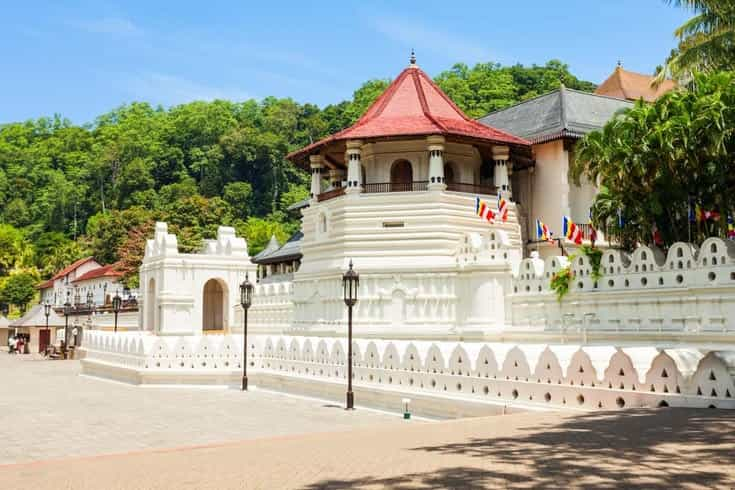
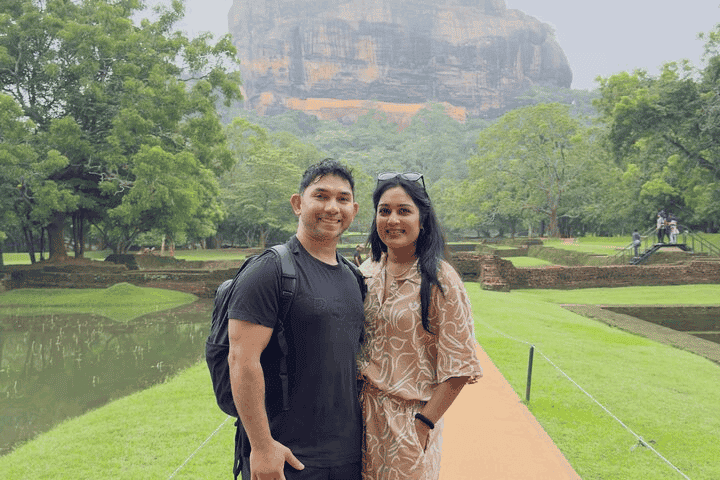
3. Cultural Triangle - Best for Heritage ExplorationThe Cultural Triangle encompassing Sigiriya, Anuradhapura, and Polonnaruwa is generally accessible throughout the year, though weather patterns vary slightly. The drier months from May to September offer lower humidity and less rainfall, making it comfortable for climbing rock fortresses and cycling through ancient ruins.
Even during the wetter northeast monsoon months from October to January, showers tend to be intermittent and rarely disrupt a well-paced sightseeing schedule.
Local tip: Early morning visits to cultural sites help you beat both the midday heat and afternoon rain showers.4. Hill Country and Central Highlands - Best for Scenic Views and Tea Trails
Kandy, Nuwara Eliya, and Ella sit at higher elevations, providing a refreshing respite from coastal heat with temperatures often hovering around a pleasant 15 to 20 degrees Celsius. While the hill country experiences mist and rain throughout various parts of the year, the months from January to April are generally drier and sunnier.
January and February bring crisp mountain air and clear blue skies, making them ideal for hiking Adam's Peak or riding the world-famous scenic railways. Always pack a warm layer for evenings in Nuwara Eliya, as temperatures can drop significantly after sunset.
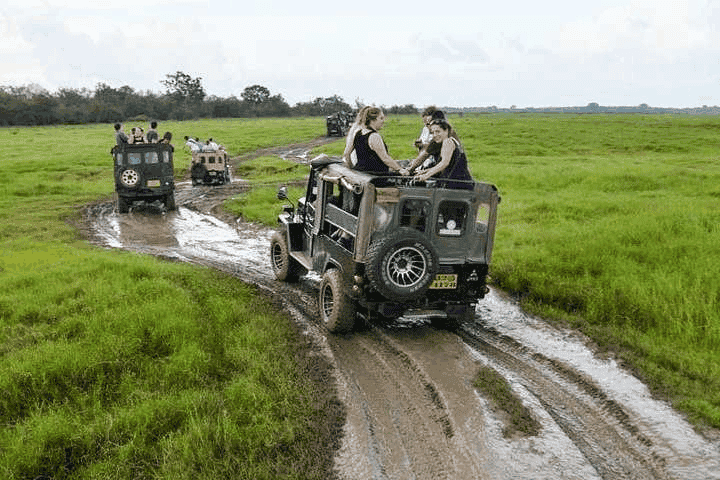
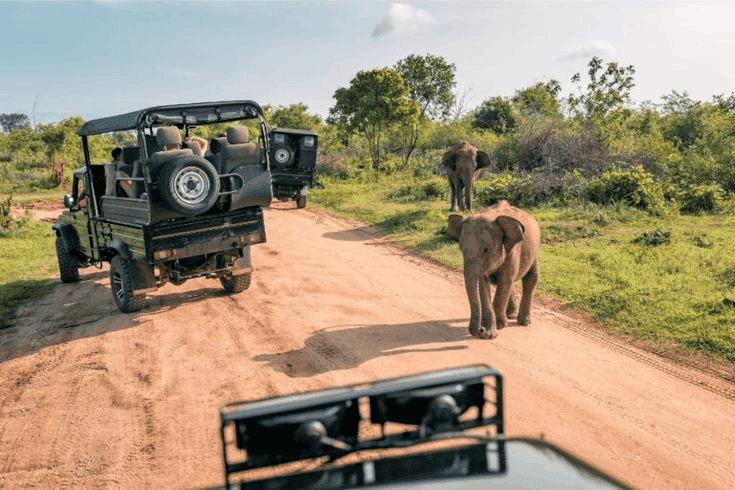
5. Wildlife Parks - Best Seasons for SafarisYala National ParkFebruary to JulyHigh leopard density, elephantsWilpattu National ParkMay to SeptemberLakes, leopards, sloth bearsUdawalawe National ParkYear-roundWild elephants guaranteedMirissa OceanNovember to AprilBlue whales and dolphinsYala National Park experiences a seasonal partial closure, usually in September or October, for dry-season maintenance and water management. Planning your wildlife safari during the open months ensures optimal animal sightings around receding waterholes.
Plan It with Zephyra TravelsNavigating Sri Lanka's microclimates becomes effortless when you travel with an experienced local partner who understands seasonal shifts. Our private, flexible tours are tailored around your travel dates, ensuring your driver-guide takes you to the sunniest regions and most rewarding sights. We handle all logistics so you can simply enjoy the journey.
Ready to design your ideal island getaway? Explore our curated private itineraries at https://www.zephyratravels.com/packages and let our local experts craft your perfect holiday.