A Complete Guide to Sri Lanka Weather, Seasons, and Regional Timing
The best time of the year to visit Sri Lanka overall is from December to April, when the south coast, west coast, and central hill country experience sunny skies and low rainfall. However, because Sri Lanka is subject to two distinct monsoon seasons that affect opposite sides of the island, there is virtually no bad time to visit if you structure your travel route correctly.
At a Glance- Peak Winter Season (December to April): Ideal for Galle, Bentota, Mirissa, Kandy, Ella, and Sigiriya, offering dry beach weather and clear mountain views.
- East Coast Peak (May to September): Perfect for Trincomalee, Pasikudah, and Arugam Bay with calm seas, dry weather, and world-class surfing.
- Wildlife Safaris: Leopard sightings in Yala and Wilpattu peak during dry spells from February to July, while Minneriya elephant gatherings peak between August and October.
- Whale Watching Seasons: Mirissa on the south coast operates from November to April, whereas Trincomalee on the east coast peaks from May to September.
- Year-Round Flexibility: By choosing private transfers and tailored itineraries, travelers can adjust their routes seamlessly based on seasonal weather shifts.
Understanding Sri Lanka's weather requires knowing how its two main monsoons operate across the central highlands and coastal plains. Unlike countries with a single rainy season, Sri Lanka's geographic features create regional microclimates that allow year-round tropical travel.
1. The Yala Monsoon (South-West)
The Yala monsoon brings rainfall to the southwestern half of Sri Lanka, including Colombo, Galle, Bentota, and the western slopes of the hill country. This wet period typically runs from May to September. During these months, seas along the south and west coasts can be rough with strong currents, making swimming less suitable. However, this is the dry season for the east coast and northern regions.
2. The Maha Monsoon (North-East)
The Maha monsoon affects the northeastern side of the island between October and February, with heavy rains often falling in November and December. Areas impacted include Trincomalee, Batticaloa, Pasikudah, Jaffna, and parts of the Cultural Triangle. Meanwhile, during the winter months of December through April, the south and west coasts enjoy warm sunshine and quiet waters.
3. Inter-Monsoon Transitions
Two inter-monsoon periods occur annually: March to April and October to November. During these months, thunder showers can occur anywhere across the island, usually in the late afternoon or evening. Morning hours are generally clear, making morning sightseeing and city tours highly productive.
Best Time of the Year to Visit Sri Lanka by RegionTo choose the right travel dates, match your preferred activities with the specific climatic zones of the island.
South and West Coasts (Bentota, Galle, Tangalle, Mirissa)
The optimal travel window for the south and west coasts runs from December to April. Sea conditions are calm, turquoise waters invite swimming and snorkeling, and coastal towns enjoy dry, balmy days. Beach lovers heading to Mirissa or Unawatuna will find excellent ocean conditions during these months.
East Coast (Trincomalee, Pasikudah, Arugam Bay)
The east coast thrives when the south coast receives rain. From May to September, beaches such as Pasikudah offer crystal-clear, shallow waters ideal for families and diving enthusiasts. Arugam Bay hosts its global surfing season during these exact summer months, attracting wave riders from around the world.
Cultural Triangle (Sigiriya, Dambulla, Anuradhapura, Polonnaruwa)
The ancient cities in the north-central plains remain relatively dry for most of the year. The best viewing conditions occur from January to September. Morning climbs up Sigiriya Rock Fortress are ideal before the midday sun heat sets in, regardless of month.
Central Hill Country (Kandy, Nuwara Eliya, Ella)
Sri Lanka's hill country sits at elevated altitudes ranging from 500 to 2,000 meters above sea level. Temperatures are cool and refreshing. The dry window spans from January to April, providing clear mountain vistas and comfortable hiking conditions along trails like Little Adam's Peak and the Pekoe Trail stages.
Top Travel Experiences and Their Optimal SeasonsPlanning around specific interests ensures you experience Sri Lanka's top highlights under ideal environmental conditions.
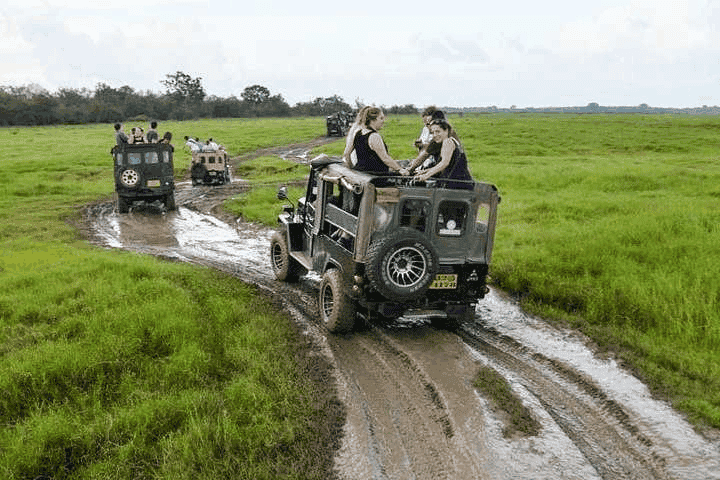
- Leopard and Wildlife Safaris: Yala National Park and Wilpattu National Park offer optimal game viewing during dry months from February to July when animals gather around remaining waterholes.
- Scenic Hill Country Train Journeys: Taking the iconic Kandy to Ella train ride yields clear tea plantation views from January to April.
- Whale and Dolphin Watching: Blue whale excursions off Mirissa operate at peak safety from December to April, while east coast whale tours run from May to September out of Trincomalee.
- Surfing Adventures: Hikkaduwa on the southwest coast breaks best from November to April, while Arugam Bay on the east coast delivers legendary point breaks from May to September.
High-Altitude Trekking in Ella and Horton Plains
Trekking across World's End in Horton Plains National Park requires early morning starts. Clear skies are most frequent from January to March, offering uninterrupted views down to the southern coastal plains.
Beach Relaxation and Water Sports
For golden beaches and watersports like jet skiing or banana boat rides, select the southwest coast between December and April, or switch to the east coast from May to September for snorkeling at Pigeon Island.
Local tip: If your travel dates fall in May or June, do not cancel your Sri Lanka trip. Simply shift your itinerary to the east coast around Pasikudah or Trincomalee where calm seas and dry sunny skies prevail while the southwest receives seasonal rainfall.Seasonal Comparison Matrix for Sri Lanka Travel
Use this decision table to quickly compare regions, weather patterns, and ocean conditions across the year.
South Coast (Galle, Mirissa)Dec to AprDry & SunnyWhale Watching & BeachesCalm & Swimming FriendlyWest Coast (Bentota, Negombo)Dec to AprWarm & DryWater Sports & SunbathingClear & Safe WatersEast Coast (Trincomalee and Pasikudah)May to SepDry & WarmSnorkeling & SurfingVery Calm & ShallowCultural Triangle (Sigiriya)Jan to SepLow RainfallAncient Ruins & SafarisInland Reservoirs FullHill Country (Kandy, Ella)Jan to AprCool & ClearTea Tours & Scenic TrainsMountain Mist MorningsMonth-by-Month Overview for Planning Your TourHere is how the calendar breaks down for travelers seeking to match dates with destinations across Sri Lanka.
January to March (Peak Winter Season)
These months offer exceptionally dry weather across the south, west, Cultural Triangle, and hill country. European and North American travelers favor this window to escape winter weather. Coastal resorts are busy, wildlife viewing in Yala is strong, and mountain air in Nuwara Eliya is crisp and clear.
April (Shoulder Season & Cultural New Year)
April is one of the warmest months island-wide. It brings the Sinhala and Tamil New Year celebrations in mid-April. Travel conditions remain good, though temperatures in central plains can reach higher afternoon levels.
May to June (South-West Monsoon Start)
Rainfall increases in the southwest. However, August and September on the east coast offer magnificent dry weather. May to June is a cost-effective window for travelers exploring Trincomalee and the Cultural Triangle.
July to September (East Coast Peak & Cultural Events)
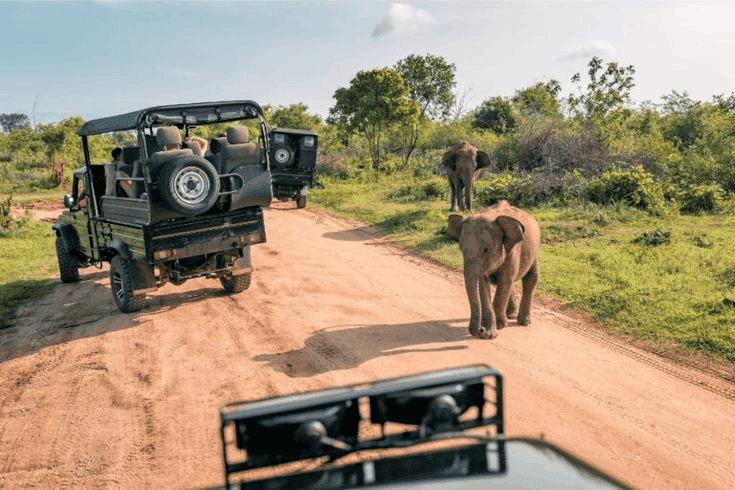
The east coast is at its absolute prime. In August, Kandy hosts the historic Kandy Esala Perahera festival, featuring grand processions with traditional dancers and decorated elephants. Wildlife enthusiasts can witness the famous Elephant Gathering in Minneriya National Park during these dry late-summer months.
October to November (Second Inter-Monsoon)
October and November bring variable rainfall as weather systems shift. Traveling during these shoulder months offers lower accommodation prices and fewer crowds at major archaeological sites. Flexible itineraries with private driver-guides make navigating regional weather shifts straightforward.
Practical Entry and Logistics ContextPlanning travel to Sri Lanka has become more convenient. As of November 2026, nationals of 40 eligible countries can obtain a free 30-day tourist ETA visa offering double entry within the 30-day period. The ETA remains mandatory and must be approved online before departure. Travelers should always check the official ETA portal to verify current rules for their specific nationality before booking flights.
Flight connectivity continues to expand. British Airways resumed its London Gatwick to Colombo route in late October 2026, operating three flights per week during the winter season. Flight schedules through major international hubs can change due to global airspace developments, so travelers should confirm flight status directly with their chosen airline.
Plan It with Zephyra TravelsNavigating Sri Lanka's microclimates is effortless when traveling with an experienced local tour operator. Zephyra Travels, part of Zephyra Group, provides dedicated local knowledge, private luxury transport, and handpicked driver-guides who know how to adjust daily routes based on localized weather patterns.
Whether you want to climb Sigiriya in clear morning sunshine, spot leopards in Yala, or relax on sun-drenched beaches, our team tailors every detail to ensure you travel in the right region at the optimal time. Browse our flexible Sri Lanka tour packages and private itineraries to start planning your perfect tropical getaway.