Understanding Sri Lanka Climate Patterns and Peak Seasons
The best season to visit Sri Lanka runs from December through April for the south coast, west coast, and central hill country, while the east coast enjoys peak sunny weather from May through September. Because Sri Lanka experiences two distinct regional monsoon cycles, sunny dry weather and ideal sea conditions are available somewhere on the island every month of the year.
Planning a trip to Sri Lanka requires understanding how these dual weather systems interact across the island's varied topography. Whether you are seeking golden palm-fringed beaches, ancient ruins, wildlife safaris, or lush tea plantations, timing your route to match regional climate cycles guarantees an unforgettable tropical journey.
At a Glance- Peak South & West Coast Season: December to April offers dry skies, calm seas, and optimal beach conditions in Bentota, Galle, Unawatuna, and Mirissa.
- Peak East Coast Season: May to September delivers clear sunshine, warm ocean waters, and excellent surfing in Trincomalee, Pasikuda, and Arugam Bay.
- Cultural Triangle Climate: Dry and hot conditions prevail from January to September across Sigiriya, Dambulla, and Anuradhapura.
- Hill Country Weather: Cooler high-altitude destinations like Nuwara Eliya and Ella are driest and clearest between January and April.
- Wildlife Viewing Seasons: Yala and Wilpattu safaris excel during dry weather from February to July, while Minneriya's famous Elephant Gathering peaks from July to October.
Sri Lanka weather is shaped by two major monsoons that affect opposite regions of the island at contrasting times of the year. The southwest monsoon, locally called Yala, brings rain to the south coast, west coast, and central highlands between May and September. Conversely, the northeast monsoon, known as Maha, brings moisture to the north and east coasts from October through February.
The Southwest Monsoon (Yala)
The southwest monsoon delivers moisture-laden air from the Indian Ocean to the southwestern quarter of Sri Lanka between May and September. Rainfall during this period typically comes in short, heavy afternoon tropical downpours rather than non-stop overcast weather. While southern and western ocean waters become rough with strong currents, the east coast remains entirely sunny, dry, and ideal for beach relaxation during these same months.
The Northeast Monsoon (Maha)
The northeast monsoon blows across the Bay of Bengal between October and February, bringing rainfall to northern, eastern, and northeastern regions. Coastal areas like Trincomalee, Batticaloa, and Jaffna receive the bulk of their annual rain during this period. Meanwhile, the southwest quarter—including Colombo, Galle, Bentota, and Mirissa—enjoys warm, dry, and sun-drenched weather ideal for coastal tourism.
2. Coastal Weather: West & South vs. East CoastChoosing the best season to visit Sri Lanka coastal resorts depends entirely on which coast you plan to explore. As of November 2026, air connectivity remains strong into Colombo, allowing straightforward access to both coastal zones via modern expressways and scenic highways. Understanding coastal seasonality prevents booking beach stays during local monsoon swells.
South and West Coasts (December to April)
The southwestern coastline features world-famous beach towns, historic fortresses, and vibrant ocean communities. Between December and April, sea conditions are calm, turquoise waters are clear, and daily temperatures average around 28°C to 31°C. Swimming, snorkeling, scuba diving, and boat tours operate smoothly across places like Negombo, Bentota, Hikkaduwa, Galle, and Tangalle.
East Coast (May to September)
When monsoon rains reach the southern beaches in May, Sri Lanka's east coast transforms into a dry, tropical haven. Beaches such as Uppuveli and Nilaveli in Trincomalee feature glassy ocean conditions perfect for swimming and whale watching. Further south along the east coast, Arugam Bay becomes a top international surfing hub with consistent ocean swells from June through August.
South CoastDec – AprSunny, warm, calm seasGalle Fort, Mirissa, UnawatunaWhale watching, diving, beach luxuryWest CoastDec – AprTropical, clear skiesBentota, Negombo, KalutaraWater sports, lagoon cruises, beach resortsEast CoastMay – SepDry, sunny, clear watersTrincomalee, Pasikuda, Arugam BaySurfing, pigeon island snorkeling, calm swimmingCultural TriangleJan – SepWarm, low rainfallSigiriya, Dambulla, PolonnaruwaAncient ruins, rock climbing, temple toursHill CountryJan – AprCool, dry morningsElla, Nuwara Eliya, HattonScenic train rides, tea plantation hikes3. Climate Guide for the Cultural Triangle and Hill CountrySri Lanka's inland regions feature diverse microclimates due to dramatically varying elevations. Traveling from the low-lying central plains of Sigiriya up into the mist-veiled peaks of Nuwara Eliya exposes visitors to distinct changes in temperature and rainfall patterns.
The Cultural Triangle (January to September)
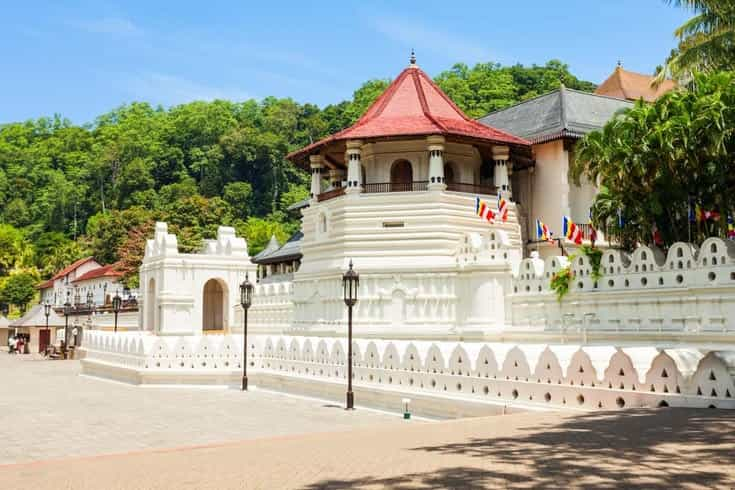
The Cultural Triangle encompasses Sri Lanka's ancient heritage capitals, including Sigiriya Rock Fortress, Dambulla Cave Temple, Polonnaruwa, and Anuradhapura. Located in the dry zone, this region experiences warm temperatures averaging 30°C to 34°C and stays dry for most of the year. Early morning or late afternoon exploration is recommended to avoid mid-day heat while climbing iconic stone fortresses and exploring open-air ruin complexes.
Central Hill Country (January to April)
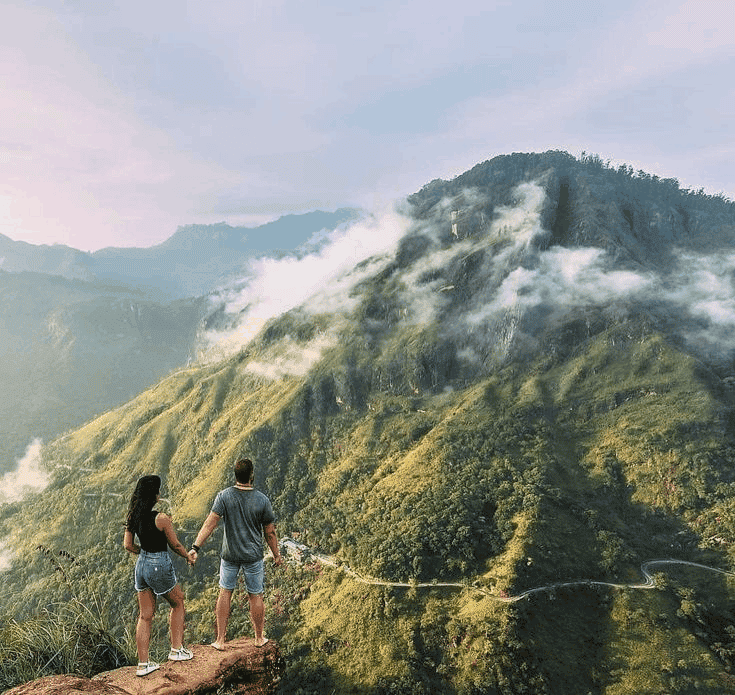
Rising above 1,800 meters elevation, high-altitude towns such as Nuwara Eliya, Hatton, and Ella provide a crisp mountain climate far cooler than the coastal plains. Daytime temperatures typically range between 15°C and 22°C, while cool evening breezes lower temperatures to around 10°C. The dry window from January through April offers crisp, clear skies with panoramic mountain vistas along scenic hiking routes and world-renowned tea estate train journeys.
4. Best Season for Wildlife Safaris and Marine LifeSri Lanka is recognized as one of Asia's top wildlife watching destinations, holding dense populations of Asian elephants, elusive leopards, sloth bears, and blue whales. National park seasonality depends closely on rainfall and regional water availability.
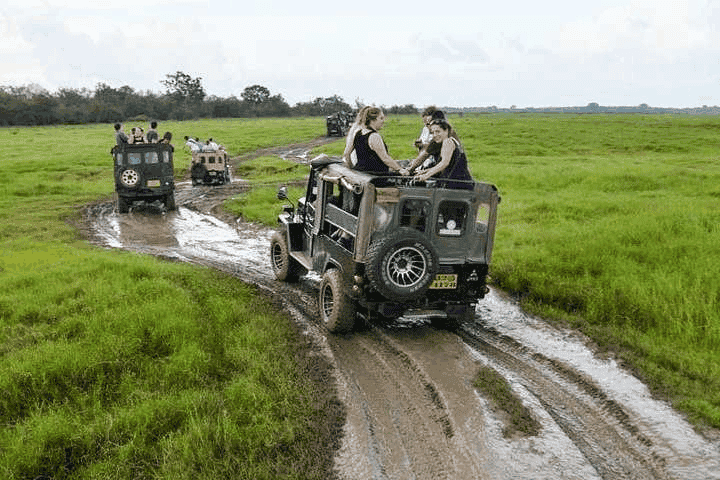
- Yala and Wilpattu Safaris (February to July): As forest water holes dry up during these months, leopards and large mammal herds gather around remaining lakes and main park reservoirs, yielding maximum safari visibility.
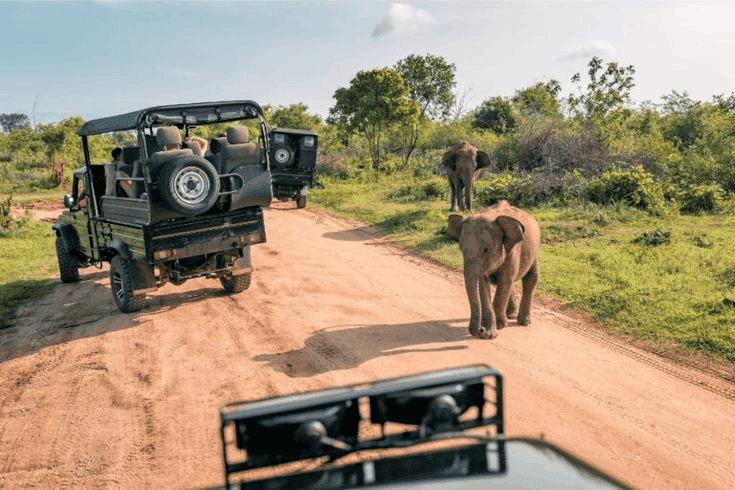
- The Minneriya Elephant Gathering (July to October): During the dry summer season in the North Central Province, hundreds of wild Asian elephants congregate around the banks of ancient Minneriya and Kaudulla reservoirs, creating one of the natural world's greatest wildlife spectacles.
- Whale Watching in Mirissa (November to April): Deep water ocean currents off southern Sri Lanka attract blue whales, sperm whales, and large dolphin pods close to shore during calm winter sea conditions.
- Whale Watching in Trincomalee (May to October): As marine conditions shift during the summer, blue whales and sperm whales migrate along deep sea trenches off Trincomalee on the eastern coast.
Understanding monthly climate transitions helps you choose the perfect timing for custom island itineraries across all seasons.
High Season (December to March)
December to March brings maximum sunshine to southern and western coastlines, combined with dry weather in the hill country. It represents the busiest winter getaway season for international visitors seeking sunshine, cultural sightseeing, and tropical relaxation.
Shoulder Seasons (April and September)
April and September serve as excellent transitional months. April brings warm sunshine island-wide alongside Sinhala and Tamil New Year cultural festivities. September offers quiet national parks, pleasant shoulder weather, reduced hotel rates, and favorable sightseeing conditions before the inter-monsoonal rains shift.
Green Season (May to June and October to November)
The green monsoon months bring refreshing tropical rainfall that creates vibrant emerald landscapes and cascading waterfalls across countryside valleys. Travel during these months offers outstanding value, quiet heritage sites, and intimate boutique resort experiences.
Local tip: Sri Lanka does not experience an all-island monsoon that stops travel. When choosing your travel dates, build your itinerary around regional weather zones so you are always in the sunniest area of the island.Plan It with Zephyra Travels
Navigating Sri Lanka regional monsoons and local climate variations is effortless when traveling with dedicated local experts. At Zephyra Travels, our local guides and drivers craft tailored routes designed to keep you in sunny, beautiful weather regardless of what month you visit. From luxury private vehicles and seamless airport pickups to curated heritage and wildlife tours, we take care of every detail so you can travel with complete peace of mind.
Ready to plan your ideal island itinerary? Explore our full collection of flexible, private tailor-made Sri Lanka tour packages and begin customizing your dream tropical journey today.